1. First of all: if someone's life is in danger
If you, or someone near you, are in immediate danger — a suicide attempt in progress, physical violence, serious injury — call 911 right now. It's free, works from any phone even with no plan, and has no connection to your immigration status. Don't hesitate out of fear of bothering anyone or of consequences: that's exactly what the number is for. The listening lines below are for distress, support and prevention; 911 is for a life-threatening emergency. When in doubt, call.
2. Suicidal thoughts: 988 and 1 866 APPELLE
If you're thinking about suicide, or worried about someone, two free and confidential services, day and night.
- 988 — Canada's suicide crisis helpline: call or text 988, in French or English, anywhere in Canada.
- 1 866 277-3553 (1 866 APPELLE) — connects you to a worker trained in suicide prevention, for anyone in Quebec, any age.
- Prefer writing to talking? suicide.ca offers chat and a text service at 535353.
These workers don't judge and don't report to anyone; their only goal is to help you get through the present moment.
4. Domestic or family violence
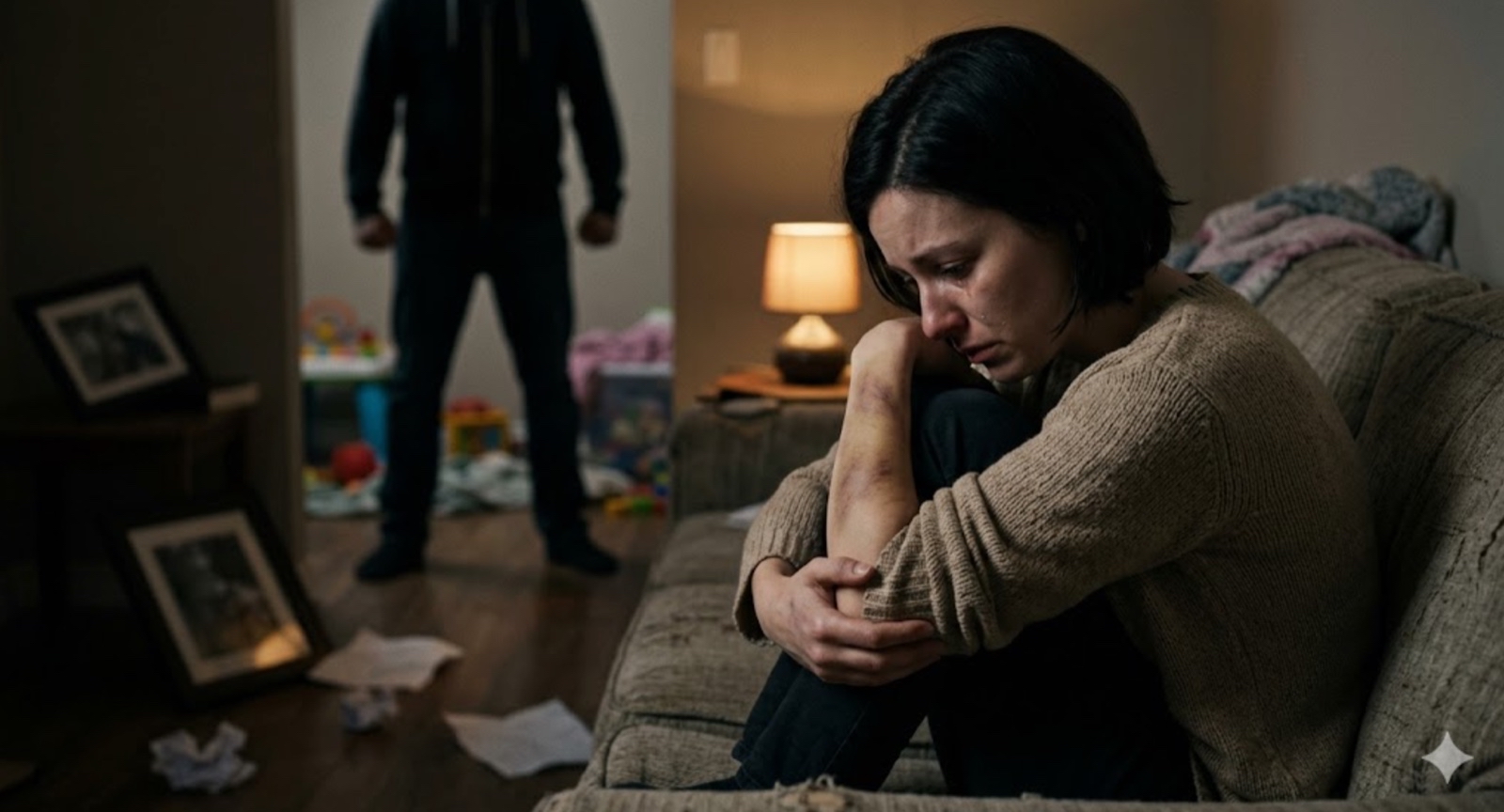
If someone is hurting you — your partner, a family member, someone you live with — call SOS violence conjugale at 1 800 363-9010. The service is free, confidential, anonymous and bilingual, 24/7. Workers can listen, assess your safety, and even call a shelter for you to secure a protected spot. In Montreal the local number is 514 873-9010.
If you're in immediate danger, call 911 first. To understand your options, the barriers specific to immigrants, and how to get to safety, see our domestic-violence guide.
5. For young people and parents
Young people have their own lines, built for them.
- Tel-jeunes — 1 800 263-2266 — for ages 12 to 17 and their parents: call, or text 514 600-1002, or chat.
- Jeunesse, J'écoute (Kids Help Phone) — 1 800 668-6868 — support across Canada by phone, text and chat, in French and English.
These services are free and confidential, and cover everything from school stress and bullying to deeper distress. Parents worried about a child can also call Tel-jeunes for advice.
6. Lines for specific communities
Some lines address particular realities.
- Interligne — 1 888 505-1010 — the listening line for LGBTQ+ people and their loved ones, free and confidential.
- For distress tied to grief, illness or being a caregiver, 811 Info-Social points you to the right regional services.
- For any other situation — senior isolation, addiction, gambling, bereavement — 211 knows the specialized organizations in your region and can direct you.
No situation is too specific: there is almost always a resource.
7. Quick reference table
Here are all the lines together. Save the ones relevant to you in your phone right now: hunting for a number mid-crisis is the last thing you want to do.
| Line | Number | For whom / what |
|---|---|---|
| Emergency | 911 | Immediate danger, everywhere |
| Info-Social | 811 (option 2) | Distress, anxiety, psychosocial crisis |
| 9-8-8 | 988 (call or text) | Suicidal thoughts, bilingual, Canada |
| Suicide prevention (Quebec) | 1 866 277-3553 | Suicide, any age; text 535353 |
| SOS violence conjugale | 1 800 363-9010 | Domestic violence, bilingual |
| Tel-jeunes | 1 800 263-2266 | Ages 12-17 and parents; text 514 600-1002 |
| Jeunesse, J'écoute | 1 800 668-6868 | Youth, Canada, bilingual |
| Interligne | 1 888 505-1010 | LGBTQ+ community |
| Revivre | 1 866 738-4873 | Anxiety, depression, bipolarity (Mon-Fri) |
| 211 | 211 | Referral to any other service |
If you're supporting someone in distress, you can call these lines for yourself too: workers advise loved ones on what to say and how to help without burning out. You don't have to be the person in crisis to have the right to call.
Frequently asked questions
Here are the most common questions about listening and crisis lines: whether they're free and confidential, and what to do in an immediate emergency.
Are these lines free and confidential?
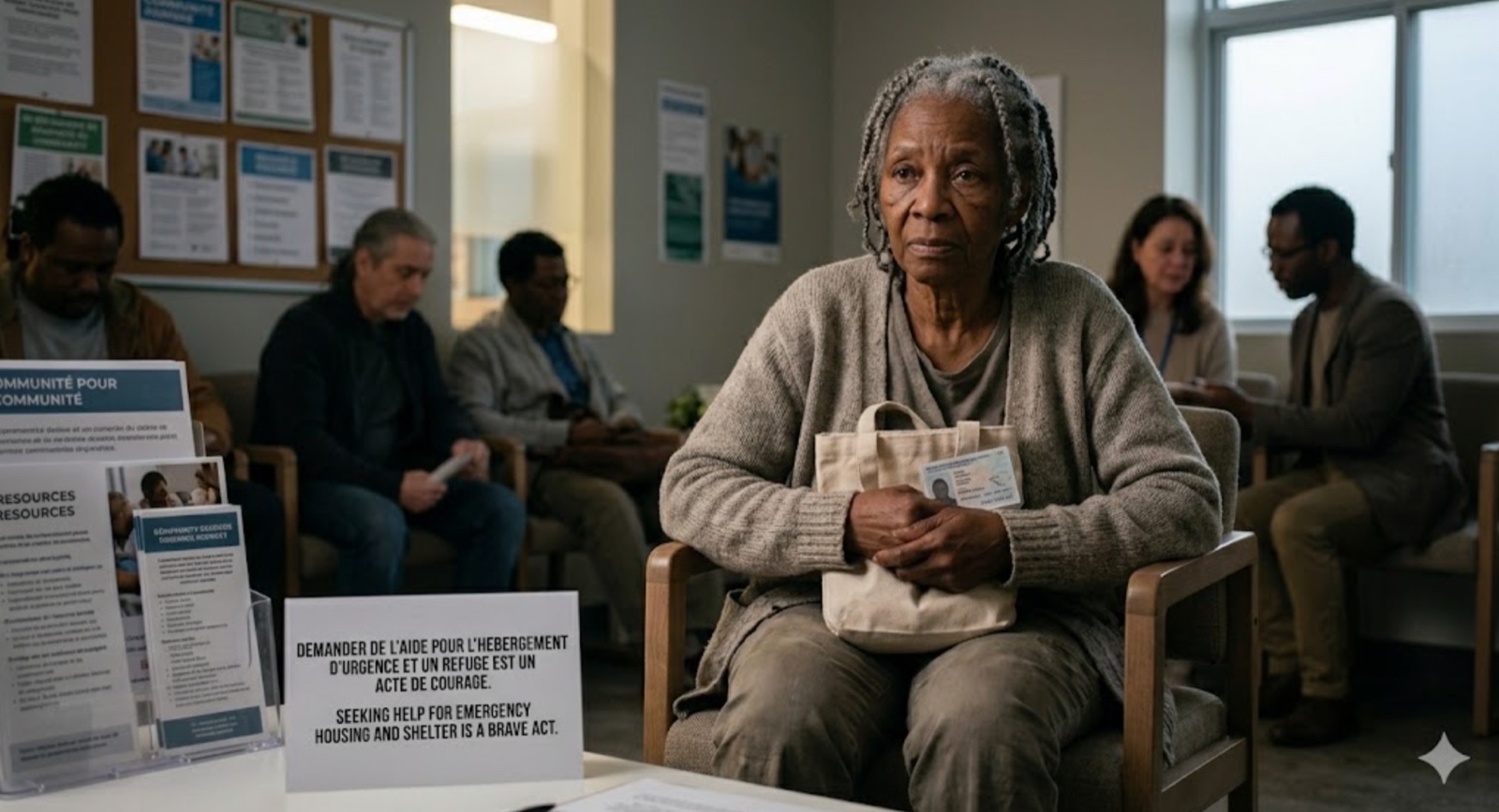
Yes — listening and crisis lines are free and confidential. You can call anonymously, in many cases in French or English, and often around the clock. You don't need insurance or any particular immigration status to use them — they're there for everyone.
What should I do in an immediate emergency?
If a life is in immediate danger — imminent suicide risk, violence in progress, serious injury — call 911 without waiting. For psychological distress or suicidal thoughts, 9-8-8 (suicide-prevention helpline) is reachable by phone or text. These services exist for exactly this: it is never 'an overreaction' to call.
See also
These related guides may be useful:
- Mental health for newcomers — free services to feel better over time.
- Domestic violence: getting help — getting to safety, without risk to your status.
- Emergency help in Quebec — what to do when everything collapses.
- Mental Health in Quebec: Resources and Where to Find Help — longer-term resources to turn to once the immediate crisis has passed.
Official sources
For official, up-to-date information:
- 9-8-8 Suicide Crisis Helpline — 988.ca · suicide.ca — suicide.ca
- Québec.ca — mental health, finding help — quebec.ca
- SOS violence conjugale — sosviolenceconjugale.ca
- Tel-jeunes — teljeunes.com · Kids Help Phone — kidshelpphone.ca
Numbers and hours are current as of the publication date; when in doubt, 211 confirms the right resource.
Author's note: keeping these numbers is like keeping a fire extinguisher — you hope never to use it, but you sleep better knowing it's there. Take the minute, now, to save at least 988 and 811 in your phone. And remember: calling is never weakness. It's the bravest thing there is.