Cost of Living
Prices, budgeting, and financial aid to help manage everyday life in Quebec.
Cost of Living · October 21, 2026Employment Insurance measures extended into 2027No waiting week, severance that doesn't delay benefits, and a new rule on why you left: EI's temporary measures now run until October 9, 2027. Cost of Living · October 21, 2026Rénoclimat: new grants to flood-proof your homeSince October 1, Rénoclimat also pays for backwater valves and sump pumps, and the pre-work energy evaluation is no longer required.Cost of Living · October 21, 2026Welcome tax refund: you can get it in advanceFirst home bought in 2026? Quebec refunds up to $5,875 of the welcome tax, and you can ask to be paid before December 1.
 Cost of Living · October 8, 2026Old Age Security Rises 1.4% for October–DecemberThe federal government raised Old Age Security by 1.4% for October to December 2026. The new maximum amounts, and what newcomers should know.
 Cost of Living · October 8, 2026Gas: the federal tax stays suspended into 2027The 10-cent-a-litre federal excise tax stays at zero until January 31, 2027, then returns in steps. The timeline and what it means.
 Cost of Living · September 20, 2026Heat Pump: Up to $120 per 1,000 BTU/h BackHydro-Québec's LogisVert program refunds part of a heat pump's cost — not just for low-income households, for any homeowner.
 Cost of Living · September 6, 2026Shelter Allowance: the new period opens October 1, up to $170 a monthA Revenu Québec benefit for households whose housing eats at least 30% of their income. Nobody sends it to you automatically — you have to apply.
 Cost of Living · Updated October 21, 2026Employment Insurance: temporary measures to get paid fasterLost your job? Three temporary measures make Employment Insurance easier to get: no waiting week, severance no longer delays benefits, and extra weeks for some.
 Cost of Living · Updated September 9, 2026Federal tax cut: the first bracket drops to 14%, up to $420 less per personSince 2026, the federal tax rate on the first income bracket is 14% instead of 15%. Automatic: up to $420 per person, $840 per two-income couple.
 Cost of Living · Updated September 9, 2026FHSA: save tax-free for a first home (newcomers too)The FHSA combines an RRSP's and a TFSA's perks: up to $8,000 a year, tax-deductible, tax-free withdrawals for a first home. All you need is a SIN.
 Cost of Living · Updated September 9, 2026Work Premium: the refundable credit for low-income workers in QuebecModest income in Quebec? Two refundable credits can add to your tax refund: the Work Premium (Quebec) and the Canada Workers Benefit (federal).
 Cost of Living · August 25, 2026QPP: contribution rates drop in 2026Smaller deductions on your pay, same benefits — the new Quebec Pension Plan numbers.
 Cost of Living · Updated September 9, 2026Winter electricity bill: free help and equalized paymentsQuebec offers modest-income households free energy-efficiency work, but the 2026-2027 spots are taken. Until then, Hydro-Québec's equalized payments plan.
 Cost of Living · Updated September 9, 2026Red Seal bonus: it will now be taxable in QuebecOn August 12, Quebec harmonized its tax system with federal measures: the Red Seal Success Bonus will be included in income and subject to source withholding.
 Cost of Living · Updated September 9, 2026Vehicle Registration: $50 Less from September 1, 2026The Quebec government cuts vehicle registration fees by $50 for 12 months, starting September 1, 2026.
 Cost of Living · Updated September 9, 2026Canada Child Benefit 2026-2027: up to $8,157 per childThe federal payment to families rises with the July 20, 2026 deposit. Here are the new maximums — and the one thing you must not forget to keep receiving it.
 Cost of Living · Updated September 9, 2026RAMQ Drug Plan: Maximum Premium Now $789 for 2026-2027As of July 1, 2026, the public drug plan's rates have changed. What someone covered by RAMQ pays, explained simply.
 Cost of Living · July 22, 2026Quebec income tax 2026: the 2.05% indexation that lightens your paychequeTax brackets and the basic personal amount rise 2.05% in 2026 — $863M of relief for taxpayers. Here's what it changes in practice.
 Cost of Living · Updated September 9, 2026Groceries 2026: Nearly $1,000 More per FamilyFood prices are set to rise 4–6% in 2026, with Quebec above the national average. What that means when you build your first grocery budget.
 Cost of Living · Updated September 9, 2026QPP 2026: Earnings Ceiling Rises to $74,600The Quebec Pension Plan earnings ceiling rises to $74,600 in 2026, with a maximum contribution of $4,479.30. A breakdown for new workers.
 Cost of Living · July 19, 2026Family Allowance 2026: up to $3,068 per childQuebec's Family Allowance rises 2.05% in 2026. Here's what families with children get — and why you usually don't have to apply.
 Cost of Living · Updated September 9, 2026Employment Insurance 2026: What Comes Off Your PayA rate of $1.30 per $100, a maximum insurable earnings of $68,900 and a maximum benefit of $729 a week: the 2026 numbers for Quebec workers.
 Cost of Living · Updated September 9, 2026QPIP 2026: Your Premium Drops, Here's WhyThe parental-insurance premium taken off your paycheque drops in 2026, while the covered income rises to $103,000.
 Cost of Living · Updated September 9, 2026The GST credit has a new name — and a new amount: +25% with the groceries benefitThe CGEB replaces the GST/HST credit as of July 2026. Same rules, payments boosted 25% — and one exception aimed squarely at newcomers.
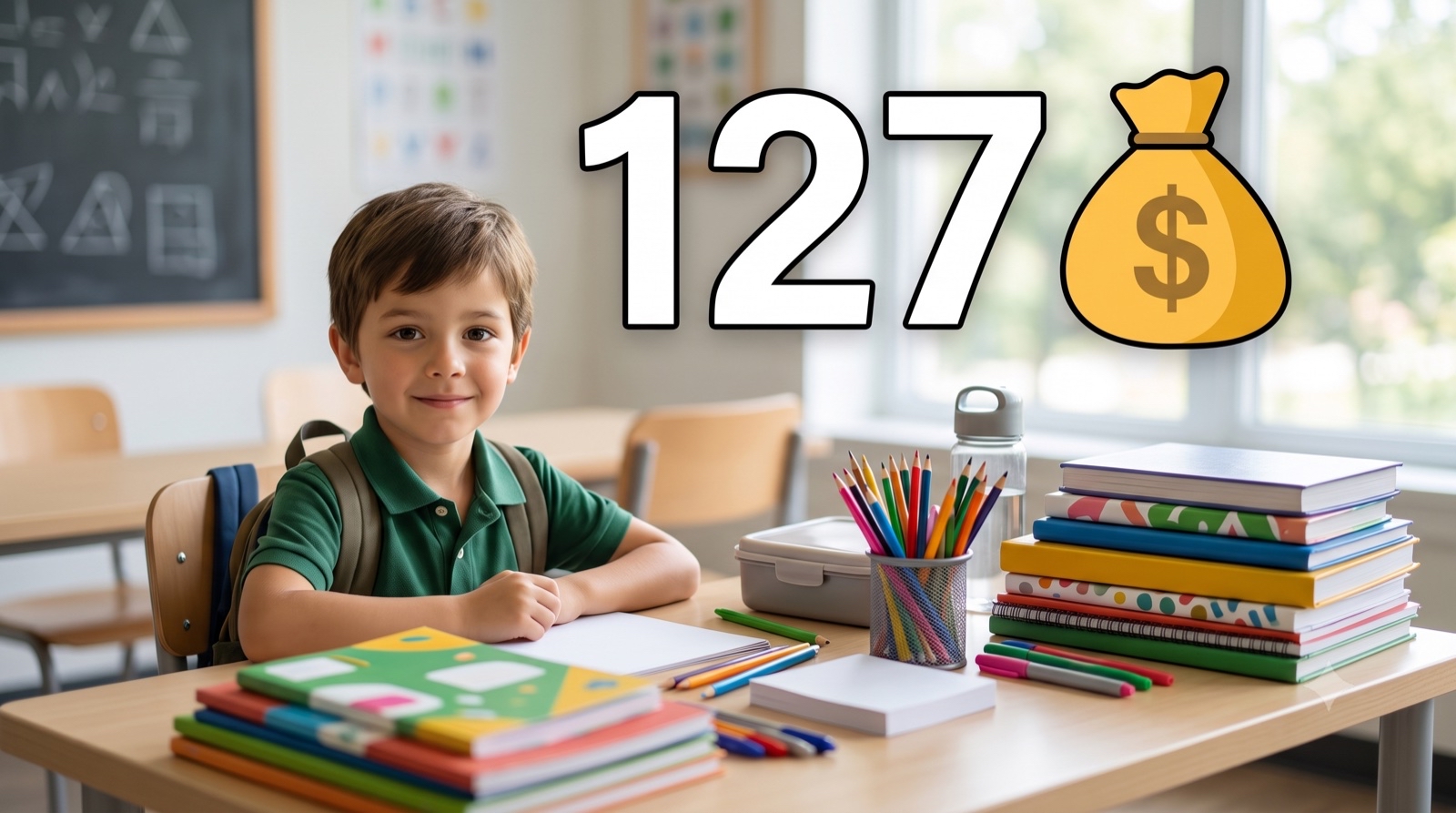
 Cost of Living · Updated September 9, 2026Back-to-School: $127 per Child, No Application NeededThe school supplies supplement is paid automatically with the Family Allowance. Who qualifies, and what it doesn't cover.
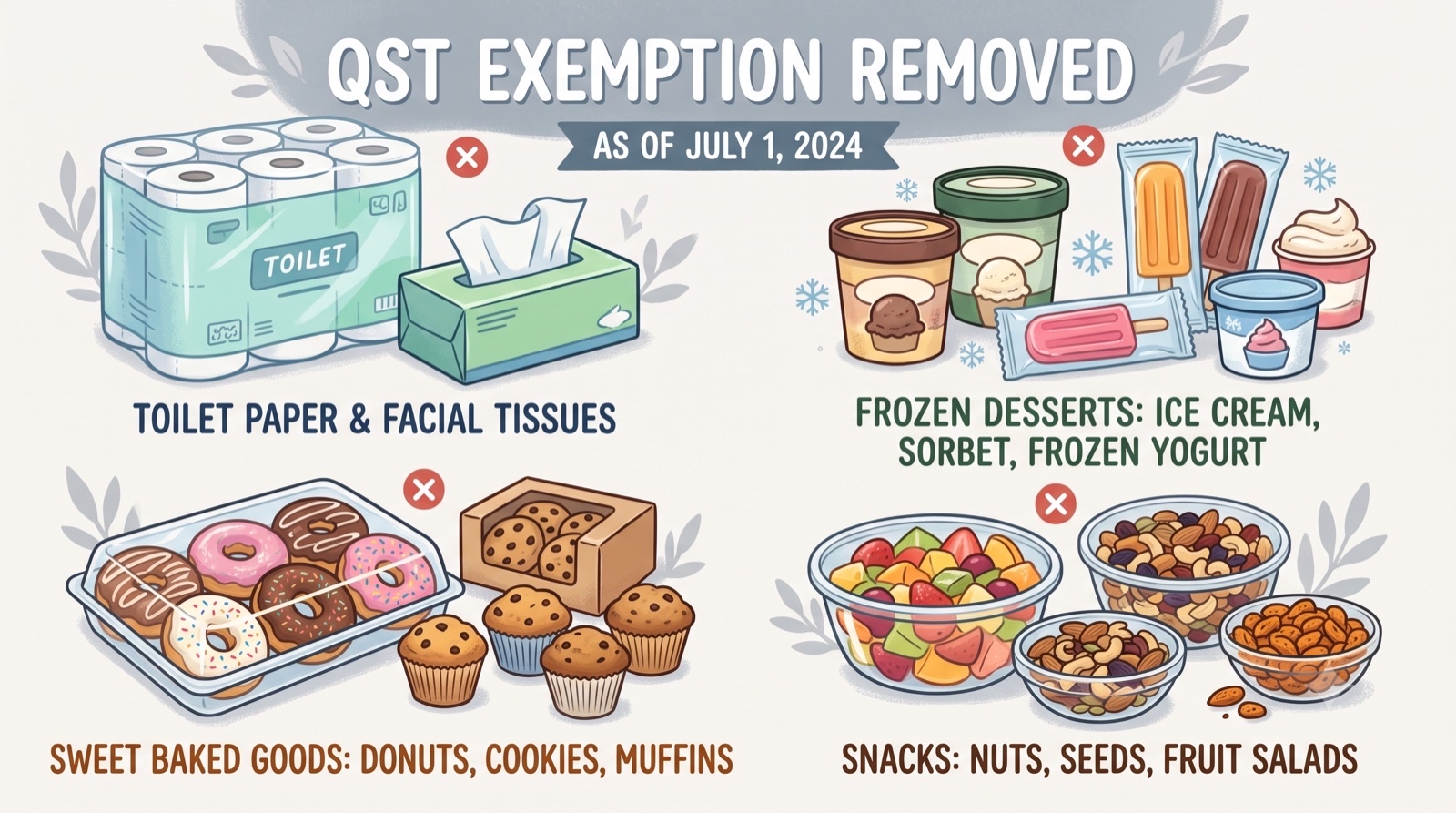
 Cost of Living · Updated September 9, 2026No More QST on Toilet Paper and MuffinsSince July 15, Quebec has dropped its 9.975% tax on a specific list of grocery and hygiene products. Here's which ones — and the catches.
 Cost of Living · Updated August 15, 2026TFSA and RRSP: the 2026 limits for saving tax-freeTwo accounts every newcomer should know, and how much you can put in this year.
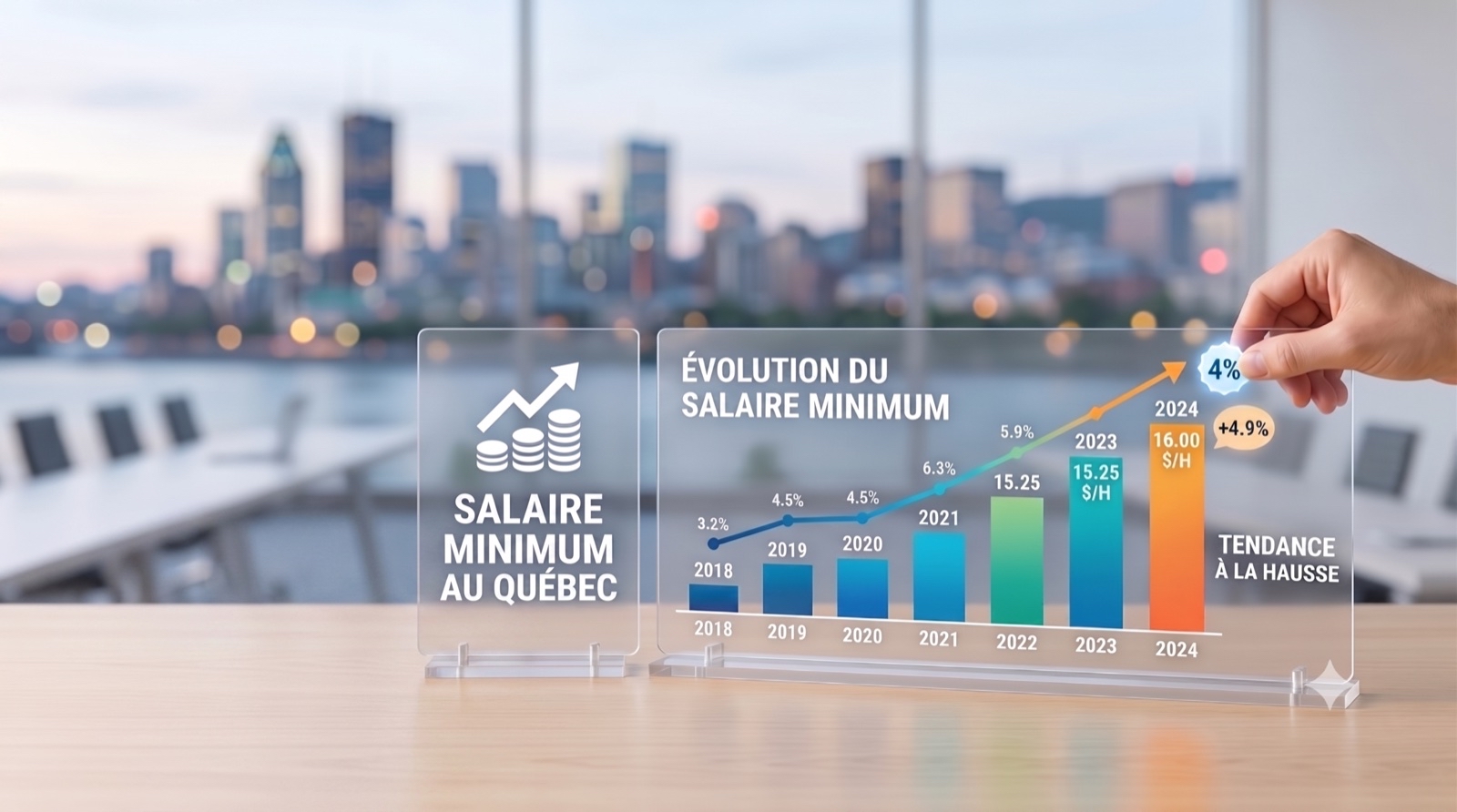
 Cost of Living · July 16, 2026Quebec's minimum wage in 2026: $16.60 an hourThe general rate went up on May 1, 2026: what it means for your paycheque.
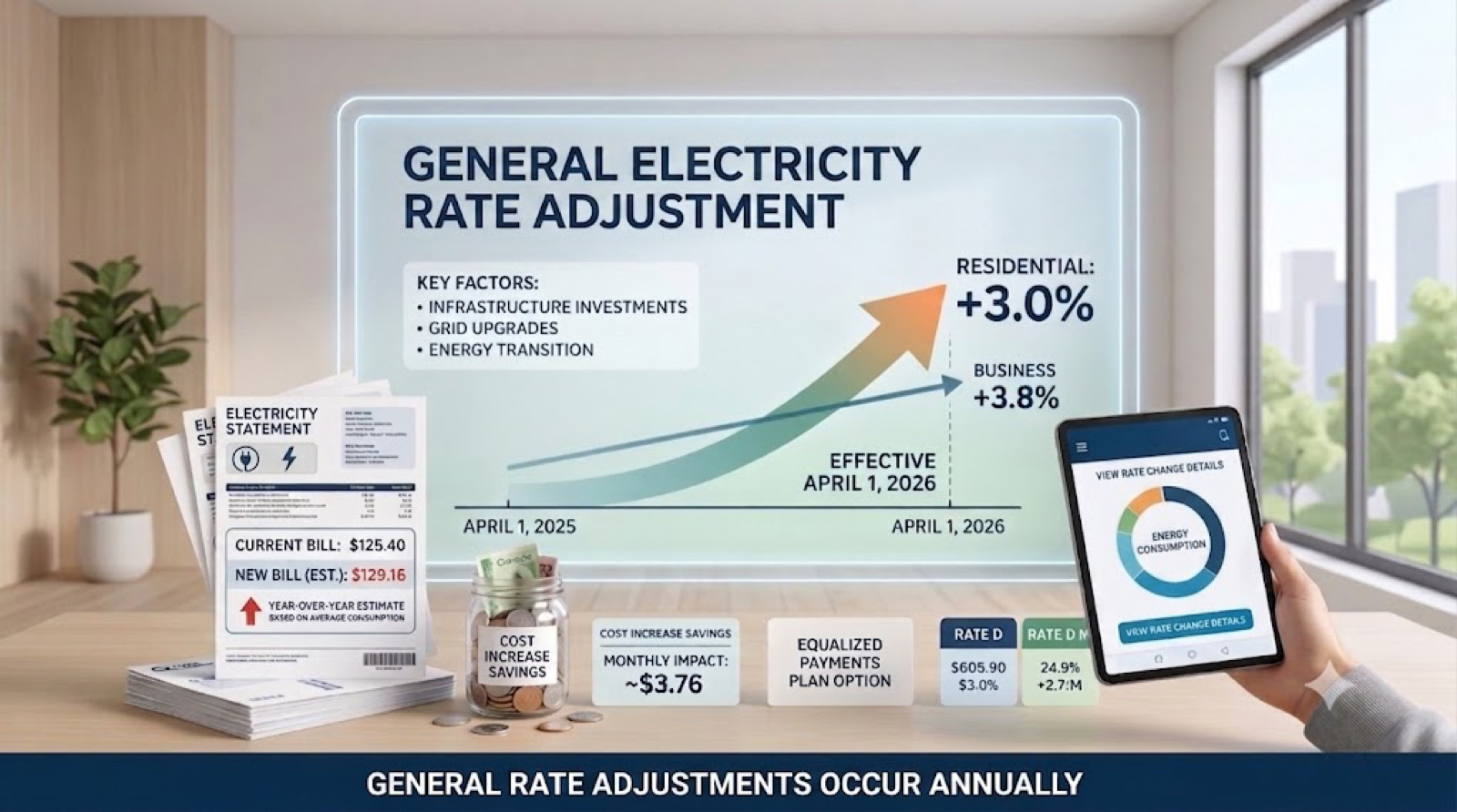
 Cost of Living · Updated September 9, 2026Hydro-Québec 2026: +3% on Your Electricity BillA 3% increase took effect April 1, 2026; here's what to expect on your bill.