1. If you're in danger right now
If your safety or your children's safety is threatened right now, call 911. The police will respond, regardless of your immigration status and regardless of what you may have been told.
To talk to someone, be heard, assess your situation or find a shelter spot, call SOS violence conjugale at 1 800 363-9010: free, confidential, anonymous and bilingual, 24/7. Workers can even call a shelter for you to secure a protected spot. In Montreal the local number is 514 873-9010. If you can't speak safely, the service also offers chat and text on its site.
You don't have to be ready to leave everything to call — you can just ask questions.
2. Violence is not only physical
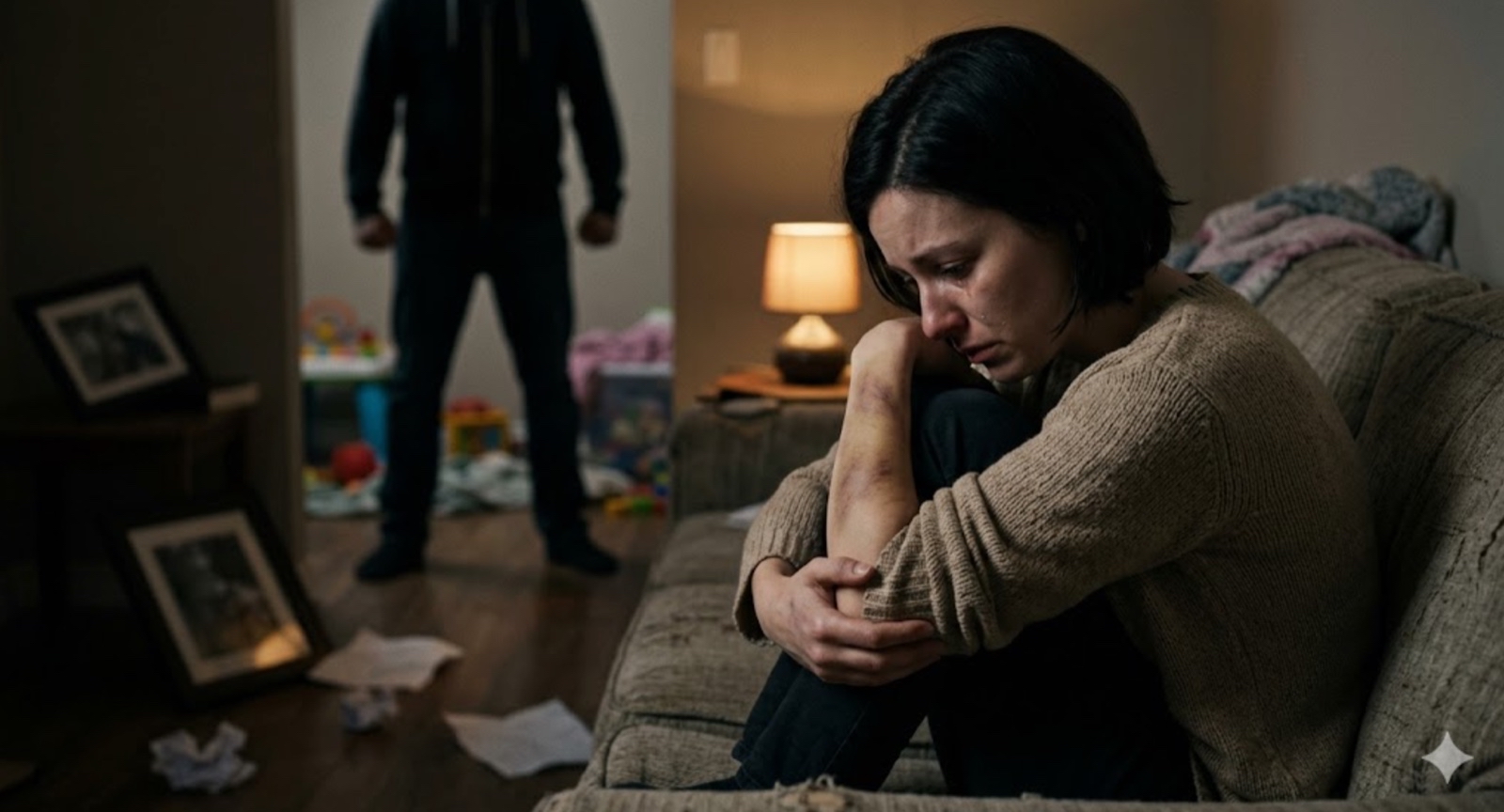
Many people think there's only domestic violence if there are blows. That's false. Domestic violence is a set of behaviours aimed at controlling the other person, and it takes several forms:
- Physical violence, of course;
- Psychological — humiliation, threats, isolation, controlling where you go and who you see;
- Economic — depriving you of money, controlling all income, stopping you from working;
- Sexual violence;
- Status-based control — threatening to have you deported, withholding your documents, lying about your rights to keep you dependent.
If you recognize your situation in even one of these, what you're living is domestic violence, and you have the right to help. It is never your fault.
3. The truth about your immigration status
This is the weapon most used against immigrants: 'if you leave, you'll be deported.' In the vast majority of cases, that's a threat, not a reality.
- If you're a permanent resident, your status is yours — leaving your partner doesn't cancel it, even if he sponsored you.
- If your situation is more complex — sponsorship in progress, temporary status, an application being processed — there are often protections and recourse, but they depend on your exact case.
Don't let anyone decide for you what you risk: speak to a specialized organization or immigration legal aid, free and confidential. Shelters and SOS violence conjugale work regularly with immigrant women and know these resources. The only mistake would be staying in danger because of a threat that might be false.
4. Shelters: what they offer
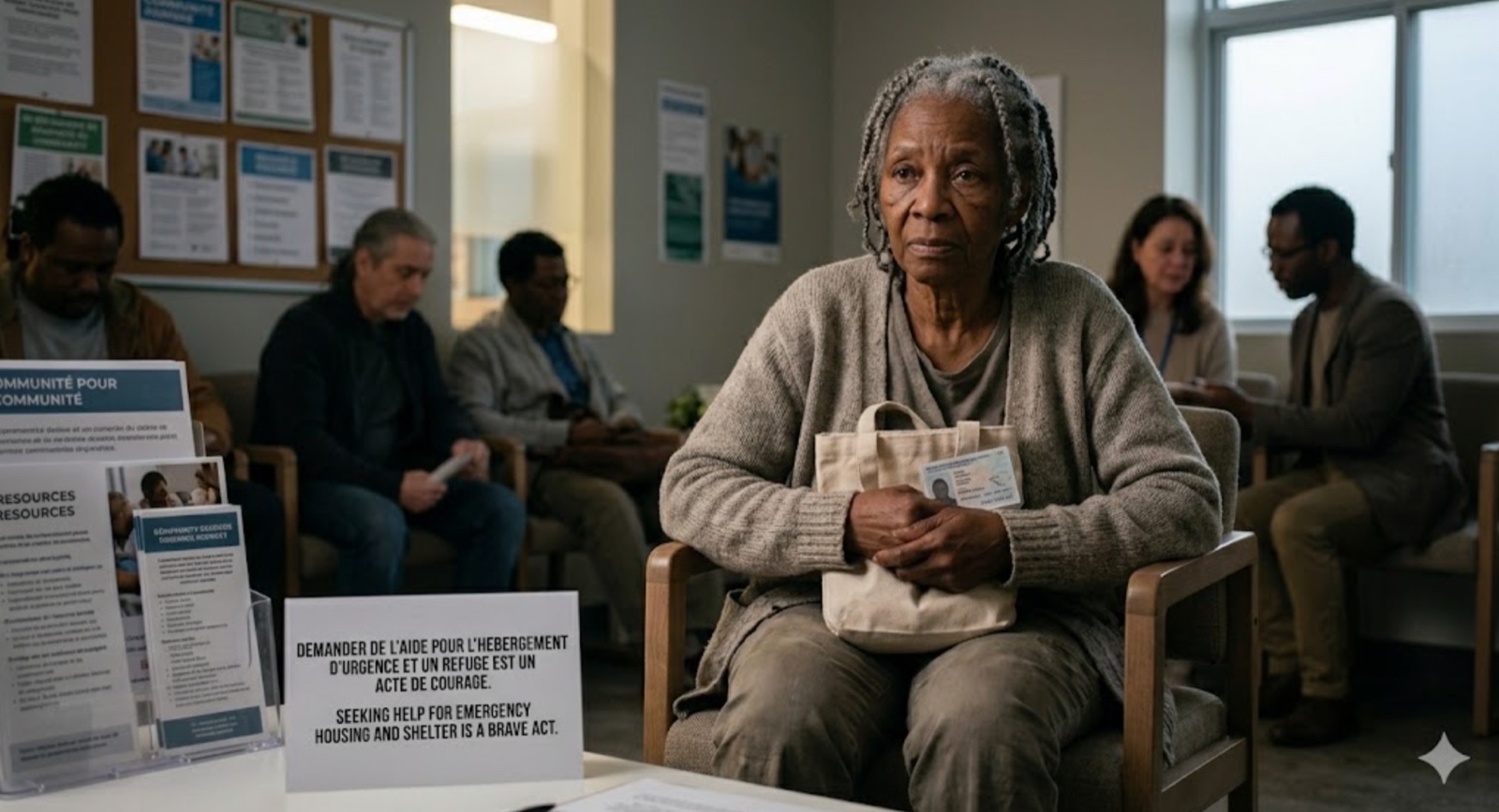
A shelter is not a last-resort dormitory: it's a safe, free, confidential place built for women and their children fleeing violence. You'll find temporary housing at a secret address, meals, and above all workers who help you regain your footing — paperwork, safety, psychological support, help with the children.
- You can bring your children with you.
- Several shelters have workers who speak different languages, or use interpreters.
To find a spot, the simplest path is to call SOS violence conjugale at 1 800 363-9010: they know available spots across Quebec and can call for you. A shelter is a step, not a permanent commitment — many women go first just to breathe and think in safety.
5. Your recourse and a safety plan
Beyond shelter, you have rights.
- You can file a police complaint; a file can lead to conditions imposed on the abuser to protect you.
- The crime-victims compensation program (IVAC) can offer support to victims of violence — read up on IVAC.
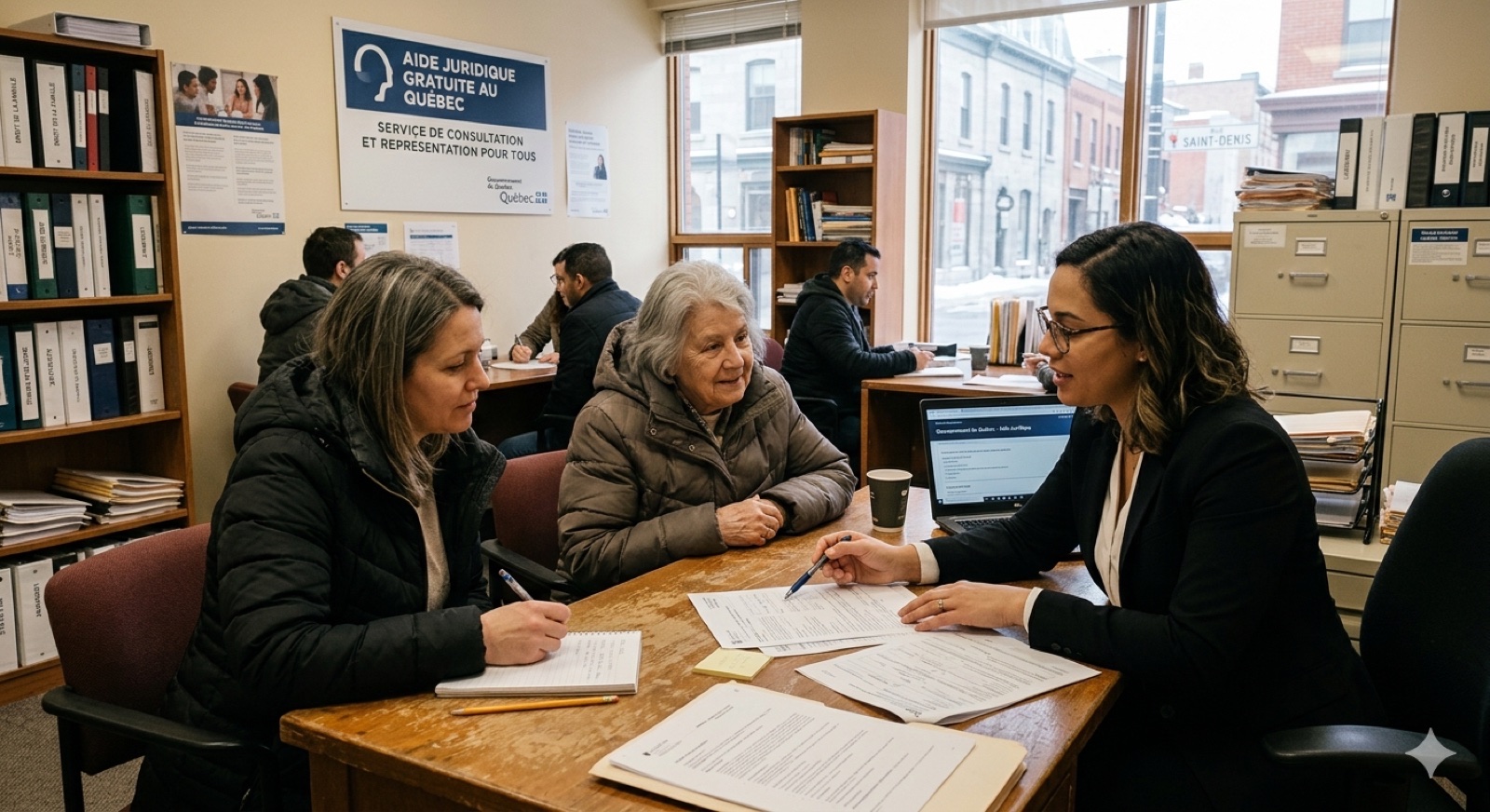
- Free legal aid can represent you for child custody, separation or immigration matters if your income qualifies.
Meanwhile, discreetly prepare a safety plan: keep together, in a safe place or with a trusted person, your ID, your children's papers, your immigration documents, some cash, and key numbers. Scope out in advance where to go and how to leave quickly if needed. Workers can help you build this plan, step by step, at your own pace.
6. Frequently asked questions
Here are questions immigrants often ask about domestic violence: whether men can also be victims, whether you have to pay, and whether the police will check your status.
Can men also be victims of domestic violence?
Yes. Men can be victims too, including in same-sex relationships. SOS violence conjugale and 811 Info-Social help everyone; there are also resources specifically for men. No one is turned away because of their gender.
Will the police check my immigration status if I call?
The police's role when you call 911 is your safety, not immigration enforcement. Your priority in an emergency is to be safe. For questions about how leaving affects your status, talk to immigration legal aid or a specialized organization — confidentially, and before you decide anything.
Do shelters and help cost anything?
No. Shelters, SOS violence conjugale and the crisis lines are free. Legal aid is free if your income qualifies. You never pay to be safe.
See also
These related guides may be useful:
- Crisis lines — confidential lines, 24/7.
- Free legal aid — your rights and recourse, free if eligible.
- Emergency shelters — a safe place for you and your children.
Official sources
For official, up-to-date information:
- SOS violence conjugale — 1 800 363-9010 · sosviolenceconjugale.ca
- Québec.ca — conjugal violence, help and resources — quebec.ca
- Regroupement des maisons pour femmes victimes de violence conjugale — maisons-femmes.qc.ca
- Éducaloi — your rights — educaloi.qc.ca
Recourse and programs evolve; a specialized organization will confirm what applies to your exact situation.
Author's note: leaving, or even just thinking about it, takes immense courage when you're far from home, in a language you barely master, and have been told over and over that you have no rights. You do. The first step isn't to leave everything: it's one call, to 1 800 363-9010, to speak with someone who won't judge you and who knows exactly the path. You deserve to be safe.