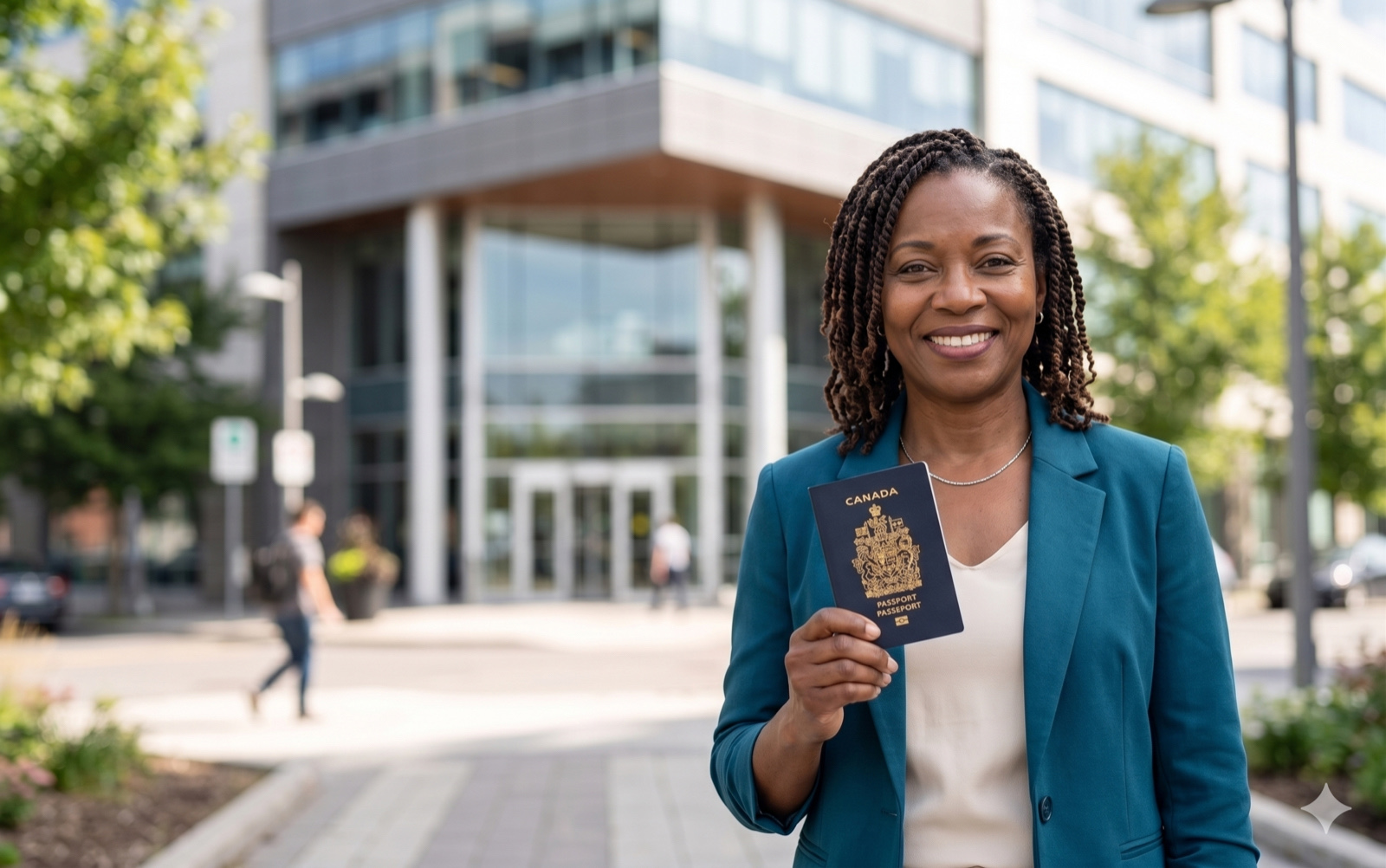
Canadian citizen
Steps and rights after obtaining Canadian citizenship — from passport to family sponsorship, including voting rights.
La Vie au Québec
Simplifiez votre vie au Québec · Simplify your life in Quebec
vieauqc.com
Canadian citizen
Steps and rights after obtaining Canadian citizenship — from passport to family sponsorship, including voting rights.
- 1
AFTER APPLICATION
Citizenship test + interview
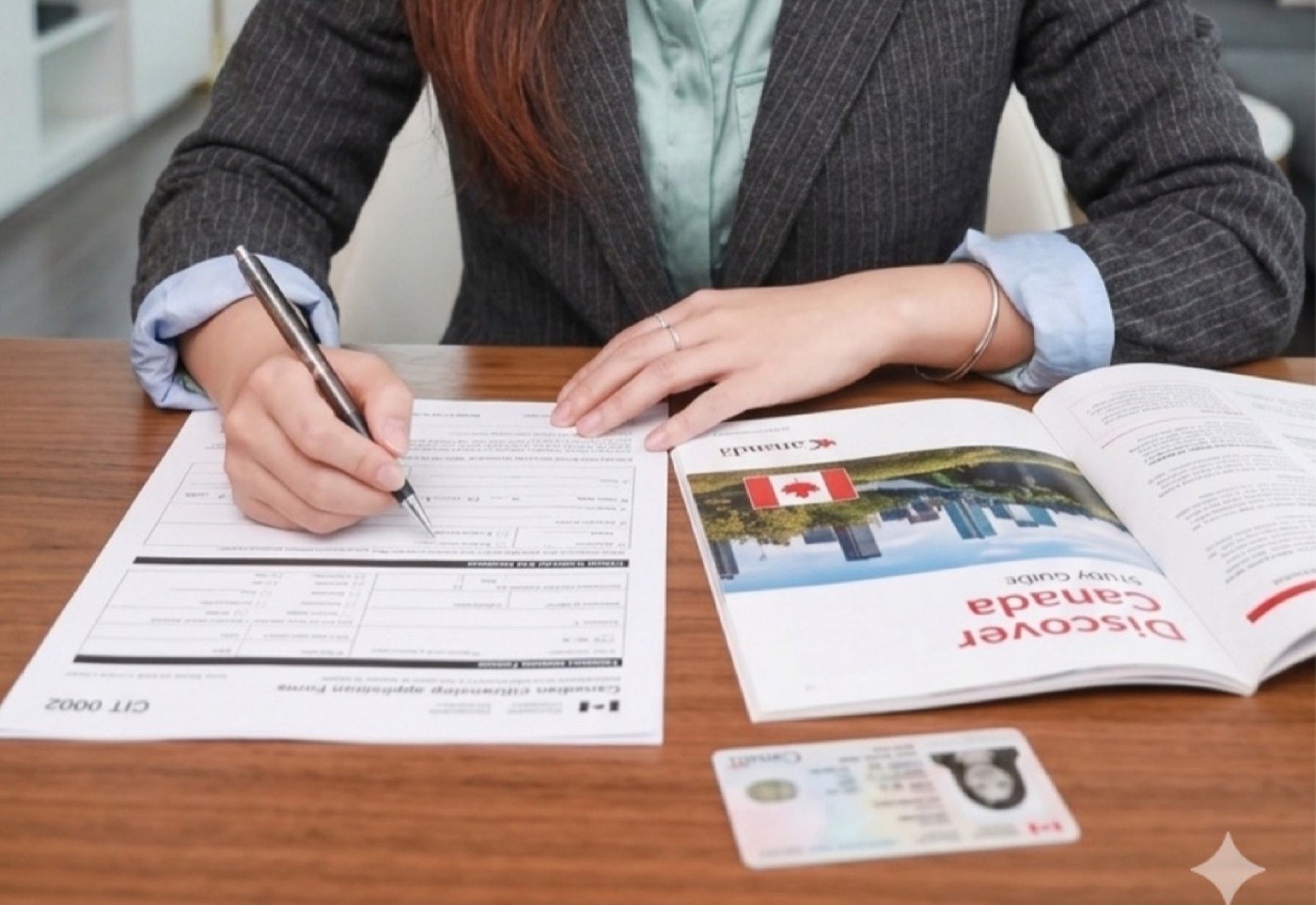
Once your application is processed, IRCC summons you for the citizenship test — a multiple-choice quiz on Canada's history, geography, rights and institutions — and an interview. The official study guide is free online; the exact test format changes, so verify it on IRCC.
Pass the citizenship testAlso useful
- 2
CEREMONY
Oath ceremony
You take the citizenship oath at an official ceremony (in person or virtual). That exact moment is when you become a Canadian citizen. You receive your citizenship certificate the same day.
Read the citizenship guideAlso useful
- 3
AFTER THE OATH
Apply for a Canadian passport
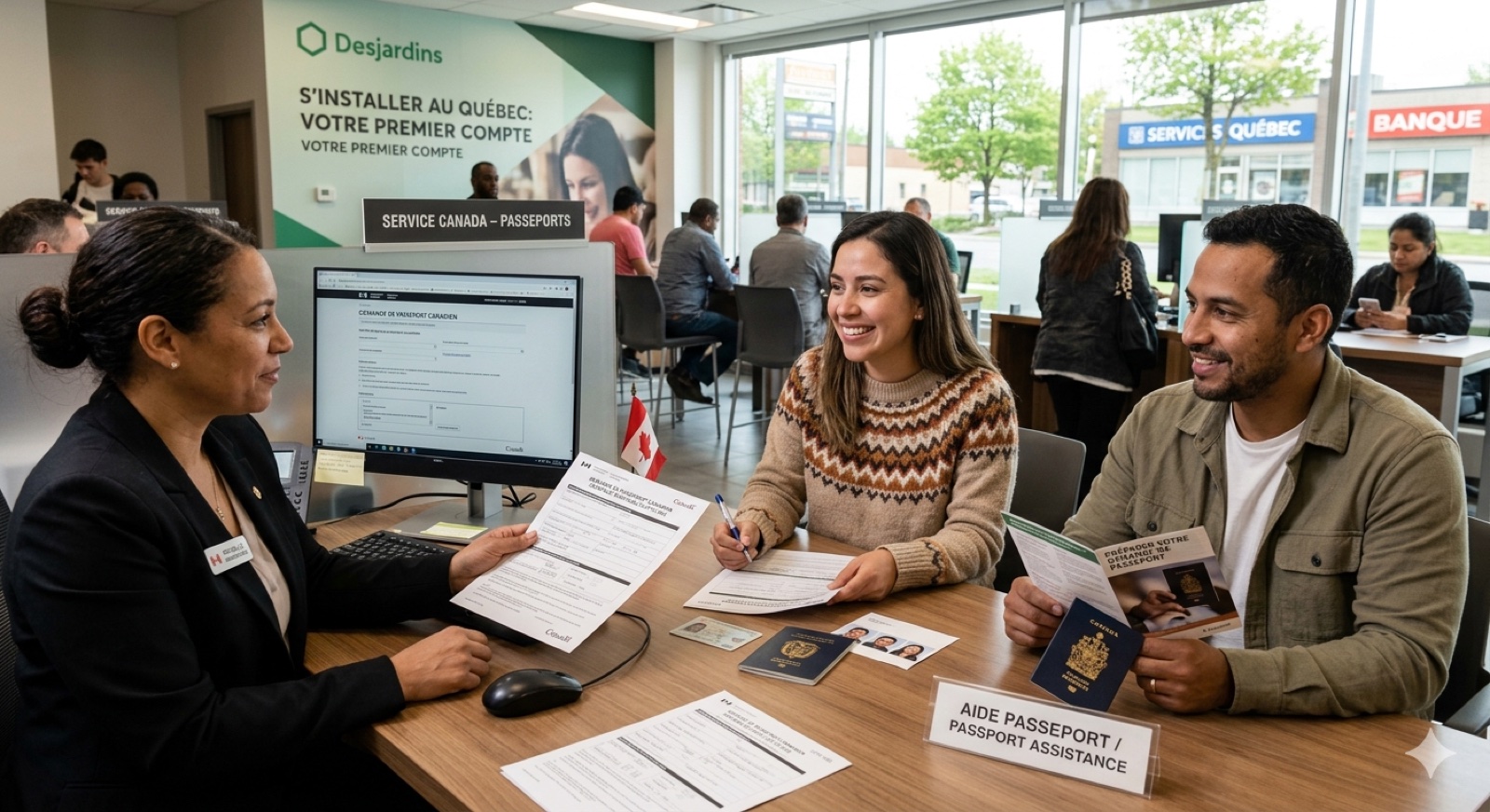
With your citizenship certificate, you can apply for a Canadian passport — one of the most powerful in the world (visa-free access to about 185 countries). Standard processing: 4 to 6 weeks; express service available.
Read the passport guide - 4
AS OF THE OATH
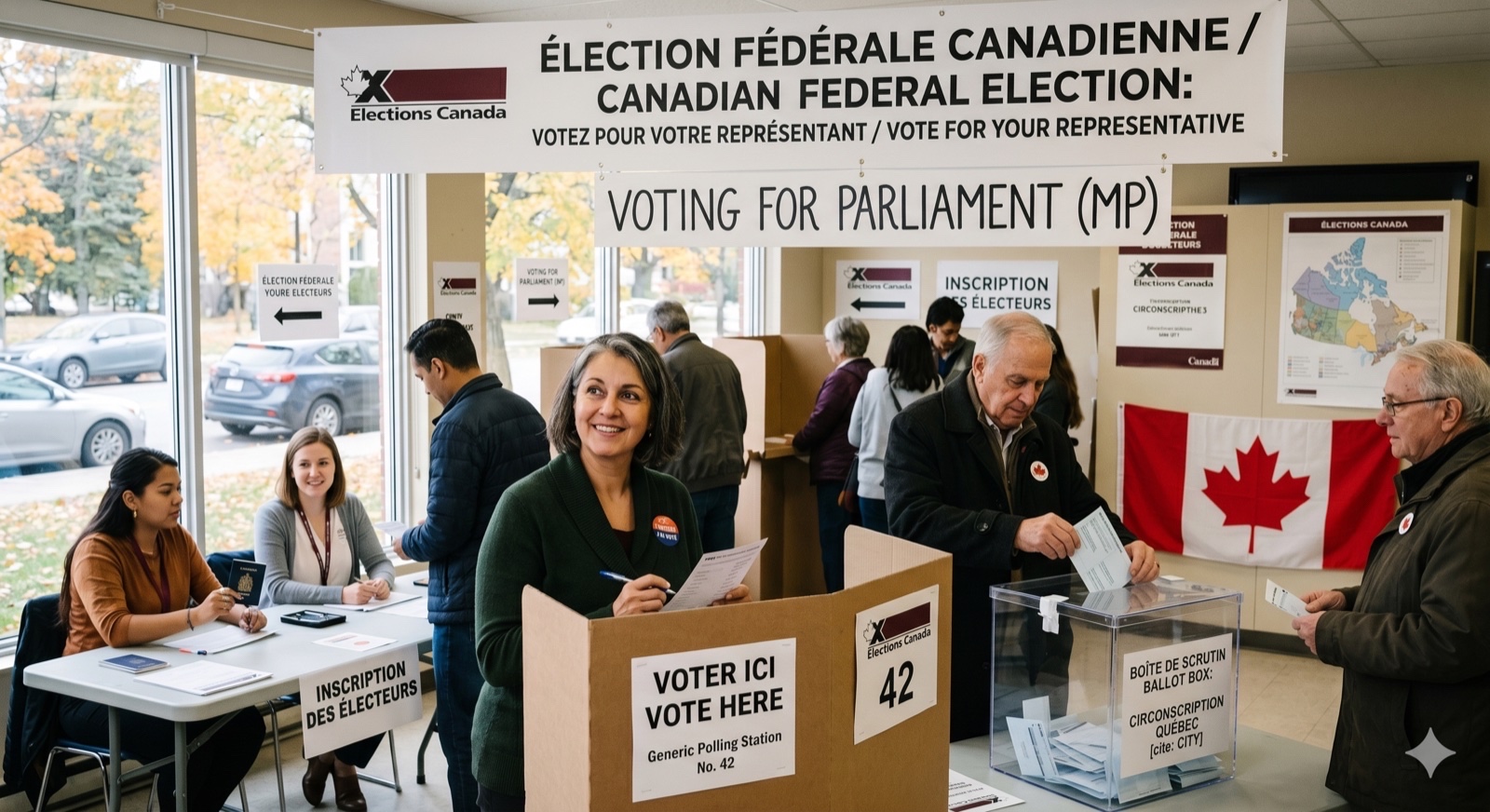
Voter registration
Federal and provincial voter registration is usually automatic (via the tax form). Verify your status with Elections Canada and Elections Quebec. You can vote in federal, provincial, and municipal elections — a right exclusive to citizens.
Read the voting guideAlso useful
- 5
IMPORTANT
Verify dual-citizenship rules
Canada permits dual (and multiple) citizenship. But some countries of origin do not — they may require you to renounce their nationality as soon as you become Canadian. Check your country of origin's rules BEFORE the ceremony to avoid administrative complications.
Read the citizenship guideSome countries (China, India, Japan, etc.) do not recognize dual citizenship. Possible consequences: loss of original passport, loss of inheritance rights.
Also useful
- 6
AT ANY TIME
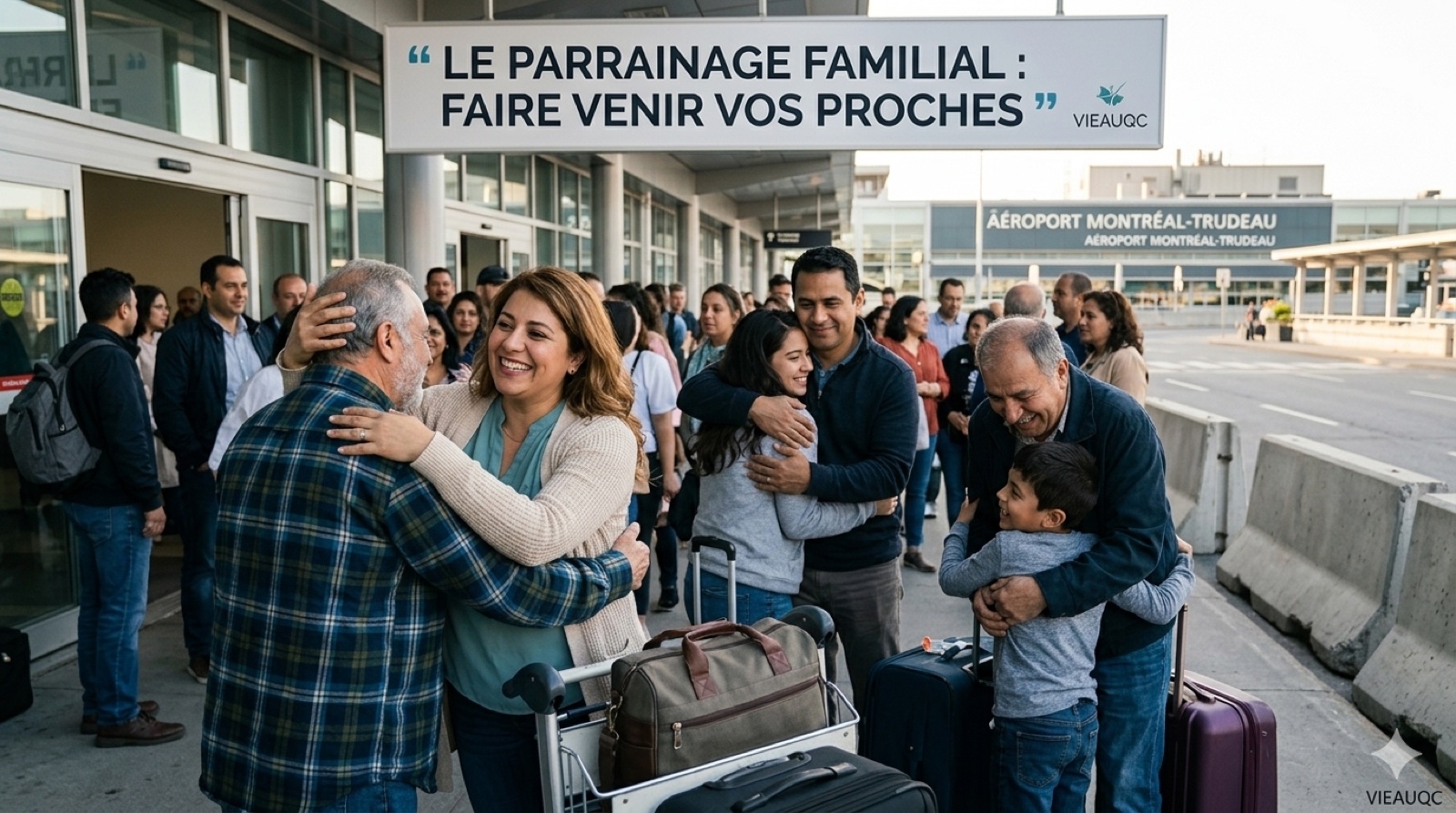
Family sponsorship
As a citizen, you can sponsor your spouse, dependent children, parents and grandparents for permanent residence. Timelines vary (a few months for a spouse to several years for parents via the PGP).
Read the sponsorship guide - 7
EVERY YEAR
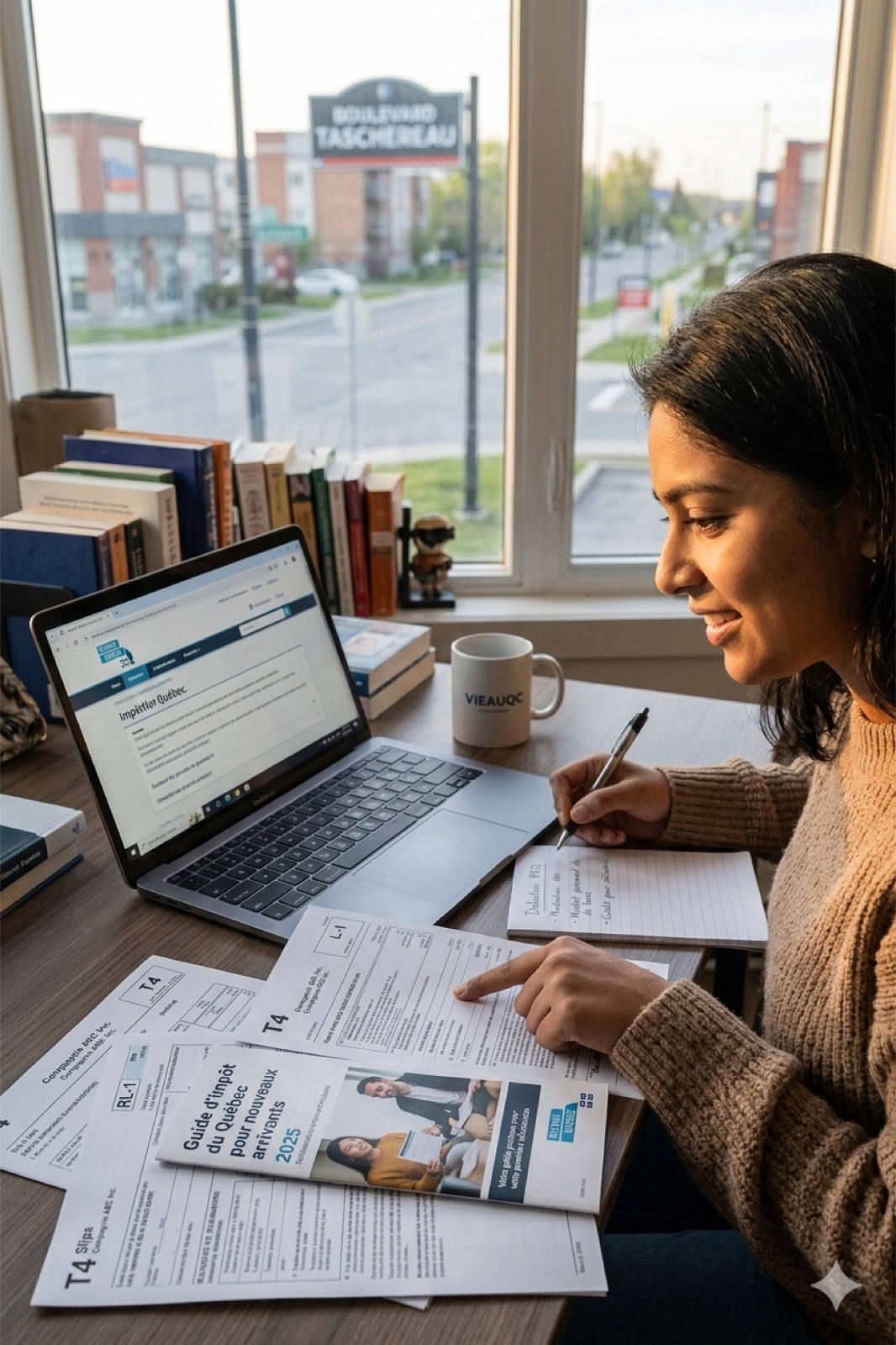
Taxes — tied to residence, not citizenship
Unlike the United States, Canada does not tax its citizens abroad: if you leave Canada and cease to be a tax resident there, you no longer have to declare your worldwide income to Canada (but you remain a citizen).
Read the taxes guide - 8
FOR TRAVEL
Travel with your Canadian passport
To re-enter Canada, always present your Canadian passport (not the one of your other nationality, if you are a dual national). CBSA may refuse boarding to a dual national who presents a foreign passport.
Read the passport guideAlso useful
In short
Canadian citizen
Canadian passport (one of the world's most powerful) and voting rights at every level: federal, provincial, municipal.
Eligibility for some federal jobs that require citizenship.
Easier sponsorship of family members.
Dual citizenship generally allowed by Canada — but check your country of origin's rules; some require renunciation.
Status for life unless documented fraud; tax obligations remain tied to your residence, not your citizenship.
What's next?
You've finished settling in. Here's where to go next.
Frequently asked questions
What exactly happens on the day of the oath ceremony?
+
What exactly happens on the day of the oath ceremony?
+You take the citizenship oath at an official ceremony, in person or virtual. That exact moment is when you become a Canadian citizen, and you receive your citizenship certificate the same day.
How long does it take to get my Canadian passport after the oath?
+
How long does it take to get my Canadian passport after the oath?
+With your citizenship certificate, you can apply for a Canadian passport. Standard processing is 4 to 6 weeks, and express service is available.
Do I need to register myself on the voter lists?
+
Do I need to register myself on the voter lists?
+Usually not: federal and provincial voter registration happens automatically via the tax form. It's still worth verifying your status with Elections Canada and Elections Quebec.
Do I lose my country of origin's nationality by becoming a Canadian citizen?
+
Do I lose my country of origin's nationality by becoming a Canadian citizen?
+It depends on your country of origin. Canada allows dual and multiple citizenship, but some countries, such as China, India or Japan, do not recognize it and may require you to renounce their nationality as soon as you become Canadian.
Which passport should I present to re-enter Canada if I am a dual national?
+
Which passport should I present to re-enter Canada if I am a dual national?
+Always present your Canadian passport, not the one from your other nationality. CBSA may refuse boarding to a dual national who presents a foreign passport.
Who can I sponsor now that I am a citizen?
+
Who can I sponsor now that I am a citizen?
+As a citizen, you can sponsor your spouse, dependent children, parents and grandparents for permanent residence. Timelines vary, from a few months for a spouse to several years for parents via the PGP.
If I leave Canada, do I still have to pay tax on my worldwide income?
+
If I leave Canada, do I still have to pay tax on my worldwide income?
+No. Unlike the United States, Canada does not tax its citizens abroad: if you leave Canada and cease to be a tax resident there, you no longer have to declare your worldwide income to Canada, even though you remain a citizen.
What does the citizenship test involve?
+
What does the citizenship test involve?
+It's a multiple-choice quiz on Canada's history, geography, rights and institutions, followed by an interview with IRCC. The official study guide is free online, but the exact test format changes, so it's best to verify it directly on the IRCC website.
Topics

First Steps in Quebec
Your first steps after arrival — housing, SIN, banking, phone.
Explore
Paperwork Simplified
Documents, official cards, government formalities.
Explore
Work & Career
Finding a job, Quebec-style résumé, French interviews.
Explore
Daily Life
Transport, local services, health, everyday life.
Explore
Local Resources
Communities, welcome services, neighborhood resources.
ExploreFrom Bécancour to Trois-Rivières.
Housing, transit, local schools: every guide also exists for your city, with real addresses and figures.



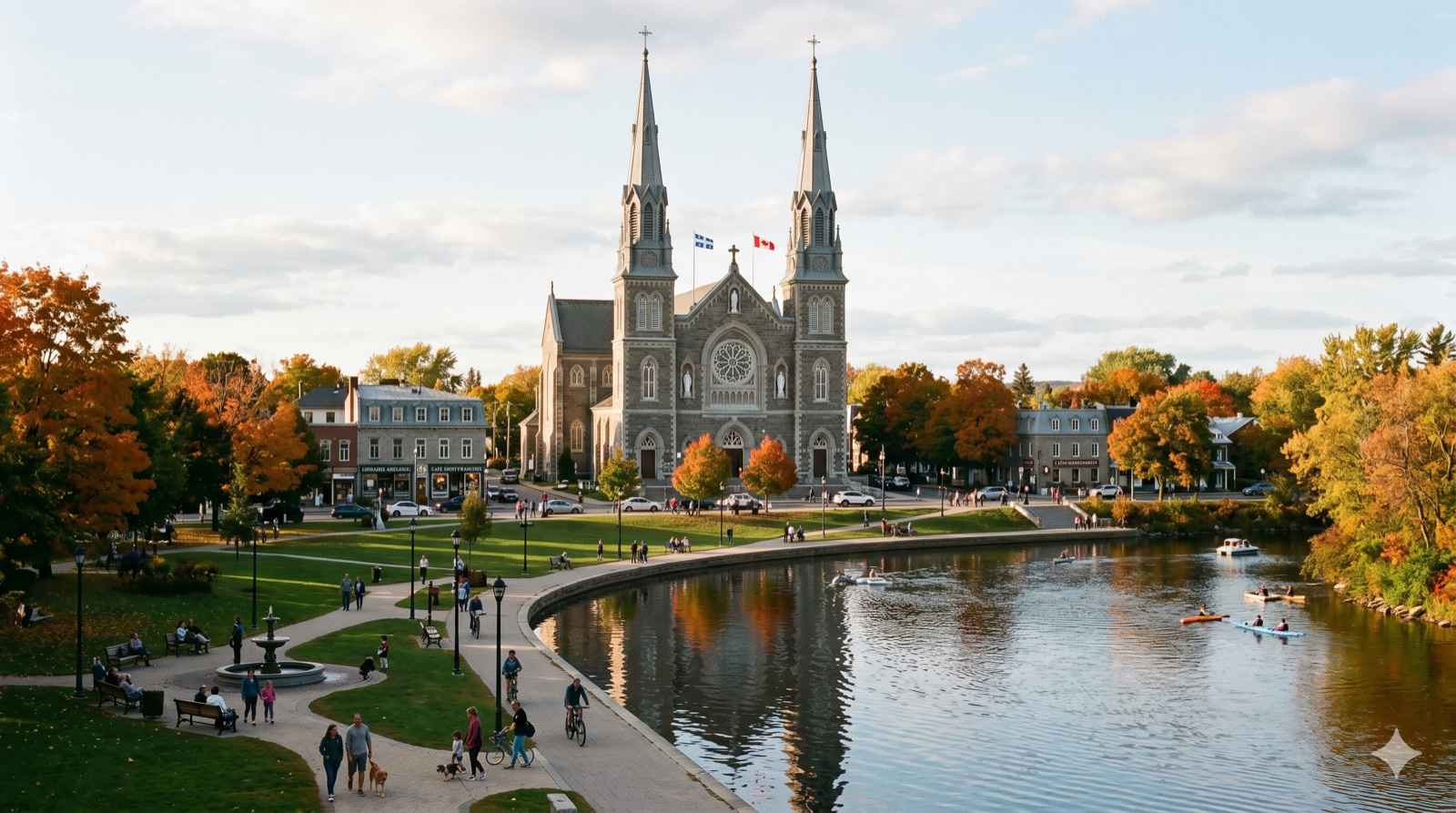
7 regions · 18 cities
All cities