
Just arrived
Your first actions, in order. From day 1 to the end of your first month.
La Vie au Québec
Simplifiez votre vie au Québec · Simplify your life in Quebec
vieauqc.com
Just arrived
Your first actions, in order. From day 1 to the end of your first month.
- 1
DAY 1–2
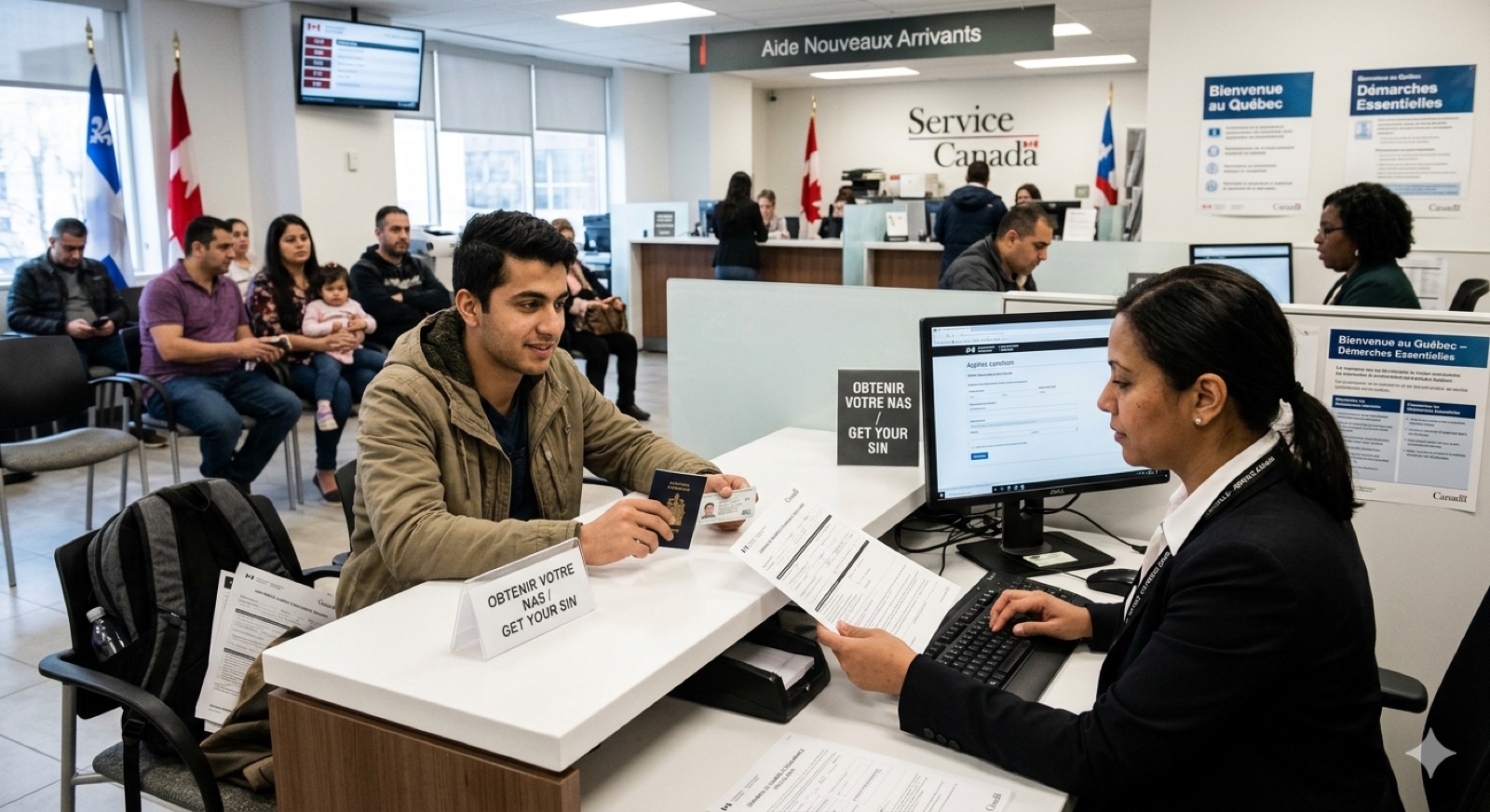
SIN — Social Insurance Number
Without a SIN, you can't work, open a bank account, or receive any government benefit. This is the very first step to take.
⏱ 30–45 min · in person at Service Canada
Read the SIN guide - 2
WEEK 1
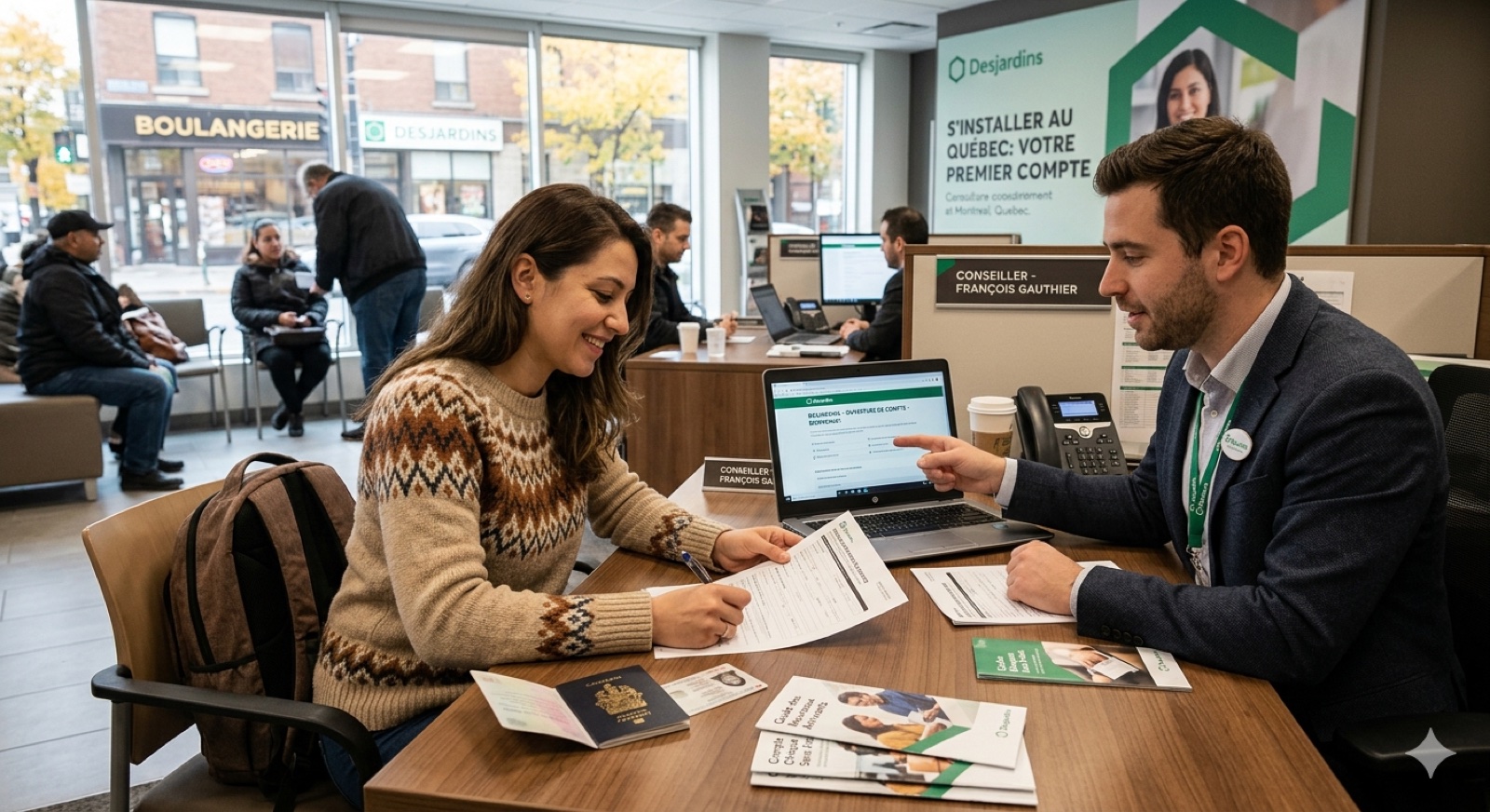
Open a bank account
Required to receive your paycheck and pay rent. Bring your SIN, passport, and a proof of address — even a temporary one.
Compare banks - 3
WEEK 1–2
Permanent housing
A permanent address unlocks RAMQ (health card), the driver's license, and school registration. Most newcomers rent first — the Quebec lease (bail) is 12 months by default, so read it carefully before signing. Buying usually comes later, once your Canadian credit is established.
Sign a Quebec lease - 4
WEEK 2–3
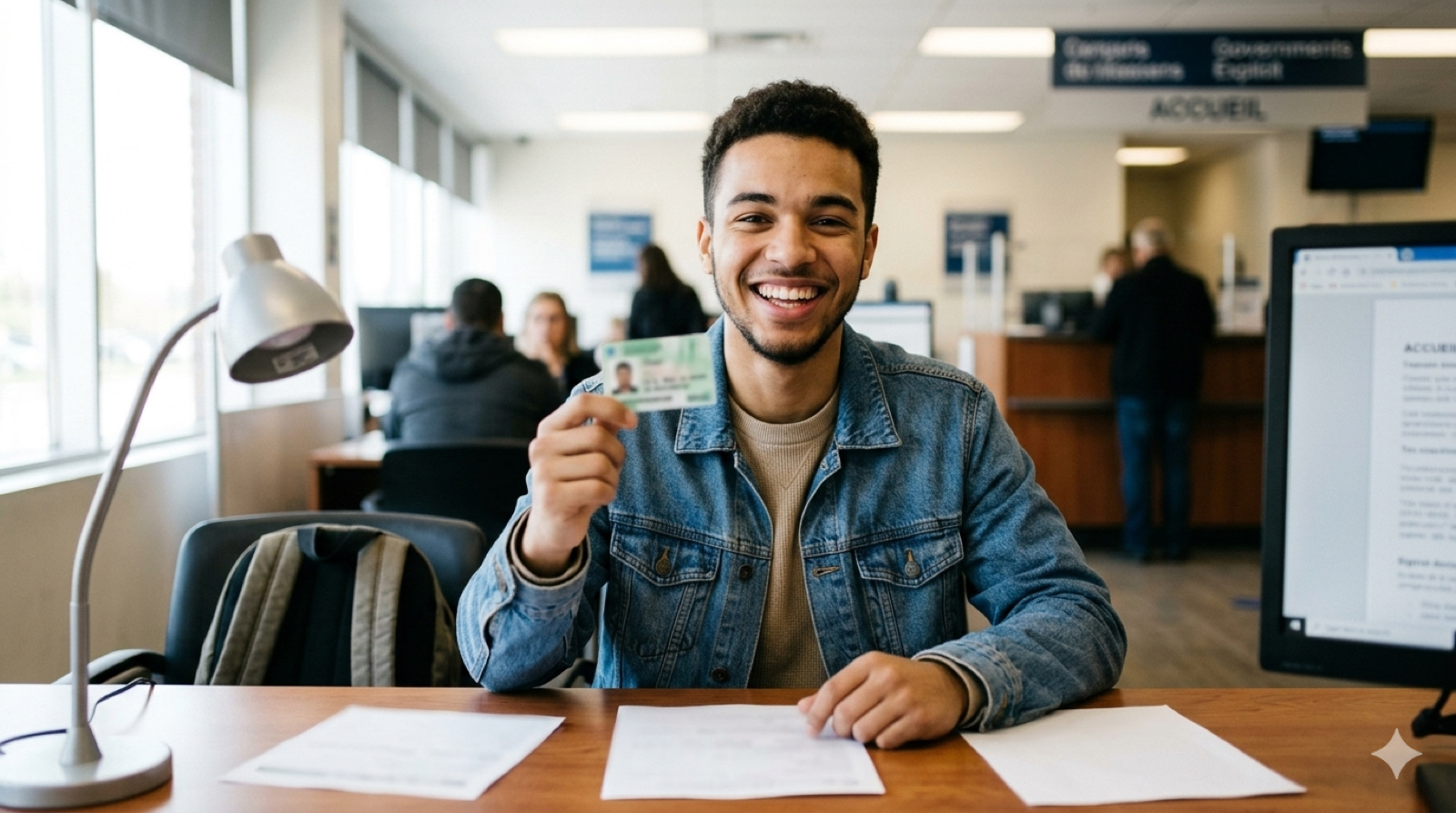
RAMQ — Health insurance card
Quebec's public health insurance card. Bring your proof of permanent address on the day you apply.
Apply for RAMQ3-month waiting period for new permanent residents — submit your application as soon as you have a permanent address.
- 5
FIRST WEEKS
Phone and internet
A Canadian phone plan and home internet: needed to work, handle online procedures, and stay in touch. Prices vary widely between providers — compare before you commit.
Choose a phone plan - 6
FIRST WEEKS
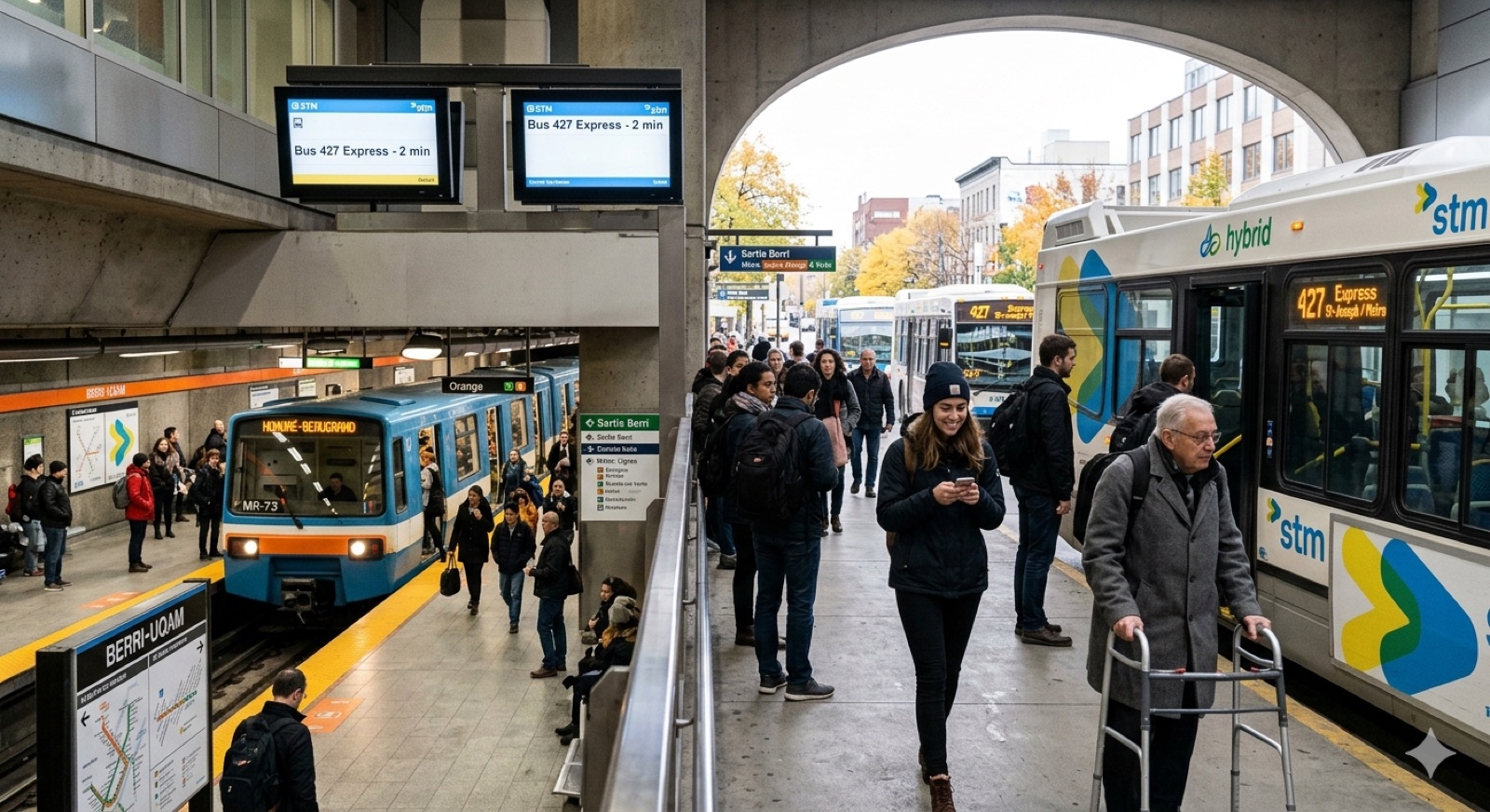
Public transit
Each major city has its own transit network and reduced-fare card: STM in Montreal, RTC in Quebec City, RTL in Longueuil, STO in Gatineau, exo in the suburbs. Get your city's card as soon as you settle in.
Find your city's network


In short
Just arrived
Order matters: no SIN → no bank ; no bank → no signed lease ; no lease → no health card.
Plan 2–3 weeks for the 6 steps — bring your identity documents on arrival.
Phone and transit can be sorted in parallel once you have an address.
Valid province-wide — each step links to its full guide.
What's next?
You've finished settling in. Here's where to go next.
Frequently asked questions
What should I do first when I arrive in Quebec?
+
What should I do first when I arrive in Quebec?
+Start with your SIN. Without it you can't work, open a bank account, or receive any government benefit — it's the very first step, on day 1 or 2.
Why does the order of the steps matter so much?
+
Why does the order of the steps matter so much?
+Because each step unlocks the next: no SIN means no bank account; no bank account means no signed lease; no lease means no RAMQ. Skipping a step blocks everything after it.
What documents do I need to open a bank account?
+
What documents do I need to open a bank account?
+Your SIN, your passport, and a proof of address — even a temporary one. The account is needed to receive your paycheck and pay rent.
How long does a Quebec lease commit me for?
+
How long does a Quebec lease commit me for?
+Twelve months by default. Most newcomers rent first and read the lease carefully before signing — buying usually comes later, once your Canadian credit is established.
Why should I apply for RAMQ as early as possible?
+
Why should I apply for RAMQ as early as possible?
+Because there is a 3-month waiting period for new permanent residents. As soon as you have your permanent address and proof of it, submit the application without delay.
Can I sort out phone and transit at the same time as the other steps?
+
Can I sort out phone and transit at the same time as the other steps?
+Yes — phone and transit can be sorted in parallel with the other steps, once you have an address. Compare phone plan providers, since prices vary widely.
Is the transit card the same everywhere in Quebec?
+
Is the transit card the same everywhere in Quebec?
+No, each major city has its own network and reduced-fare card: STM in Montreal, RTC in Quebec City, RTL in Longueuil, STO in Gatineau, exo in the suburbs. Get your city's card as soon as you settle in.
How long does it take to complete this parcours?
+
How long does it take to complete this parcours?
+Plan for about 2 to 3 weeks to complete all 6 steps, provided you have your identity documents on hand from the moment you arrive.
Topics

First Steps in Quebec
Your first steps after arrival — housing, SIN, banking, phone.
Explore
Paperwork Simplified
Documents, official cards, government formalities.
Explore
Work & Career
Finding a job, Quebec-style résumé, French interviews.
Explore
Daily Life
Transport, local services, health, everyday life.
Explore
Local Resources
Communities, welcome services, neighborhood resources.
ExploreFrom Bécancour to Trois-Rivières.
Housing, transit, local schools: every guide also exists for your city, with real addresses and figures.




7 regions · 18 cities
All cities