Greater Montreal
50 guides · 6 cities — All the VIEAUQC guides for living in Greater Montreal. Covers Montréal, Laval, Longueuil, Terrebonne, Brossard, Repentigny.
Montréal(21)
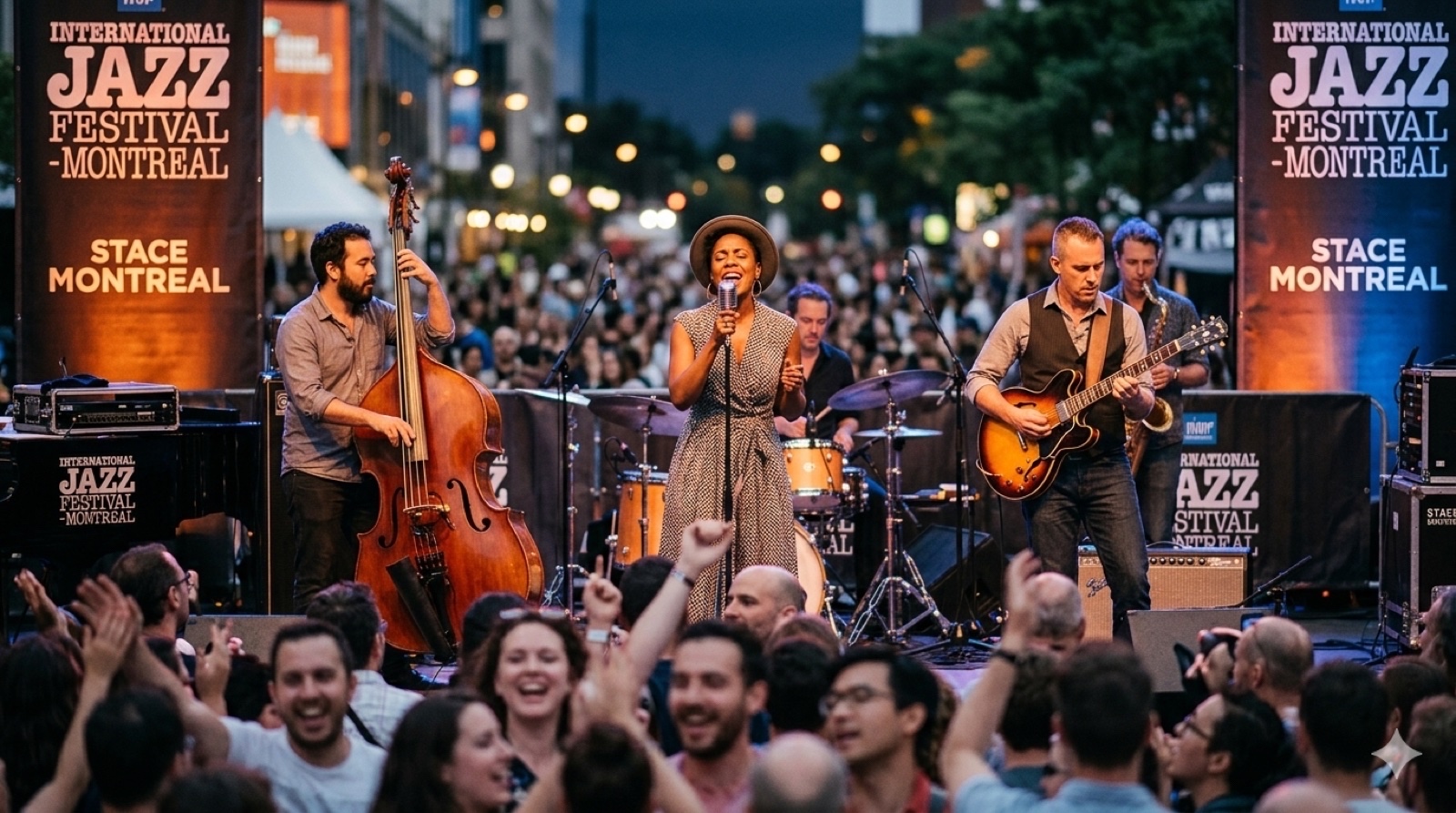
View all →Free Activities in Montreal: Outings and Culture
Parks, free museums, festivals, libraries, pools — a practical guide to the best free activities in Montréal for families and newcomers.
Montréal has a well established reputation as a cultural, festive city — and much of what the city offers at its best is entirely free. The parks are magnificent and open to all. Summer festivals attract millions of visitors, and the vast majority of shows cost nothing. Museums open their doors for free on certain days. Outdoor pools and skating rinks are often municipal and low cost or free. F...
Free Help for Newcomers in Montreal
PROMIS and the YMCA — two organizations offering free support to newcomers in Montreal.
In Montreal, community organizations support newcomers — free of charge: No specific immigration status required No fees: these services are funded for you Human guidance, often available in several languages The right time to contact them: as soon as you arrive This guide presents two solid organizations: PROMIS and the YMCA. PROMIS — Promotion intégration société nouvelle — has supported immi...
Free Job-Search Help in Montreal: Where to Go
Specialized job-search organizations in Montréal by profile — newcomers, anglophones, women, professionals — and who to contact first.
In Montreal, several organizations offer professional and entirely free job search help. The catch is that not all of them serve the same audience. Picking the right one from the start saves you weeks: an internationally trained professional doesn't need the same support as a woman returning to the workforce after an extended break. This guide groups them by specialty: Newcomers and immigrants ...
Laundromats in Montréal
Using a laundromat in Montréal: finding the nearest one, prices, how the machines work and your options if your apartment has no washer.
Many apartments in Montréal — particularly duplexes and triplexes in older neighbourhoods — have no washer or dryer inside the apartment itself. Coin operated laundromats (buanderies or laveries automatiques) are very common in Montréal — found in virtually every neighbourhood. Typical hours: 7 am – 10 or 11 pm; some are open 24 hours. Step by step laundromat use: 1. Arrive with your laundry an...
Summer Heat and Heat Waves in Montréal: How to Prepare
Surviving summer heat waves in Montréal — free cooling sites, financial aid, signs of heat stroke and practical advice for new residents.
A heat wave (Alerte level) is officially declared in the Montréal region when the temperature reaches 33°C for at least three consecutive days, with nights above 20°C — or two consecutive nights above 25°C. An apartment without air conditioning can quickly exceed 40°C — dangerous for vulnerable people. In 2010, a heat wave caused more than 280 deaths in Quebec. Since then, free protective resou...
Amateur Sports Clubs and Leisure for Adults in Montreal
Finding a sports club, recreational team or physical activity class in Montréal — soccer, badminton, running, yoga, swimming — to stay active and meet people.
Playing a sport or physical activity in a group is one of the most effective ways to meet Montrealers and build a social network outside of work. Sport creates a natural structure — regular practices, matches, social events — that facilitates repeated encounters, essential for building real friendships. For a new resident, joining a recreational sports team is often easier than building a socia...
Montreal Housing Co-ops: Below-Market Rent, How to Join
How housing co-ops in Montréal offer quality housing below market rent, what member commitment involves, and the two concrete paths to apply.
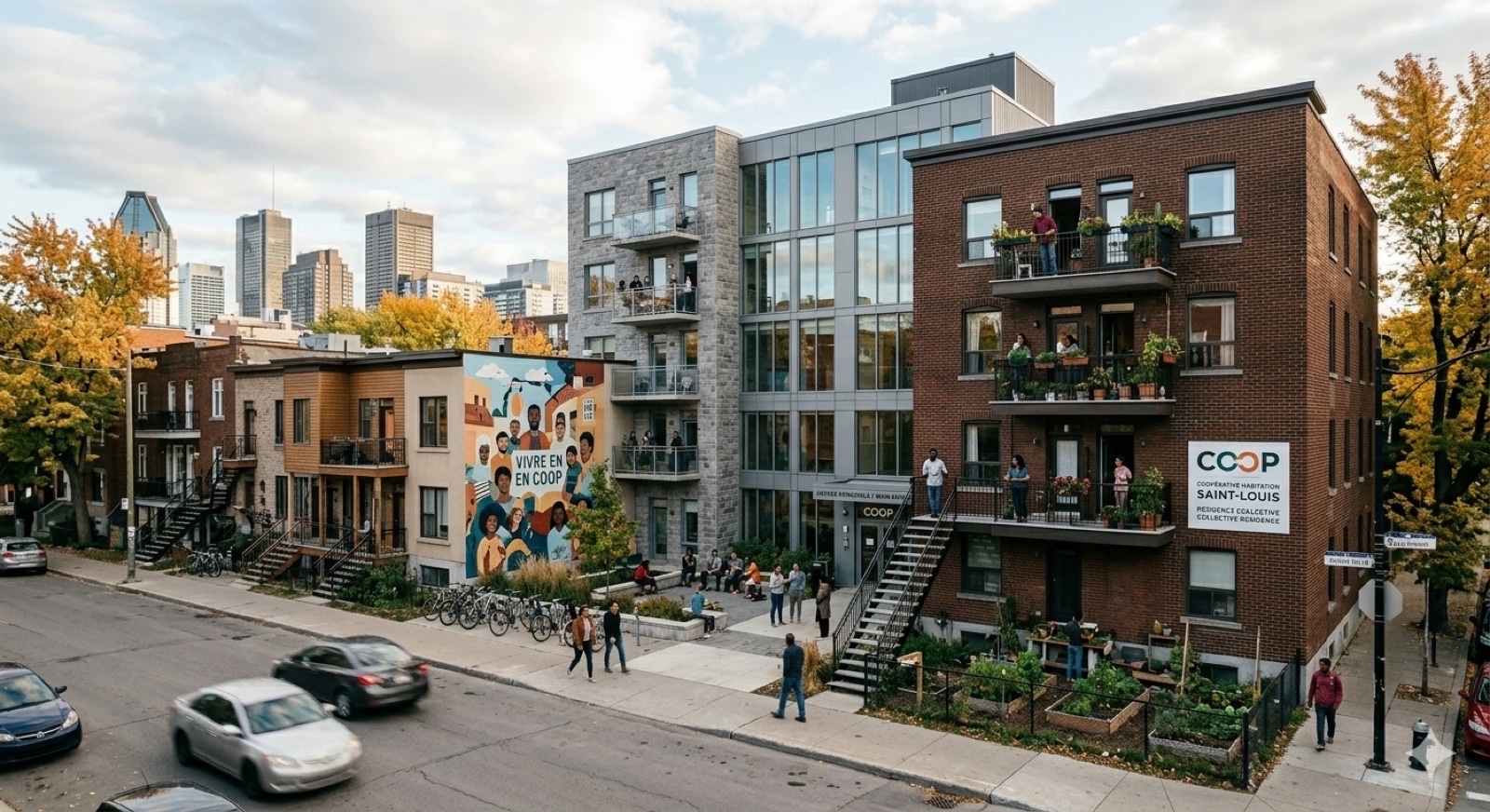
Housing cooperatives in Montréal — also called coops d'habitation — work very differently from private rentals or public housing like the . In a co op, residents are not merely tenants: they collectively own and manage the building. Because members handle administration, maintenance, and finances themselves, operating costs stay low — which lets co ops offer quality housing at rates significant...
Free French Classes in Montreal: How to Choose
Francisation Québec, community organizations, conversation cafés: every free way to learn French in Montreal.
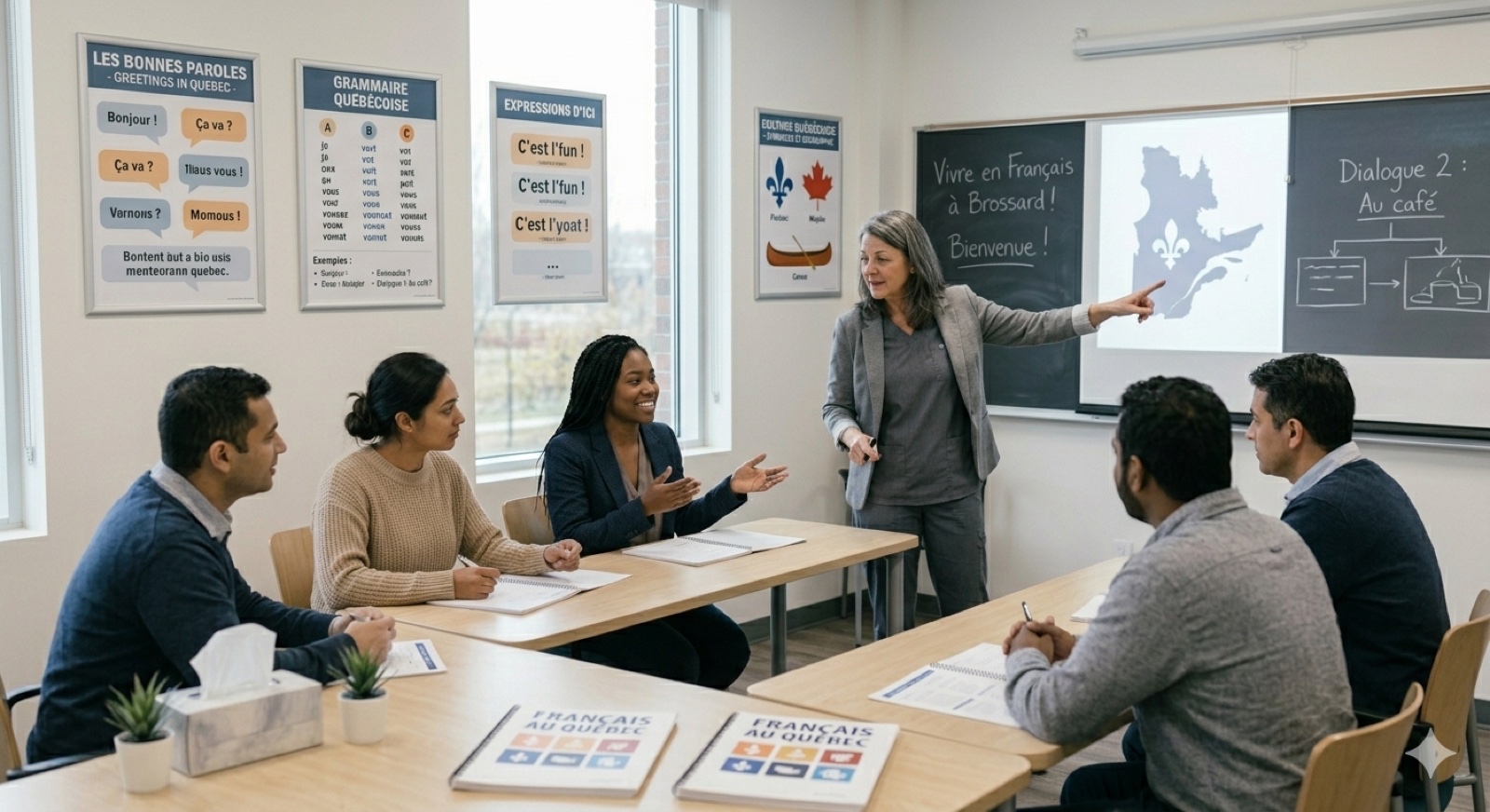
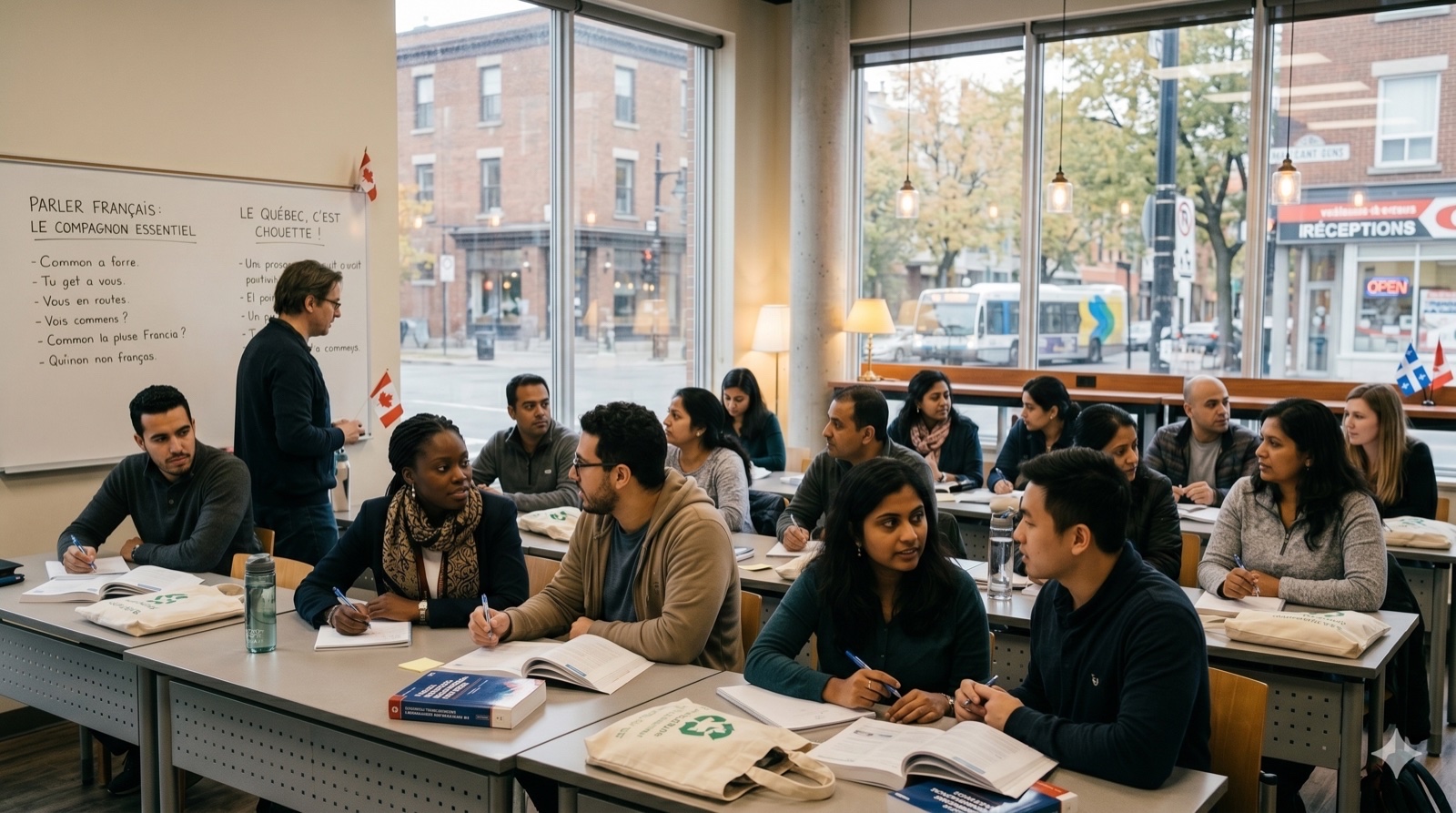
In Montreal, you do not need to pay to learn French. Three avenues coexist and complement one another: The government route — , which funds formal courses (full time, part time, or online) with a possible allowance for eligible learners. Neighbourhood community organizations — courses that are often less formal, in small groups, sometimes with childcare for parents. Informal practice — librarie...
Montreal's July 1st Moving Day: How to Prepare
July 1st is the most chaotic moving day in Quebec. This guide explains why it's so unique, how to organize if you must move that day, and how to avoid it if you can.
July 1st is the end and start date for the vast majority of leases in Quebec. This tradition traces back to a 19th century agrarian law fixing farm lease dates to May 1st, which later evolved to July 1st. Today, approximately 100,000 households move in Montréal on each July 1st — one of the largest simultaneous urban migrations in North America. The result: streets are cluttered with furniture,...
Parent and Family Groups in Montréal
Parent groups and support networks for immigrant families in Montréal: Maisons de la Famille, Facebook groups, CLSCs and community organizations.
Arriving in Quebec with young children can be profoundly isolating — the family support network stayed in the home country. Parent groups are often the first place where immigrant families build a local network — not just for the children, but for the parents themselves. Real linguistic advantage: group discussions with other parents are one of the best informal practices of everyday French. Ma...
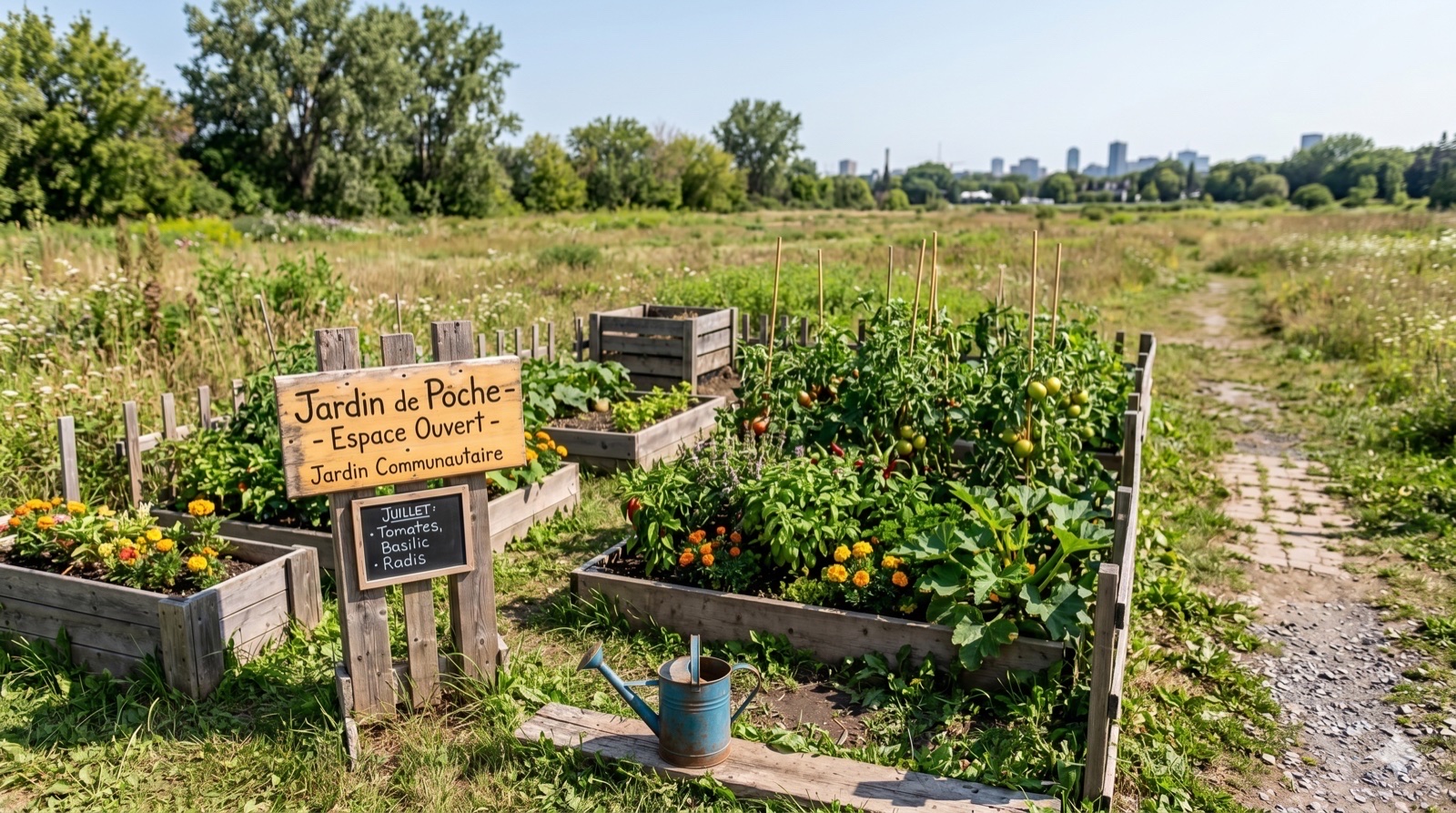
Community Gardens in Montréal: How to Get a Plot
Montréal's community gardens: grow your own vegetables for a few dollars a year. How to apply, the waiting list and the rules to know.
Montréal has one of the largest community garden networks in North America — more than 100 community gardens managed by the City across 19 boroughs, totalling over 8,000 plots. These gardens allow residents without private outdoor space to grow their own vegetables, herbs and flowers. The annual cost is nominal — typically $5–30 depending on the borough and plot size — and includes access to ir...
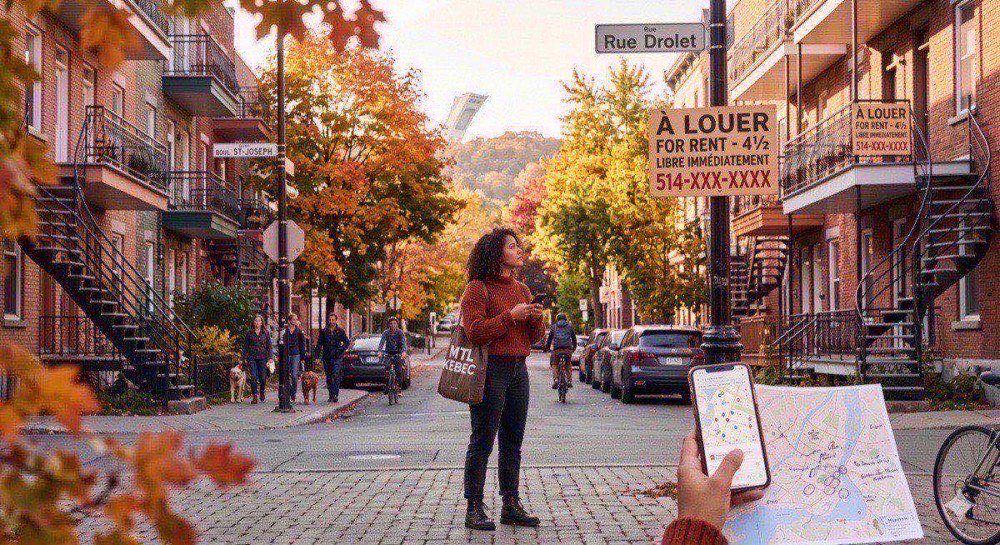
Finding Housing in Montreal
Finding an apartment in Montréal: where to look, visiting before signing, the Quebec lease, the neighbourhoods to know and July 1st moving day.
Finding housing in Montreal is easier than in other major Canadian cities, but the market has tightened. Most leases run 12 months and traditionally start July 1st. Begin your search at least 2 months ahead. The most used platforms: Kijiji, Facebook Marketplace — listings from individuals Centris — for rentals managed by real estate brokers LesPAC — the Quebec equivalent of Kijiji À louer signs...
Montréal's Public Markets: Where, When and What to Buy
Jean-Talon, Atwater, Maisonneuve — Montréal's public markets are much more than grocery spots. A practical guide for newcomers.
Montréal's public markets are nothing like supermarkets. They are living spaces where farmers from surrounding regions sell directly to consumers — fruits, vegetables, artisanal cheeses, meats, breads, flowers, spices and homemade processed goods. Visiting a market is a taste of rural Quebec without leaving the city. Seasonal produce prices are often competitive with grocery stores, sometimes c...
Montreal Help Organizations, by Need
Where to go in Montreal by need: paperwork, jobs, housing, family — free organizations, sorted.
In Montreal, dozens of organizations help newcomers free of charge. Rather than naming them all, this guide groups them by need: Paperwork and settlement — for your papers and your move in Employment — to find work Housing — to find a home and defend your rights Family — for your children and family life Good to know: many organizations (such as CSAI, L'Hirondelle or CARI) help on several front...
Cycling Paths and Biking in Montréal: Practical Guide
Cycling in Montréal: the bike path network, how BIXI works, the road rules for cyclists in Quebec and how to make the bike your daily transport.
Montréal has more than 1,000 km of cycling paths — separated lanes, on street bike lanes and shared paths. The city has invested heavily in its network since the 1990s and is regularly ranked among the world's top 20 most cycling friendly cities. For a newcomer, cycling is a serious transport option, particularly for daily trips under 10 km. The BIXI network, Montréal's bike share system, is on...
Your First 48 Hours in Montreal
The essential first steps as soon as you arrive: SIN, housing, banking, transit.
As soon as you arrive at Montréal Trudeau airport, look for the welcome desk of the Ministère de l'Immigration. Staff will give you essential documents about your rights and your first steps in Quebec. The Social Insurance Number (SIN) is a 9 digit number issued by the Government of Canada. It is mandatory for working or receiving government services. To get it, present yourself at a Service Ca...
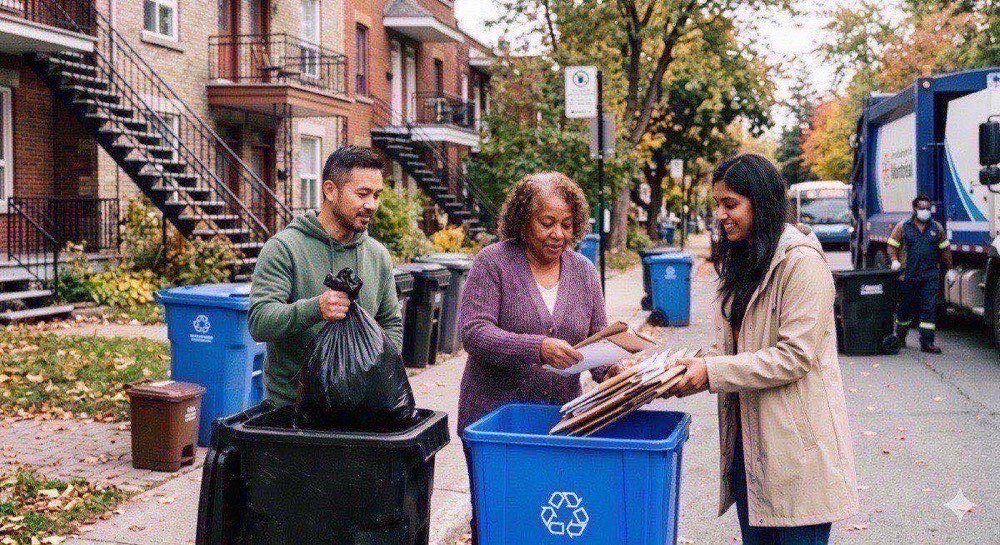
Recycling and Garbage in Montreal: Bins and Collection
Recycling, garbage and compost in Montreal: which bin for what, pickup days by borough, bulky items and the rules to follow.
Three bins in Montreal: Green bin: recycling (paper, glass, plastic, metal) Brown bin: compost (organic matter) Black/gray bin: household garbage The exact colour and shape can vary by borough, but the three stream logic stays the same across the island. In the green bin: Paper and cardboard (rinsed and flattened) Glass: bottles, jars Plastic: numbers 1 to 7 (look under the container) Metal: ca...
Free Shows and Theatre in Montréal
The best places and events to enjoy Montréal's culture for free or nearly free — theatre, concerts, outdoor cinema, libraries and public cultural programming.
Montréal is one of the North American cities with the largest volume of free cultural programming. For a new resident, discovering this free programming is often a pleasant surprise — professional quality concerts, street theatre performances, outdoor film screenings, entire festivals — without spending a dollar. The Quartier des spectacles is Montréal's central cultural district, located betwe...
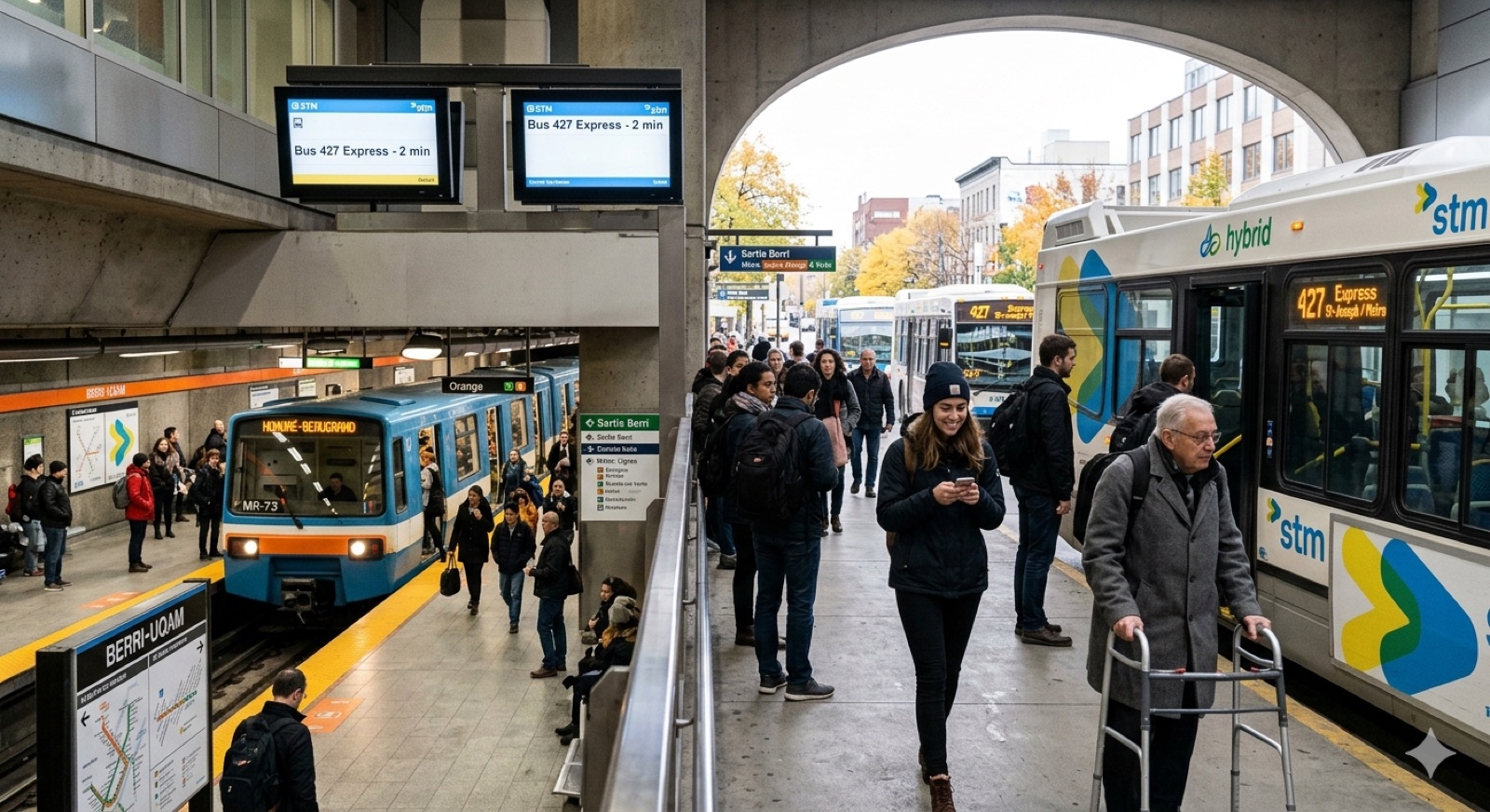
Using the Montreal Metro and Bus (STM)
How to get and load an OPUS card, choose the right fare and ride the STM metro and buses in Montreal, with tips for newcomers.
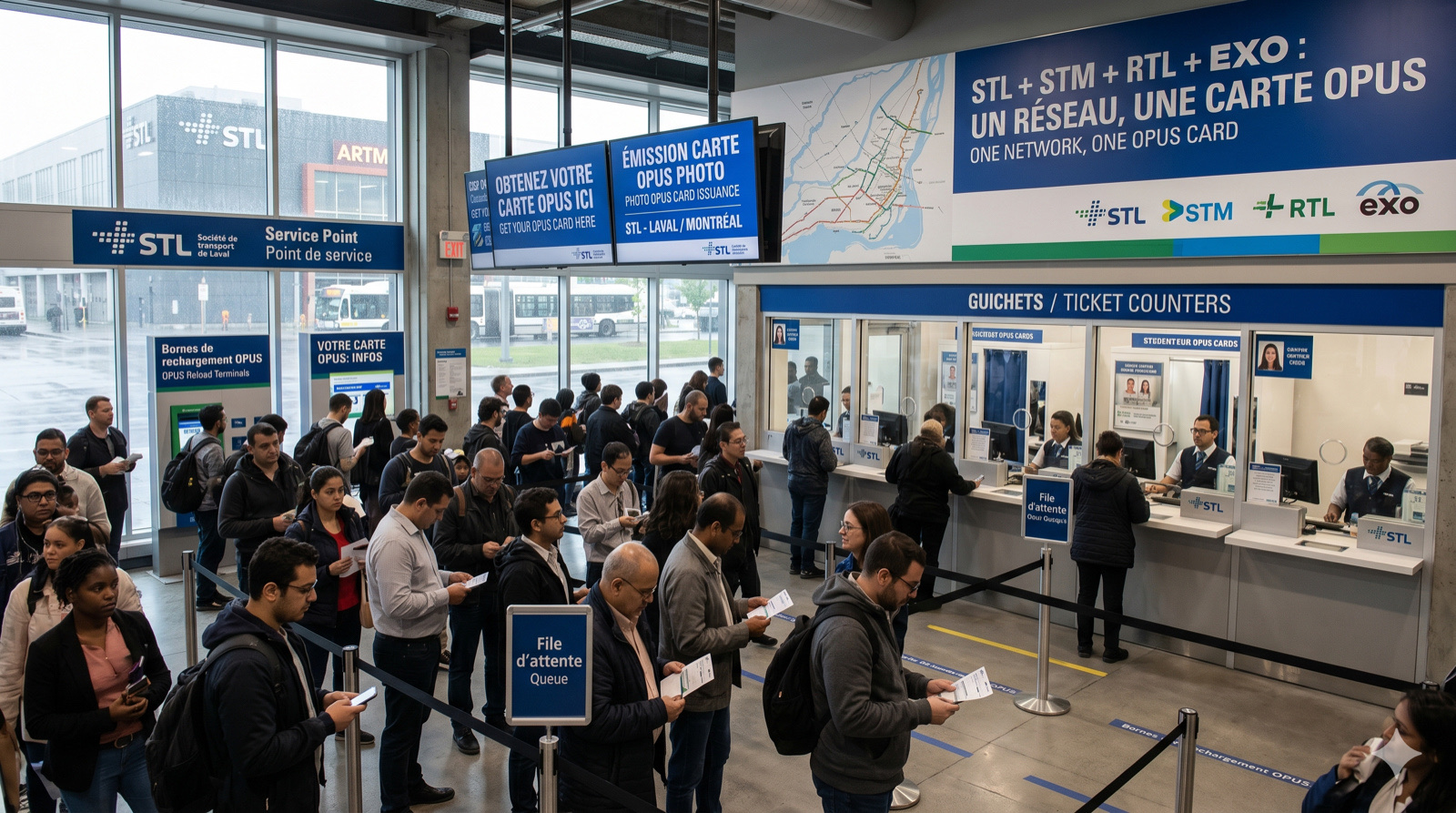
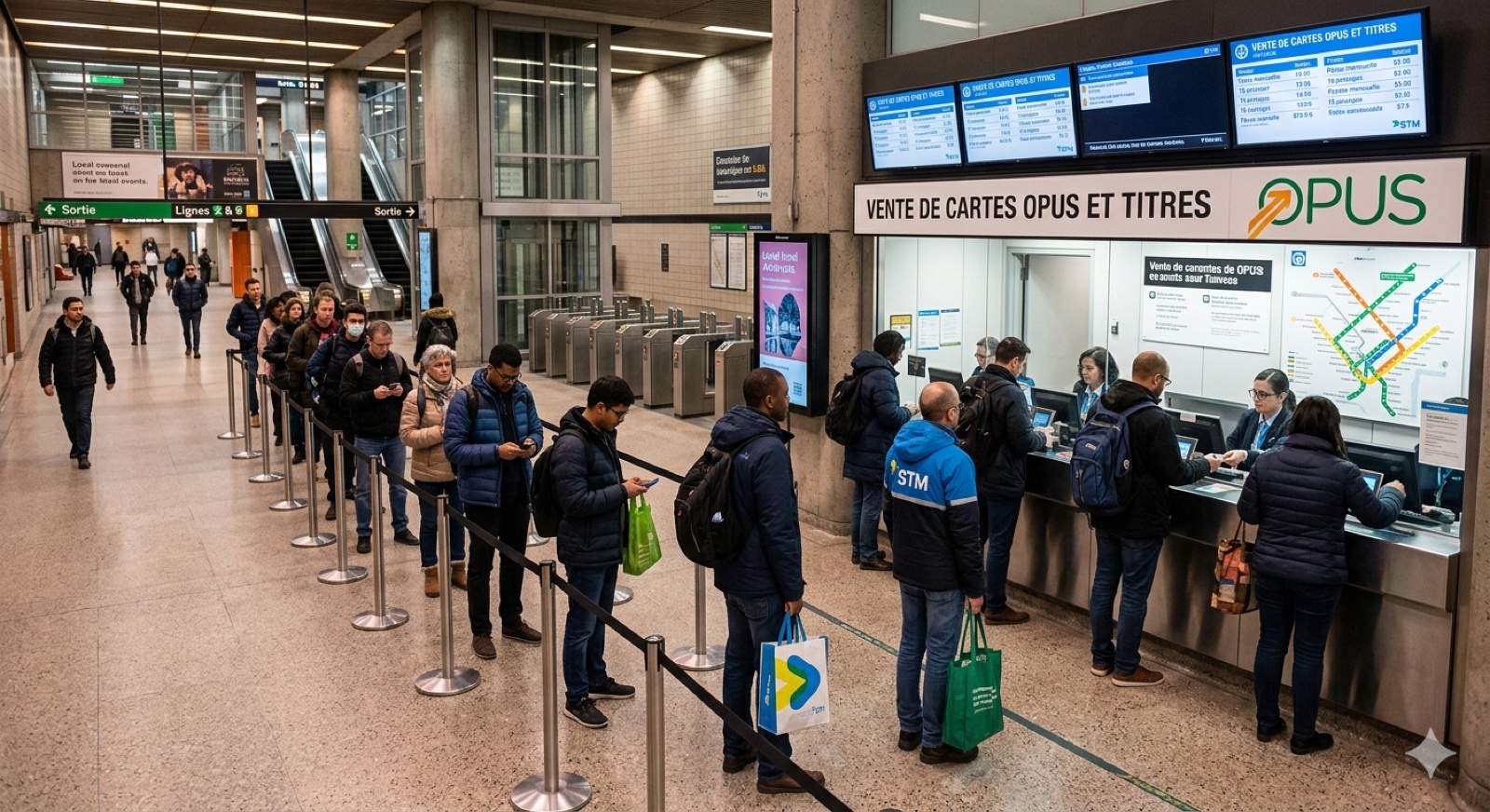
The STM is the Société de transport de Montréal. It runs the metro and the bus network on the island of Montreal. To use its services, you need an OPUS card loaded with a valid transit pass. The OPUS card is a rechargeable smart chip card. It stays with you for all your years in Montreal. It comes in two versions: The basic card — for the regular adult fare The photo OPUS card — required for re...
Finding Healthcare in Montréal
How to navigate Montreal's health network: walk-in clinics, ERs, 811 and pharmacies.
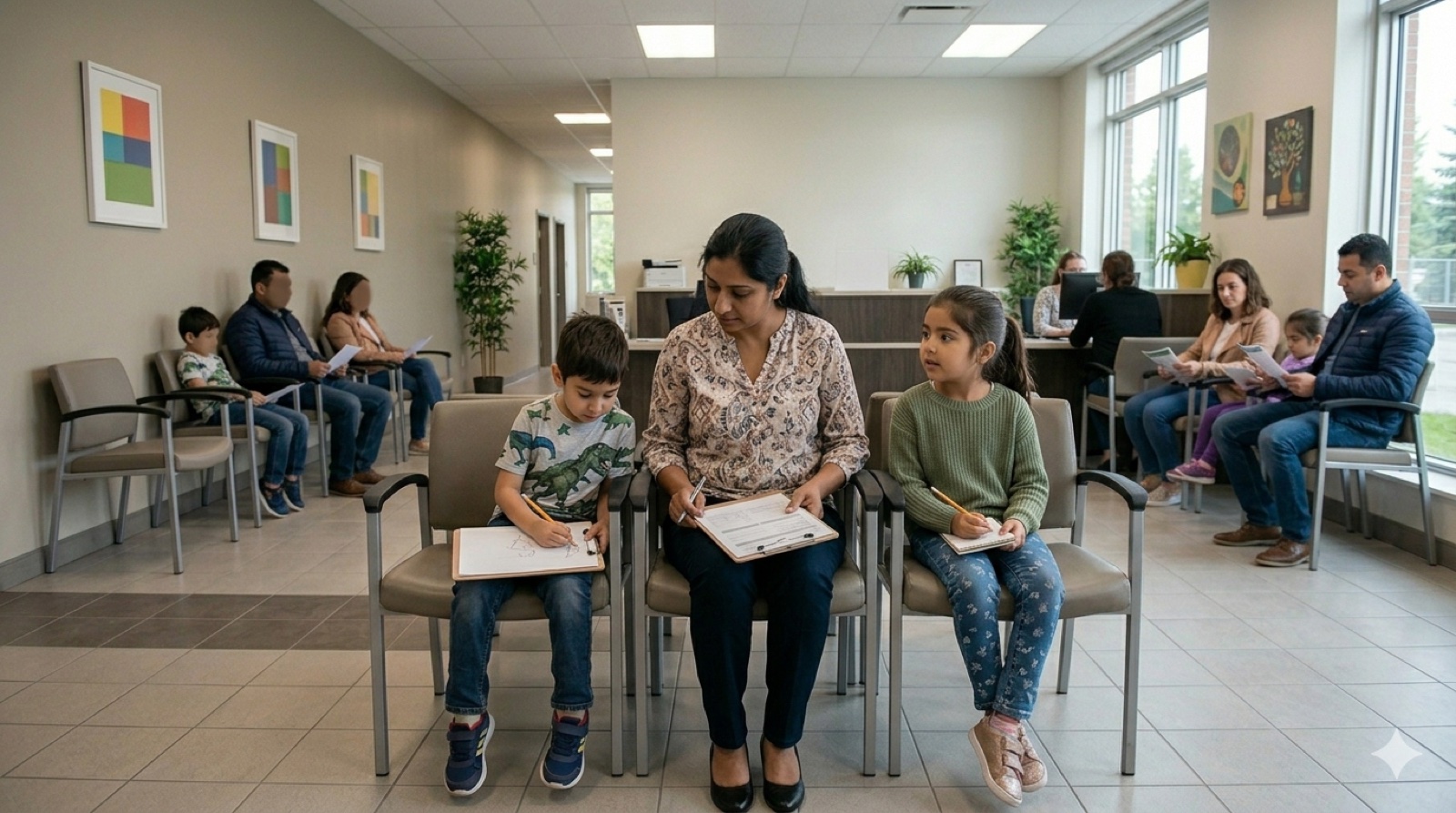
In Montreal, public health services are organized into large networks called CIUSSS — one for each part of the island. These networks run hospitals, CLSCs and public clinics. For most everyday consultations, the entry point is the walk in clinic or the CLSC in your neighbourhood. The RAMQ card — Quebec's public health insurance — typically takes three months to be issued after arrival. During t...
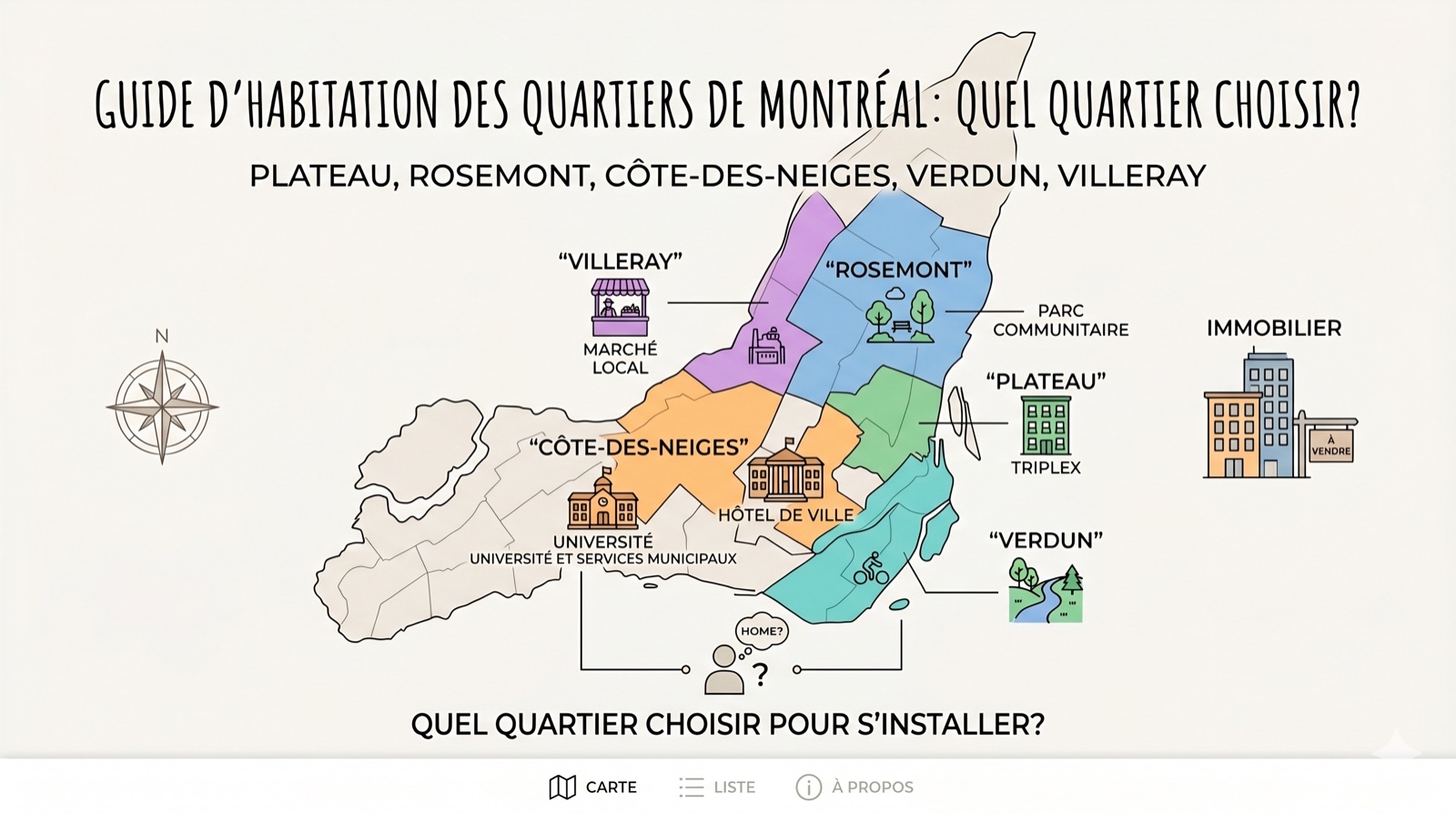
Montréal Neighbourhoods: Which One to Settle In?
Plateau, Rosemont, Côte-des-Neiges, Verdun, Villeray: a portrait of Montréal's neighbourhoods to help newcomers choose where to live.
Montréal is a city of neighbourhoods — each has its own personality, atmosphere, population and prices. When you arrive from outside, it's hard to know where to settle without some reference points. The most important criteria for a newcomer are generally: rent cost, proximity to transit, safety, presence of a familiar cultural community, school quality for families with children, and access to...
Laval(8)
View all →Job-Search Help in Laval
The free services that support newcomers in their job search in Laval — Perspective Carrière, the CIL, Services Québec.
Finding a job in Laval when you come from elsewhere means relearning local codes: résumé, interview, network, recognition of your experience. Good news: free services support newcomers at every step. Service type Organization Specialty For whom Professional integration Immigration focused NPO Credential recognition, skilled employment Recent immigrants General placement Carrefour jeunesse emplo...
Free French Classes in Laval
Where to learn French for free in Laval — Francisation Québec, Carrefour d'intercultures, Collège Montmorency — and how to register.
In Laval, French opens doors: work, children's school, services, social life. And you don't have to pay to learn it: the state funds free courses for all levels, and Laval organizations offer friendly practice. Pathway Program Paid? Intensity For whom Government Francisation Québec (MIFI) Yes (if eligible) Full time or part time Permanent + eligible temporary immigrants School board School boar...
Registering Your Child for School in Laval
The Laval school centre, Sir Wilfrid Laurier English board, and how to register your child for the school year.
In Quebec, public school is free and mandatory from age 6 to 16. In Laval, two school networks share the territory. The Centre de services scolaire de Laval (CSS de Laval) runs all the French public schools — it's the default network for the vast majority of families. The Sir Wilfrid Laurier School Board runs the English public schools, but access is restricted by law. The Charter of the French...
Finding Housing in Laval
Laval's neighbourhoods, rental market, and what to know before signing a lease in Quebec's second-largest city.
Laval is divided into six main sectors: Chomedey — the densest and most diverse, near the bridge to Montreal Sainte Rose — popular for its family homes and historic centre Vimont and Auteuil — more residential, near highway 440 Pont Viau and Laval des Rapides — next to Cartier metro Sainte Dorothée and Laval Ouest — quieter and wooded Duvernay and Saint Vincent de Paul — in the east, traditiona...
Newcomer Support Organizations in Laval, by Need
The free organizations that welcome and support newcomers in Laval — settlement, French, employment — and where to start.
Settling in a new city is heavy: paperwork, housing, French, work, children's school. Good news: in Laval, organizations funded by the Ministère de l'Immigration welcome immigrants for free and support them at every stage. These services are free, confidential, and open regardless of status in many cases. This guide presents Laval's main organizations, by type of need. For general welcome and s...
Parks and Outdoor Activities in Laval
Centre de la nature, urban parks, bike paths and winter activities in Laval.
The Centre de la nature, in the Saint Vincent de Paul sector, is Laval's largest urban park. It spans about 50 hectares with a lake, walking trails, picnic areas, a farm with animals, a greenhouse, and an outdoor climbing wall. In summer, you can rent paddle boats; in winter, the lake freezes into a skating rink. Entry is free, and parking too. Laval has over 200 neighbourhood parks. A few wort...
First Steps in Laval
Everything you need to start life in Laval: city services, essential errands, neighbourhood landmarks.
Laval is Quebec's third largest city after Montreal and Quebec City, with over 440,000 residents. It sits on an island — île Jésus — directly north of Montreal, connected by several bridges. Laval is a modern city with large shopping centres like Carrefour Laval, schools, hospitals, and quick metro access to downtown Montreal. Laval City Hall is the main entry point for municipal services: perm...
Public Transit in Laval: STL, Metro and OPUS
How to use the STL bus network and the metro to get around Laval and into Montreal.
In Laval, public transit relies on two complementary networks. The STL, Société de transport de Laval, runs the local buses covering all of Laval. Montreal's metro — the orange line — has three stations in Laval that reach downtown Montreal in about twenty minutes. The OPUS card pays for all networks in Greater Montreal. The orange line crosses Laval with three stations: Cartier — near the brid...
Longueuil(6)
View all →Registering Your Child for School in Longueuil
The CSS Marie-Victorin, the Riverside School Board, and how to register your child for the school year.
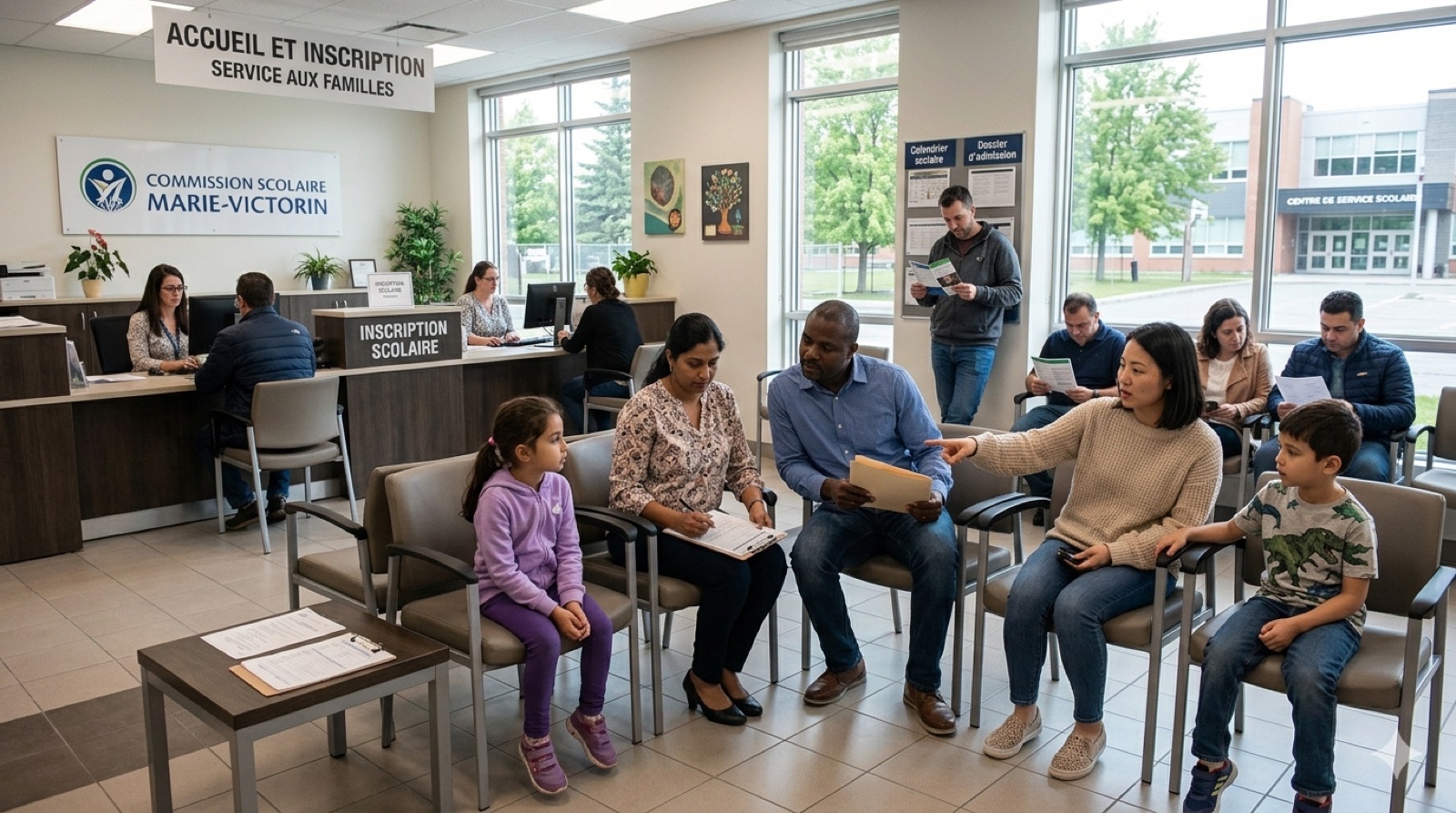
In Quebec, public school is free and mandatory from 6 to 16. In Longueuil, two school networks share the territory. The Centre de services scolaire Marie Victorin runs the French public schools. The Riverside School Board runs the English public schools, several of which are in Greenfield Park. The Charter of the French Language — often called Bill 101 — restricts access to English public schoo...
Finding Housing in Longueuil
Longueuil's boroughs, the rental market, and what to know before signing a lease.
Longueuil has three boroughs with distinct characters: Vieux Longueuil — historic centre, densely populated, near the metro Saint Hubert — more suburban and residential, home to the regional airport Greenfield Park — quieter, predominantly English speaking Budget roughly $1,100 to $1,400 per month for a 4½. The Vieux Longueuil, near the metro, is the priciest. Saint Hubert and Greenfield Park a...
Newcomer Support Organizations in Longueuil, by Need
The free organizations welcoming newcomers in Longueuil and the South Shore — settlement, French, integration — and how to start.
Longueuil and the South Shore welcome many newcomers, and organizations funded by the Ministère de l'Immigration are there to support them for free: paperwork, housing, French, social and professional integration. No need to figure it all out alone or pay for everything. Carrefour le Moutier has supported immigrants in their settlement and integration steps for decades. On the settlement side, ...
First Steps in Longueuil
City services, essential errands and neighbourhood landmarks for starting life in Longueuil.
Longueuil is one of Quebec's largest cities, with about 250,000 residents. Located on the South Shore of Montreal, directly across from downtown, it's connected to Montreal by the Jacques Cartier bridge and the yellow metro line. Longueuil includes several historic boroughs: Vieux Longueuil, Saint Hubert, and Greenfield Park, each with its own character. Longueuil City Hall handles municipal se...
Public Transit in Longueuil
The RTL, the metro yellow line, and the OPUS card — everything for getting around Longueuil.
The RTL, or Réseau de transport de Longueuil, is the bus operator for the Longueuil agglomeration. It serves Longueuil, Brossard, Saint Lambert, Boucherville and Saint Bruno de Montarville. More than 80 routes cover the territory, with high frequency at rush hour. Montreal's metro yellow line crosses the river and ends at Longueuil–Université de Sherbrooke station. It is the only direct metro a...
Vieux-Longueuil, Parks and Leisure
Vieux-Longueuil, Parc Michel-Chartrand, the riverfront promenade, and leisure activities.
Vieux Longueuil is the city's historic centre, organized around Saint Charles Street. You'll find restaurants, cafés, summer terraces, art galleries and independent shops. The Co Cathedral of Saint Antoine de Padoue, from the 19th century, marks the heart of the area. This is where Longueuil residents go out on Saturday night, and it is also the most accessible neighbourhood by transit from the...
Terrebonne(5)
View all →Registering Your Child for School in Terrebonne
The Centre de services scolaire des Affluents and how to register your child for the school year.
In Quebec, public school is free and mandatory from 6 to 16. The Centre de services scolaire des Affluents runs the French public schools. English schools fall under the Sir Wilfrid Laurier School Board, but access is limited by law. The Charter of the French Language — Bill 101 — restricts access to English school. Generally, one of the parents must have received their elementary education in ...
Île-des-Moulins, Parks and Leisure in Terrebonne
The Île-des-Moulins historic site, urban parks and outdoor activities in Terrebonne.
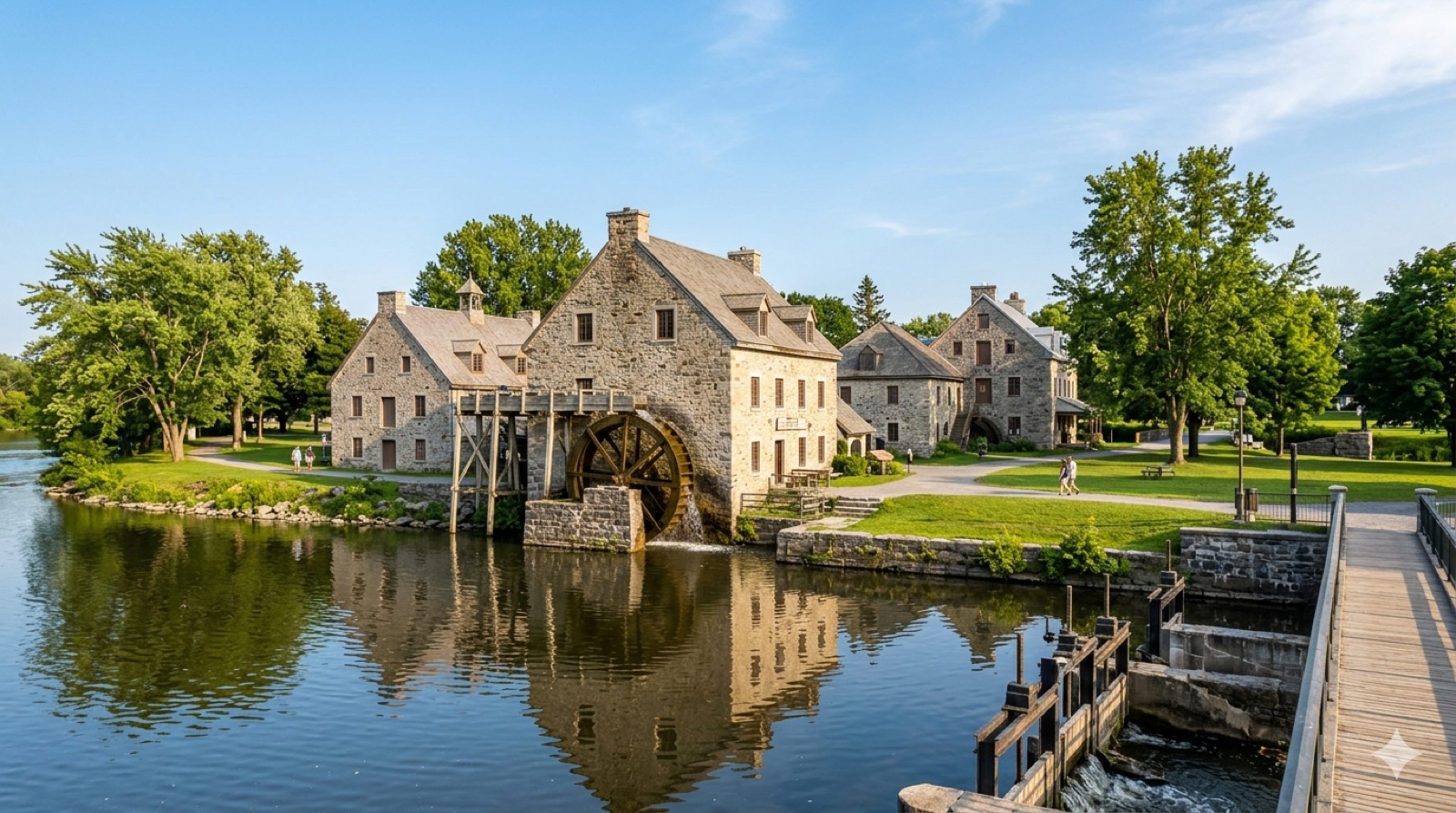
The Île des Moulins is a national historic site at the heart of Terrebonne. Built on an island in the Rivière des Mille Îles, it groups five 18th and 19th century buildings, including a flour mill, a sawmill, a bakery and a seigneurial office. Access is free; exhibitions and events run during summer. Vieux Terrebonne is the heritage district surrounding the Île des Moulins. You'll find ancestra...
Finding Housing in Terrebonne
Terrebonne's sectors, the rental market, and the standard Quebec lease.
Terrebonne has three main sectors with distinct profiles. The table compares vibe, exo Mascouche train access and family profile. The choice depends on your lifestyle and your proximity to the train or highway. Central Terrebonne is ideal for car free commuters. Lachenaie suits two car families. La Plaine attracts those wanting calm and space. Sector Vibe exo Mascouche train Profile Terrebonne ...
First Steps in Terrebonne
Settling in Terrebonne: city services, housing, transit to Montreal, schools and the essentials for your first weeks.
Terrebonne is a city in the Lanaudière region, north of Montreal, with over 120,000 residents. It includes several sectors: Terrebonne (including Vieux Terrebonne), Lachenaie, and La Plaine. The city offers a suburban lifestyle, with a lively historic centre and quick access to highways 40 and 640. Before getting into municipal service details, here's an overview of the three main sectors to or...
Transit in Terrebonne: exo Mascouche and OPUS
How to use the exo Mascouche train line and local buses to get around Terrebonne and into Montreal.
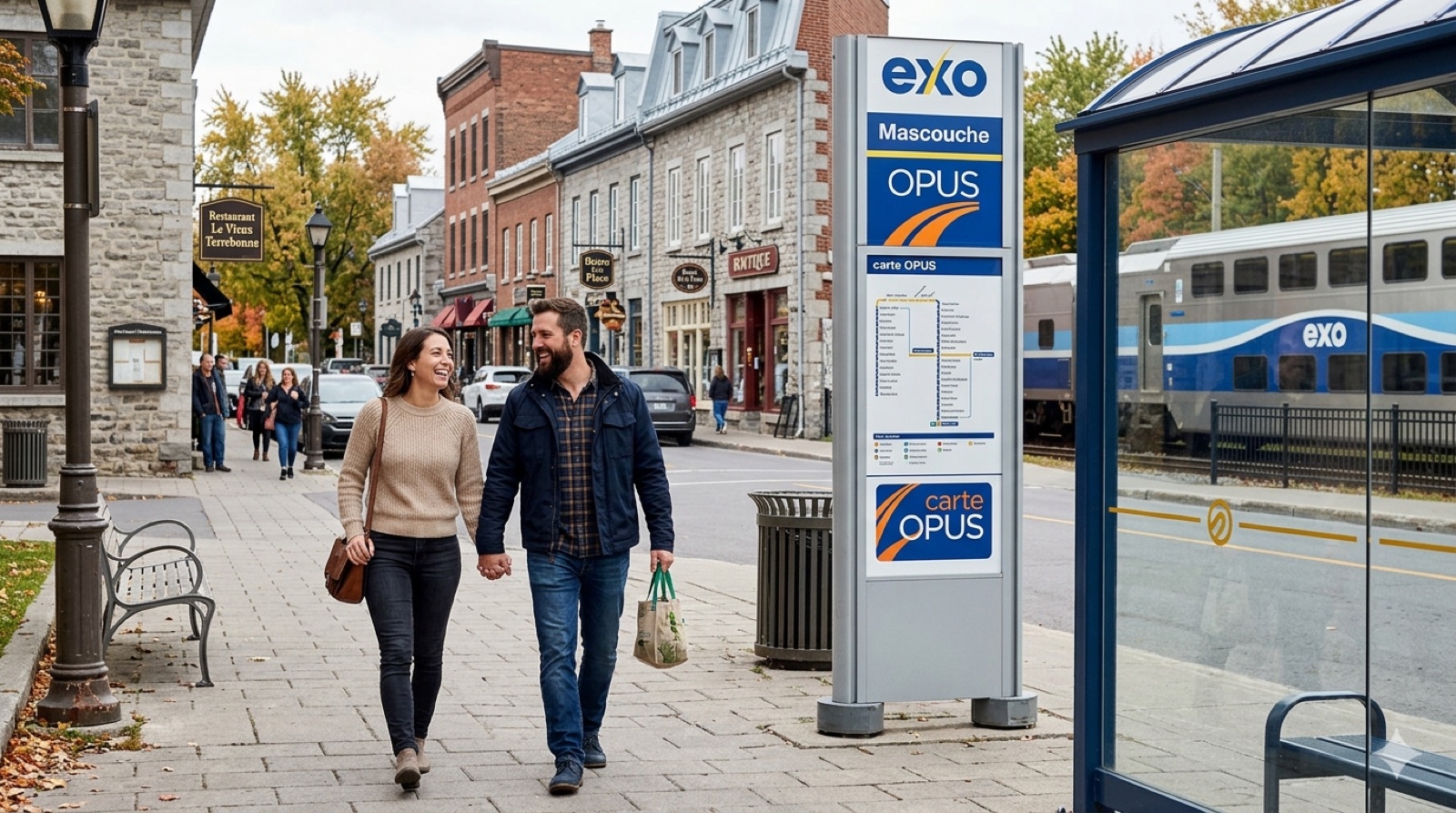
Terrebonne is served by exo, Greater Montreal's regional train and bus network. The Mascouche train line connects Terrebonne to downtown Montreal in about one hour, with a stop at Central Station. exo also runs several bus routes covering Terrebonne and the north shore. The Mascouche line serves several stations in the area: Terrebonne, Mascouche and Sainte Thérèse. Each station has free park a...
Brossard(5)
View all →BCITI Brossard Card: How to Get Your Free Resident Card
Learn how to get your resident card to access libraries, leisure activities, and city digital services.
The BCITI card is a digital or physical resident card. It is free and mandatory to register for leisure activities and borrow books from the library. You can create your profile online at brossard.ca or via the BCITI+ app. If you prefer, you can go in person to City Hall or the Georgette Lepage library. To validate your account, you must provide proof of residence such as a Hydro Québec bill or...
Library and Leisure Activities in Brossard
Everything you can do with your BCITI card: borrow books, sign up for workshops, access free city activities.
The Georgette Lepage library is one of the best entry points to discover Brossard. All services are free for residents: book and film loans, internet access, French language workshops, computer stations, study rooms. You'll also meet your first neighbours there. The Georgette Lepage library is located at 7855 avenue San Francisco, next to City Hall. It is usually open Monday to Saturday, and cl...
Registering Your Child for School in Brossard
The school system in Brossard, how to register your child, and what you need to know about welcome classes for newcomer students.
In Quebec, public school is free and mandatory from age 6 to 16. In Brossard, two school networks share the territory. The Centre de services scolaire Marie Victorin runs the French public schools — it's the default network for the vast majority of families. The Riverside School Board runs the English public schools, but access is restricted by law. The Charter of the French Language — often ca...
Parks and Outdoor Activities in Brossard
Parc de la Cité, bike paths, skating and sports — how to enjoy Brossard's green spaces year-round.
Parc de la Cité is Brossard's largest municipal park. It spans nearly 100 hectares, with a large lake, walking trails, bike paths, picnic areas, children's play structures, and an outdoor amphitheatre. This is where the city hosts its summer festivals, free concerts and fireworks. Entry is free and there is no parking fee. Brossard has more than 100 neighbourhood parks. A few worth exploring: P...
Getting Around Brossard: REM, RTL and OPUS
How to use the REM light metro, RTL buses and the OPUS card to get around Brossard and into Montreal.
In Brossard, three transit networks work together. The REM is the light metro linking Brossard to downtown Montreal in about 18 minutes. The RTL runs the local buses in Brossard and Longueuil. The OPUS card lets you pay on both networks and across the entire metropolitan system. The REM opened in 2023. In Brossard, three stations connect you to the network: Brossard, Du Quartier and Panama. Tra...
Repentigny(5)
View all →Registering Your Child for School in Repentigny
Enrolling your child in school in Repentigny: the Centre de services scolaire des Affluents, documents, the welcome class, enriched programs and transport.
In Quebec, public school is free and mandatory from age 6 to 16. The Centre de services scolaire des Affluents runs the French public schools, serving both the Repentigny and Le Gardeur sectors. English schools fall under the Sir Wilfrid Laurier School Board. The Charter of the French Language — Bill 101 — restricts access to English school. Generally, one parent must have received the majority...
Finding Housing in Repentigny
Repentigny's sectors, the rental market, and the standard Quebec lease.
Repentigny has two main sectors: Repentigny — historic and denser sector, near the river Le Gardeur — more suburban, large family homes Budget on average $950 to $1,250 per month for a 4½. Single family rental homes are rare — most residents are homeowners. In Quebec, every lease uses the official form from the Tribunal administratif du logement. The standard rental period runs July 1 to June 3...
Parks, Leisure and Culture in Repentigny
The Centre d'art Diane-Dufresne, Centre aquatique Jacques-Dupuis, Bibliothèque Robert-Lussier, parks and activities in Repentigny.
Repentigny has about 86,000 residents (2021 census) — projected 90,000+. A city with a remarkable cultural life for its size. The Centre d'art Diane Dufresne (opened November 2015) is the main hall for exhibitions and cultural programming: 1,365 m² Exhibition hall for contemporary art Multifunctional hall for shows Cultural mediation room Teaching area Annual programming: exhibitions, concerts,...
First Steps in Repentigny
Settling in Repentigny: city hall procedures, libraries and citizen services, waste collection, first administrative steps and Repentigny vs Le Gardeur.
Repentigny is a city in the Lanaudière region, east of Montreal, with about 86,000 residents (2021 census) and a projection around 90,000. It comprises two main sectors: Repentigny, the historic sector near the river, and Le Gardeur, more suburban with large family homes. Located at the confluence of the Saint Laurent river and the L'Assomption river, it offers a family friendly setting with ac...
Public Transit in Repentigny: exo and OPUS
Getting around Repentigny: the exo bus network, fares and passes, and the best options for commuting to Montreal every day.
Repentigny is served by exo, Greater Montreal's regional train and bus network. In Repentigny, service is mainly provided by express bus lines connecting the city to Radisson metro in east end Montreal, in about 30 minutes at rush hour. Several express and local bus routes serve Repentigny. Express buses to Montreal leave from several park and ride lots, notably at exit 22 of Highway 40. Check ...
From Bécancour to Trois-Rivières.
Housing, transit, local schools: every guide also exists for your city, with real addresses and figures.
7 regions · 18 cities
All cities