Le Québec a un riche tissu communautaire — des aides existent à chaque étape.
1. Why know community organizations
In Quebec, community organizations offer for free:
- Administrative accompaniment
- Informal French classes
- Food aid and clothing
- Childcare and family support
- Psychological support and accompaniment
2. Newcomer organizations
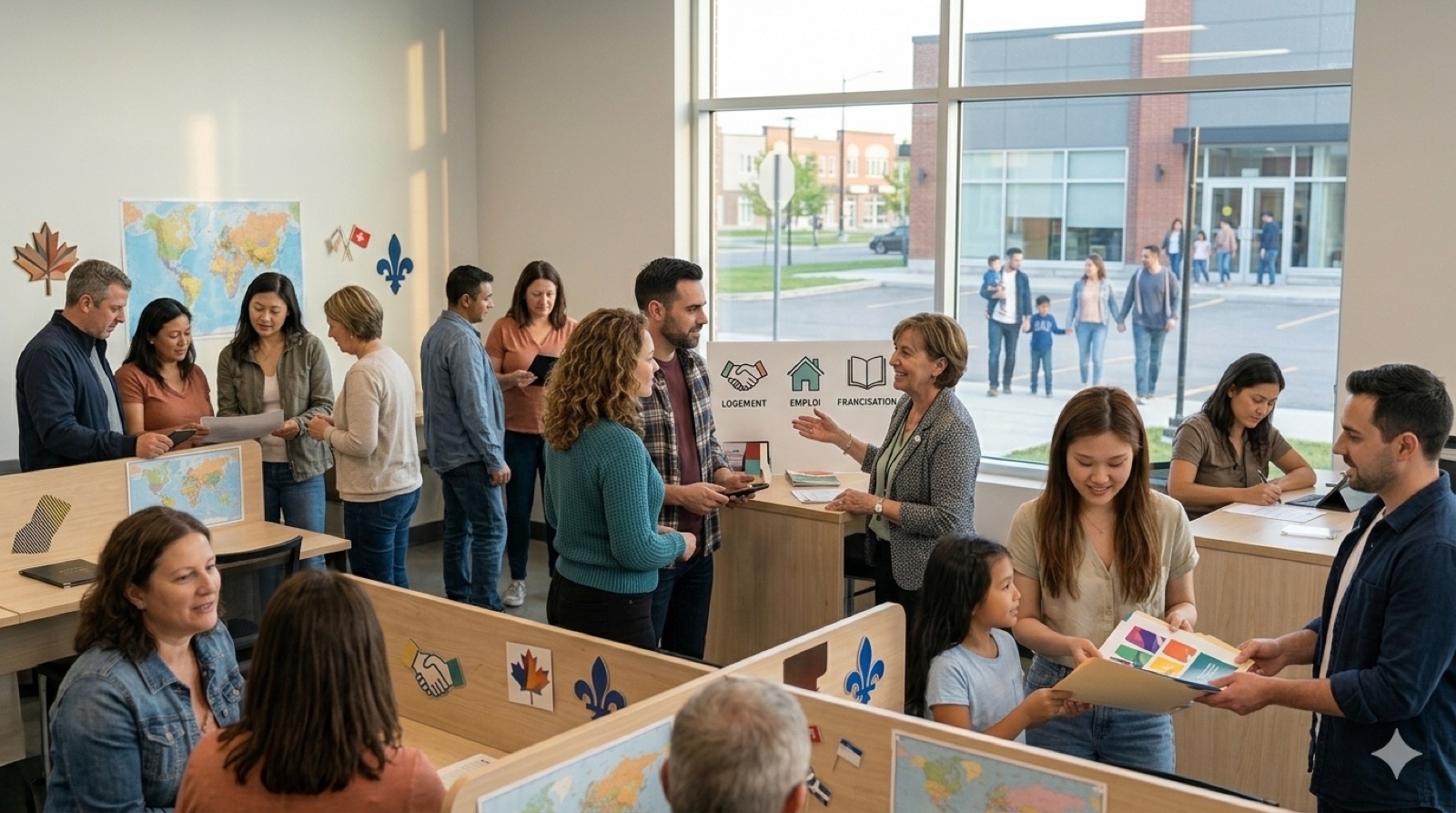
Some specialized organizations for immigrants:
- In Montreal: CARI Saint-Laurent, PROMIS, Hirondelle, COFFRET, CSAI
- In Quebec City: Centre Multiethnique de Québec
- In Sherbrooke: Service d'aide aux Néo-Canadiens
- In Laval: Carrefour d'intercultures de Laval
Search « organisme accueil immigrants » plus your city.
3. Food banks
Food bank:
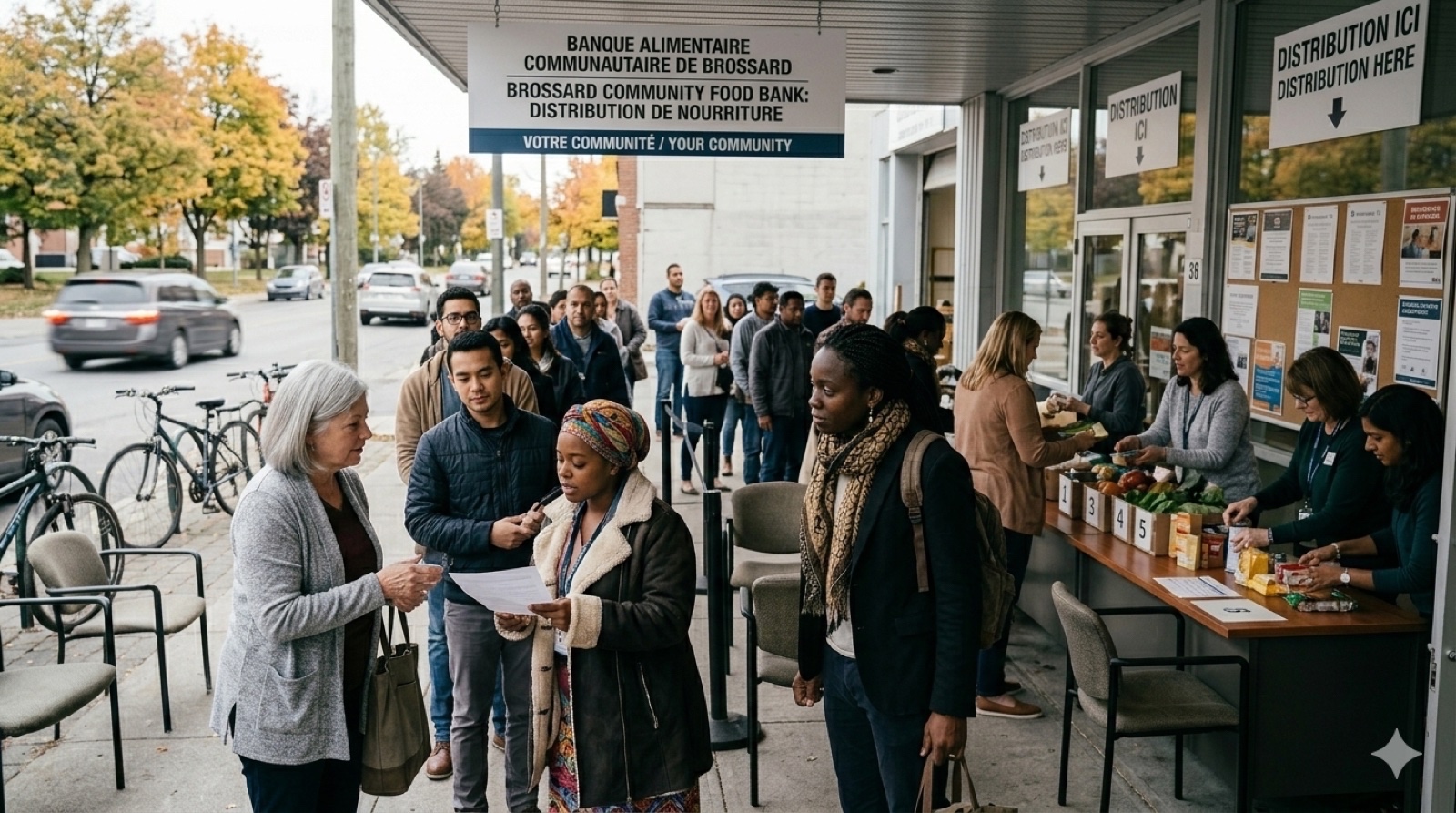
- Banques alimentaires du Québec: 1,300+ organizations
- Moisson Montréal, Moisson Québec, Moisson Outaouais...
- No shame in going — that's what they're for
4. Thrift stores and used furniture
Thrift store and used furniture:
- Renaissance, Village des Valeurs, Armée du Salut
- Clothing at 80 to 90% off
- Used furniture with free delivery in some cases
5. Public libraries
Municipal libraries are free:
- Books in French for learning
- Computers and free Internet
- Free workshops (computing, francisation, reading to kids)
- Free registration with proof of residence
6. Neighborhood community centres
Neighborhood community centres:
- Cooking, sports, leisure classes
- Family outings and discussion groups
- Excellent for meeting Quebecers and breaking isolation
7. 211 — services directory
211:
- Free, confidential, 7 days a week
- Directs you to the services that match your need
- Simply dial 211
8. Which resource for which need
Quebec's community resources are many, but each matches a specific need. The general rule: everything is free for newcomers, and no resource asks your immigration status before helping you.
If you don't know where to start, dial 211. The line directs you to the right resource based on your situation, without you needing to know the organization names in advance.
For families with children, the Maisons de la famille in your neighborhood are often the first door — they offer occasional childcare, parent workshops and meet-up cafés. For single newcomers, neighborhood community centres are the most direct path to breaking social isolation.
| Resource | For what | Cost | For whom |
|---|---|---|---|
| SANA / welcome organization | Procedures, francisation, accompaniment | Free | Newcomers |
| Food bank | Food baskets | Free | Tight budget |
| Thrift store | Clothing, small furniture | 80–90% off | All |
| Municipal library | Books, computers, workshops | Free | Residents |
| Community centre | Leisure, cooking, sports | Free or symbolic | Families, isolated |
| 211 | Direction to everything else | Free, 7/7 | All |
| Maison de la famille | Parent support, occasional childcare | Free or symbolic | Families |
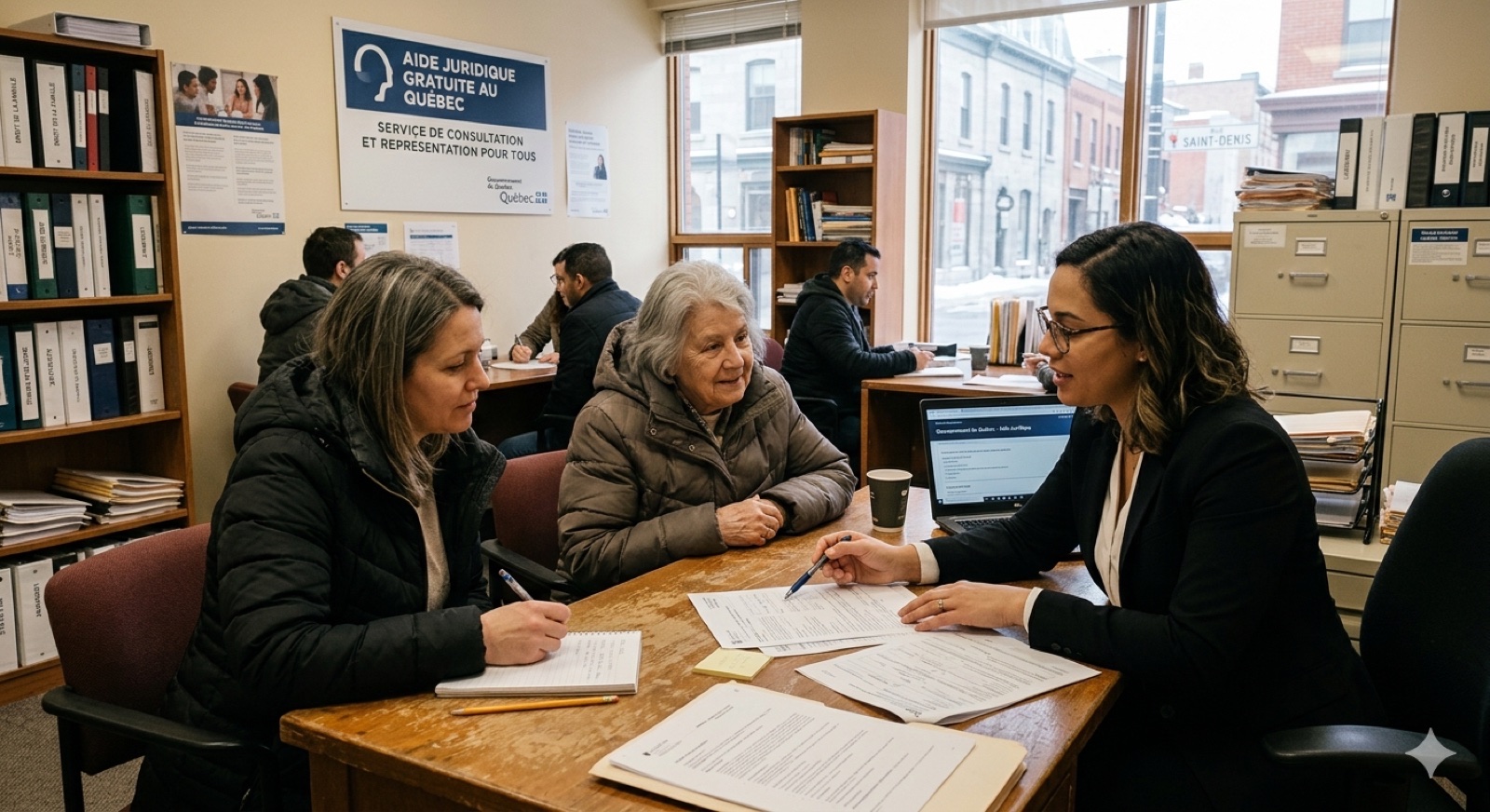
| Legal aid | Basic legal advice | Free by income | Low income |
9. Frequently asked questions
The most common questions newcomers ask about community resources: whether you need to be a citizen or permanent resident to access them, how a first visit to a food bank works, whether you can get help without speaking French, and what to do in an emergency outside normal hours.
Do you need to be a citizen or permanent resident to access community resources?
No. The vast majority of community organizations in Quebec help people regardless of immigration status — including asylum seekers, temporary workers, international students, and people without status.
Food banks, thrift stores, neighborhood centres and municipal libraries do not require status proof. Some services funded by specific government programs, like full francisation or certain financial aid, do require permanent or temporary status — but the doors of the community organizations themselves remain open.
What happens on a first visit to a food bank?
Simple and respectful. Most food banks ask for proof of address (utility bill, lease) and basic ID, plus a brief account of household composition: how many adults, how many children. No detailed financial inspection — the principle is trust, not interrogation.
You usually receive a basket of staples (pasta, rice, canned goods, sometimes fresh produce or bread) for several days. The rhythm varies — once a week or every two weeks — depending on the organization. No need to make a big presentation: walk in, say it's your first time, and someone will guide you.
Can you get help without speaking French?
Yes, but it depends on the organization. In Montreal, Laval and Gatineau, many community organizations have at least one staff member who speaks English, Spanish, Arabic or Mandarin. Outside the big cities, French is much more dominant.
The 211 line answers in French and English. Specialized newcomer organizations like CARI Saint-Laurent, PROMIS or the Centre Multiethnique de Québec specifically train their staff to work with non-French speakers. If your French is hesitant, don't avoid the resource — bring a friend or family member to translate, or write down your questions in advance.
What to do in an emergency outside opening hours?
It depends on the type of emergency.
- Medical emergency: 911 (life-threatening) or 811 (Info-Santé, nurse, 7/7).
- Mental health crisis: 988 (suicide prevention line, 24/7) or 1 866 APPELLE (1 866 277-3553).
- Woman in a violent situation: SOS Violence conjugale at 1 800 363-9010, available 24/7.
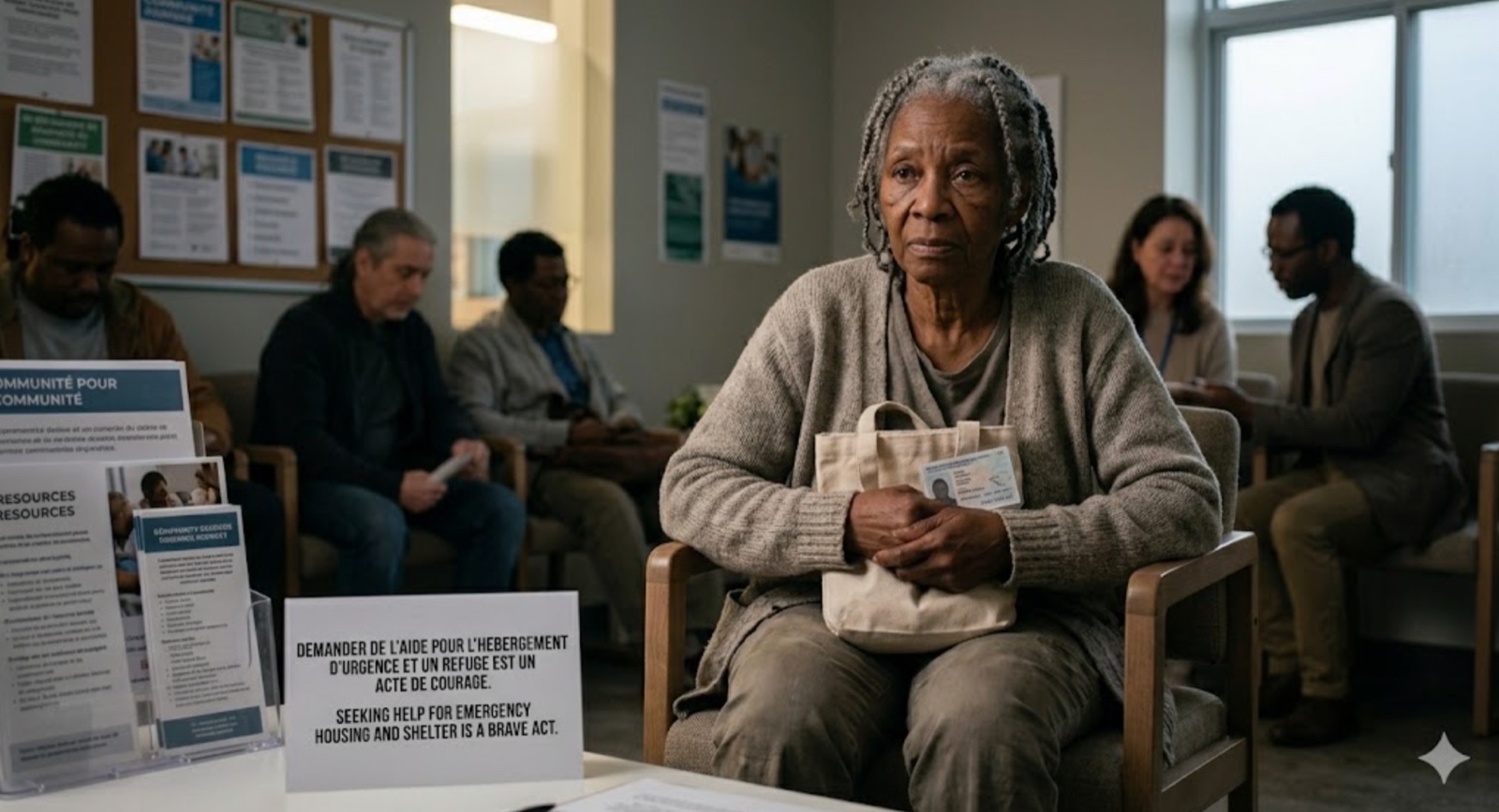
- Shelter in extreme cold: several cities run emergency shelters from December to March — dial 211 even at night, you'll be redirected.
The 211 itself doesn't operate 24/7 in every region, but its directory includes night and weekend services.
10. See also
These related guides may be useful:
- Free legal aid in Quebec — a specific community resource for your rights, to know before paying a lawyer.
- Essential government websites in Quebec — the official-services directory complementary to the community 211.
- Common scams in Quebec — community organizations are also relays for preventing and reporting frauds targeting newcomers.
- Domestic Violence in Quebec: Getting Help and Staying Safe — a critical community resource if you or someone you know needs help and safety.
11. Official sources
For official information:
Author's Note: If you only remember one phone number today, remember 211. It's the gateway to Quebec's entire support system. No immigration journey is easy, but you're not alone.