Les arnaques au Québec — restez vigilant et signalez.
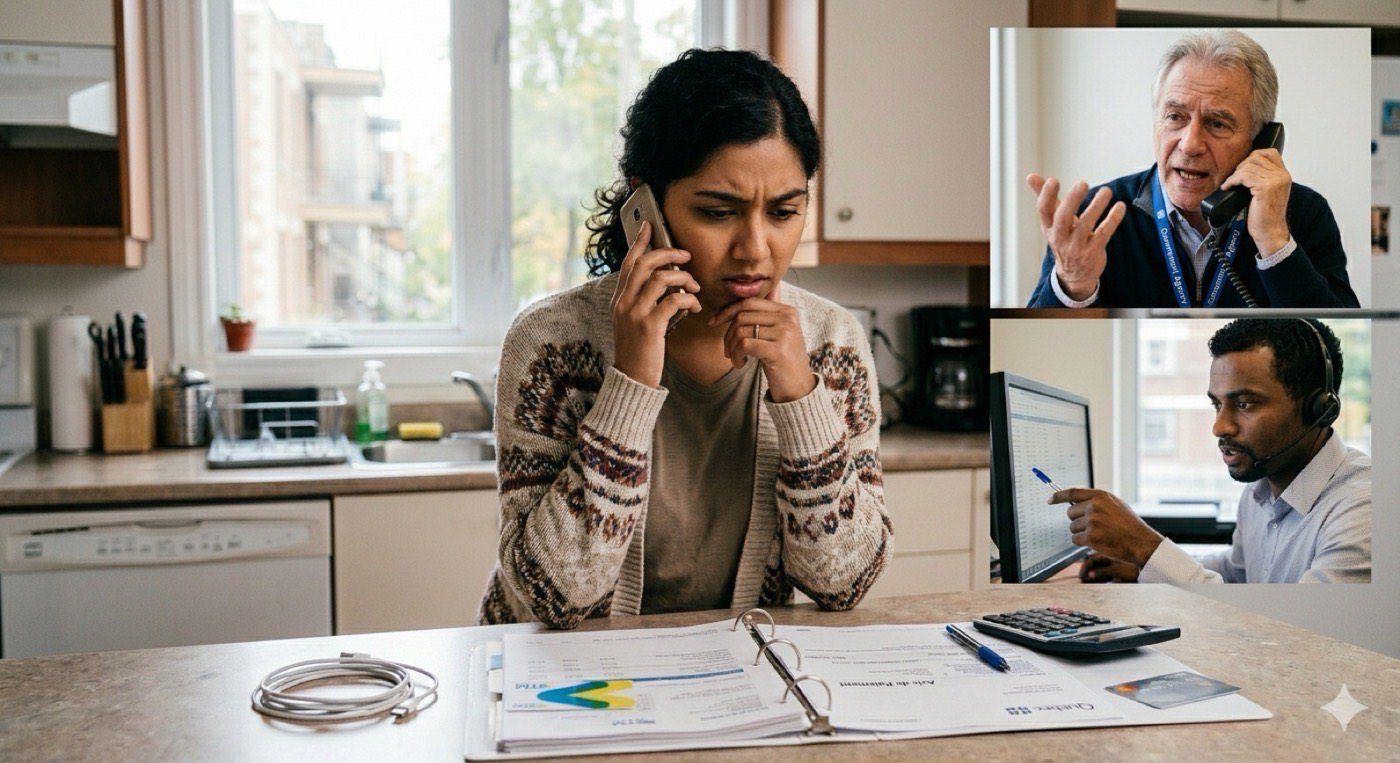
1. The CRA phone scam
The « threatening CRA » scam: a fake agent calls about an invented debt.
Signs: arrest threats, immediate payment demanded in gift cards or Bitcoin.
The real CRA NEVER does this. Hang up immediately.
2. Fake Service Canada / IRCC calls
Variation targeting immigrants: a fake Service Canada or IRCC agent threatens deportation.
The Canadian government never calls to threaten or demand immediate payment. Hang up.
3. Real vs fake government contact: concrete cues
Real agencies follow very specific rules on how they contact you. Learning these rules is the strongest defense: a single criterion that deviates is enough to identify a scam, with no hesitation.
The reflex to train: hang up or delete the message as soon as a single criterion flips to the scam side. You owe a fraudster no politeness.
If the call seemed credible, call the organization back yourself at the number published on its official website — never at the number the caller gave you. For the CRA, the verification number is in My Account; for IRCC, in your secure online account.
| Criterion | Real agency (CRA, IRCC, bank) | Typical scam |
|---|---|---|
| Tone of the call | Calm, professional | Pressure, threats |
| Payment method requested | None by phone | Gift cards, Bitcoin, e-transfer |
| Immediate arrest threat | Never | Often |
| Full SIN requested | Never on unsolicited call | Routinely |
| Deadline imposed | Letters, weeks to months | Now, or else... |
| Verification possible | Call back the official number | Number is dictated to you |
| Link in email | You type the address yourself | Click here |
| Agent identification | Name + badge on request | Vague, refuses to repeat |
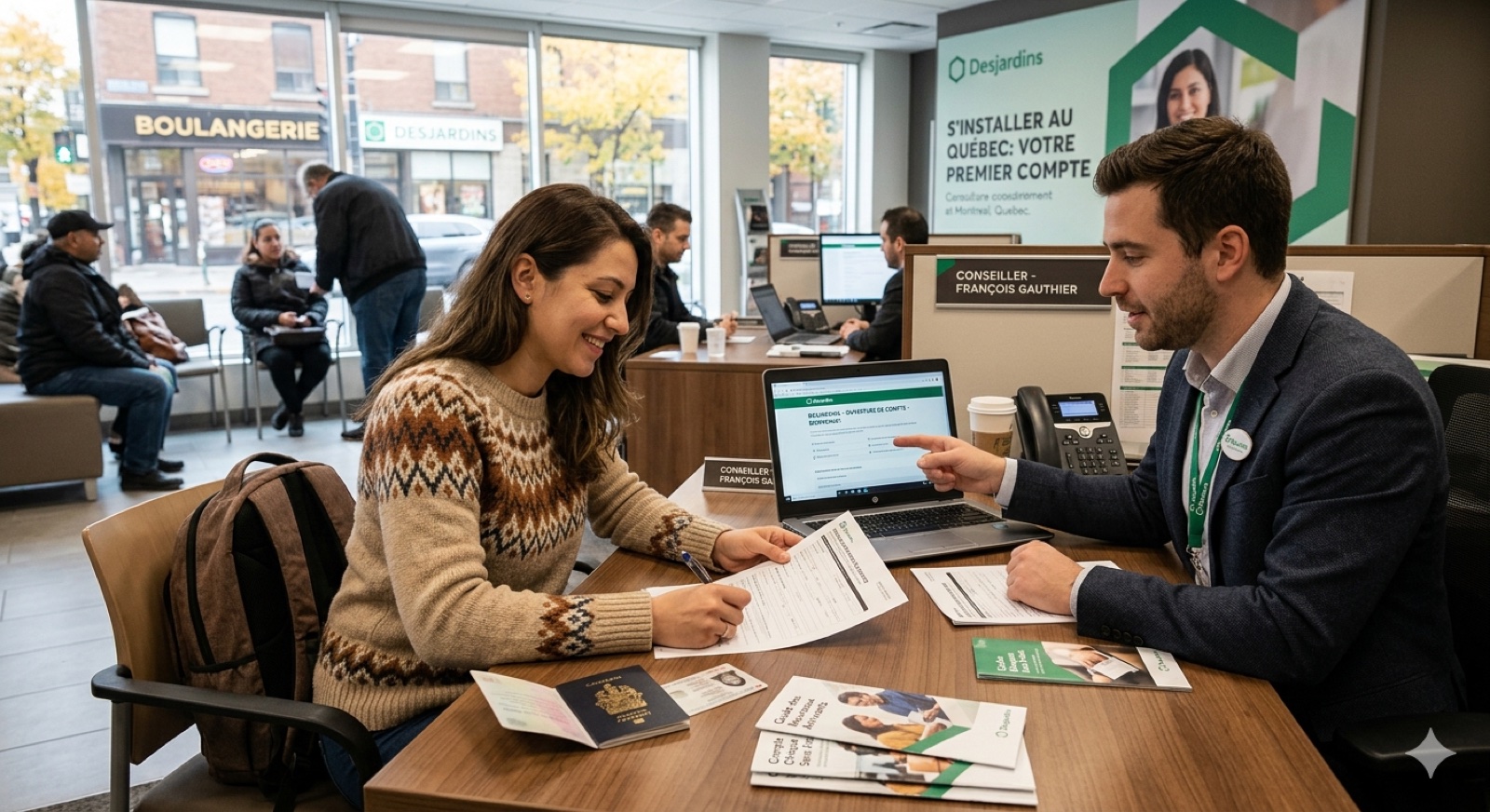
4. Fake bank emails
Fake bank emails (phishing): « Problem with your account, click here. »
- NEVER click on the links
- Go directly to your bank's site (type the address yourself)
- When in doubt, call your bank
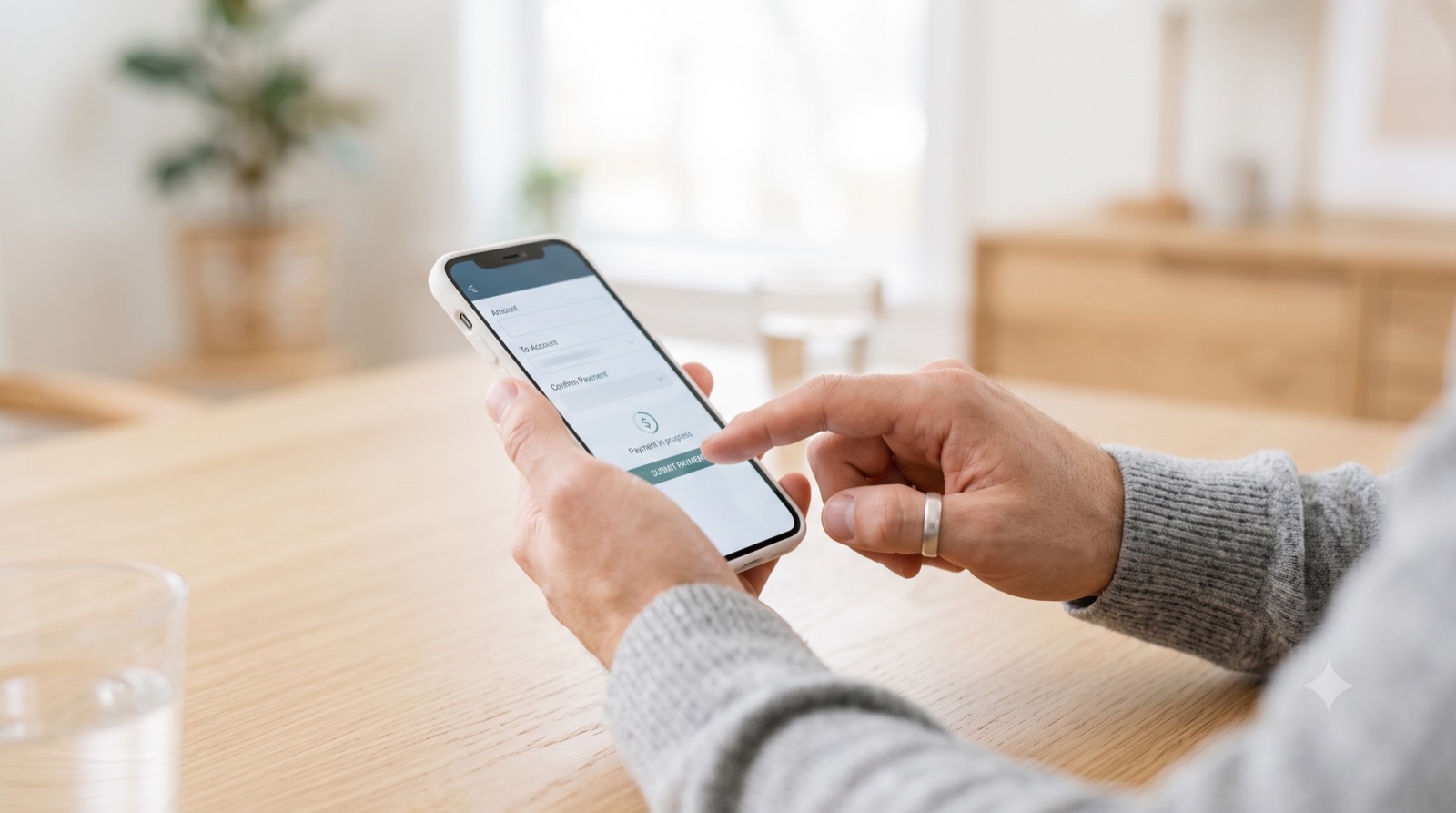
5. SMS and Interac e-transfer scams
SMS scams (text-message phishing) have exploded since 2023: a fake Canada Post message about a stuck parcel, a fake CRA message about a refund, a fake mobile carrier message about an unpaid bill.
All contain a shortened link to a site that mimics the brand and captures your banking information. The rule is the same as with emails: never click the link in an unsolicited SMS.
For Interac e-transfers, two dangers: the fake money request that seems to come from a relative or a merchant — always confirm by phone before authorizing. And the hijacked incoming transfer — the fraudster intercepts the security question via phishing.
Use auto-deposit when your bank offers it — with no security question, this vector disappears.
6. Job scams
Job scams: too-good-to-be-true offers + upfront fees requested.
- No legitimate employer asks a candidate for money
- Beware of WhatsApp and unsolicited offers
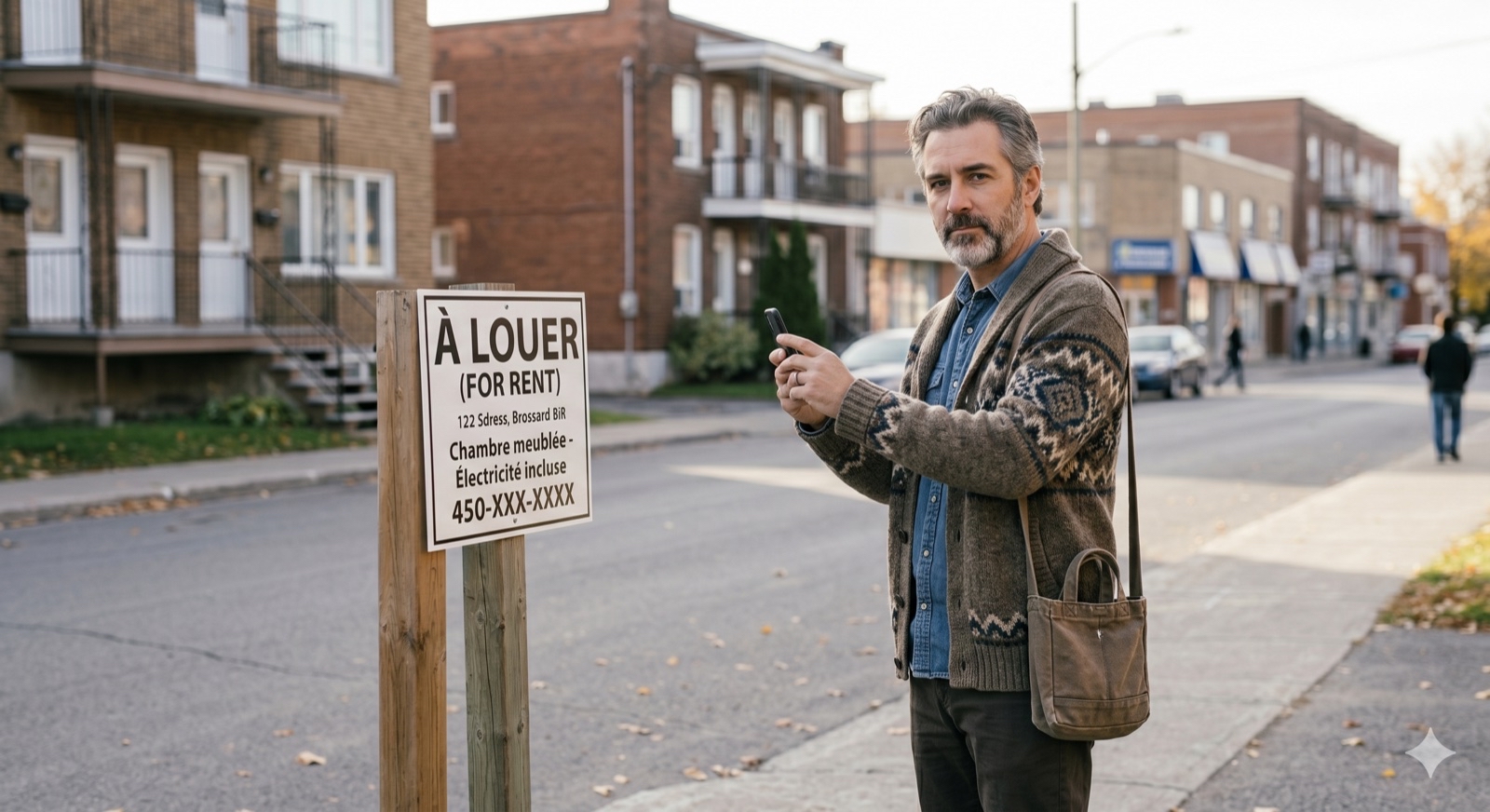
7. Rental scams
Rental scams: low price, landlord abroad, deposit before viewing.
- ALWAYS visit in person before paying
- Sign an official lease from Quebec (standard TAL form)
- No deposit is legal in Quebec except the first month's rent
8. How to report fraud
To report fraud:
- Canadian Anti-Fraud Centre: 1-888-495-8501
- More reports = better prevention
- Local police: if there is a financial loss
9. Frequently asked questions
The most common questions about scams in Quebec: what to do if you have already paid, how to verify that a call is legitimate, what to expect after a report, and who to contact for identity theft.
I have already paid a fraudster. Can I get my money back?
It depends on the payment method.
- Gift card or Bitcoin: recovery is almost impossible — these payments are designed to be irreversible.
- Interac e-transfer: contact your bank within minutes; some transfers can be cancelled if the recipient has not yet accepted them.
- Credit card: ask your bank to dispute the transaction — most issuers reverse a fraudulent transaction.
- Bank wire: contact your bank immediately; international wire-recall rarely succeeds.
In all cases, file a complaint with local police and the Anti-Fraud Centre. Keep all messages, screenshots and receipts as evidence.
How can I check in 30 seconds that a call is really from CRA or IRCC?
A simple test: tell the caller you'll hang up and call back.
- A real agent will accept without resistance and may give you a file number to mention on the callback.
- A fraudster will pressure you to stay on the line or threaten consequences if you hang up.
Then verify by calling the official number on canada.ca — never the one given by the caller. Don't trust the number on your call display: caller ID can be spoofed.
What happens after a report to the Anti-Fraud Centre?
The Anti-Fraud Centre is an information-collection agency, not an investigation force. Your report is added to a national database and shared with police services and partner banks.
You won't necessarily get a personal follow-up, and your money is unlikely to be recovered by the Centre directly. For an actual investigation of your individual file, you must also file a complaint with local police — that's the agency that opens a police report number, essential for any insurance, bank or credit-bureau claim.
I gave my SIN to a fake agent. What steps should I take?
Act quickly — a stolen SIN can be used to open accounts or request credit in your name.
- Contact Service Canada to report the SIN compromise.
- Contact the two credit bureaus, Equifax Canada and TransUnion Canada, to place a fraud alert and request your free credit report.
- Monitor your bank and credit-card statements every week for the next six months.
- File a report with the Anti-Fraud Centre and local police.
10. See also
These related guides may help:
- Free legal aid in Quebec — your recourse if you fall victim to a major fraud or sign a fake contract under pressure.
- Community resources for newcomers in Quebec — support and guidance after a fraud incident, in addition to the Anti-Fraud Centre.
- Essential government websites in Quebec — to recognize the real official portals and avoid imitations (fake CRA, fake IRCC).
11. Official sources
For official information:
Author's Note: Golden rule: urgent pressure or too good to be true = scam. Take 24 hours, talk to someone close, verify with official sources.