1. Without a RAMQ card, you still have options
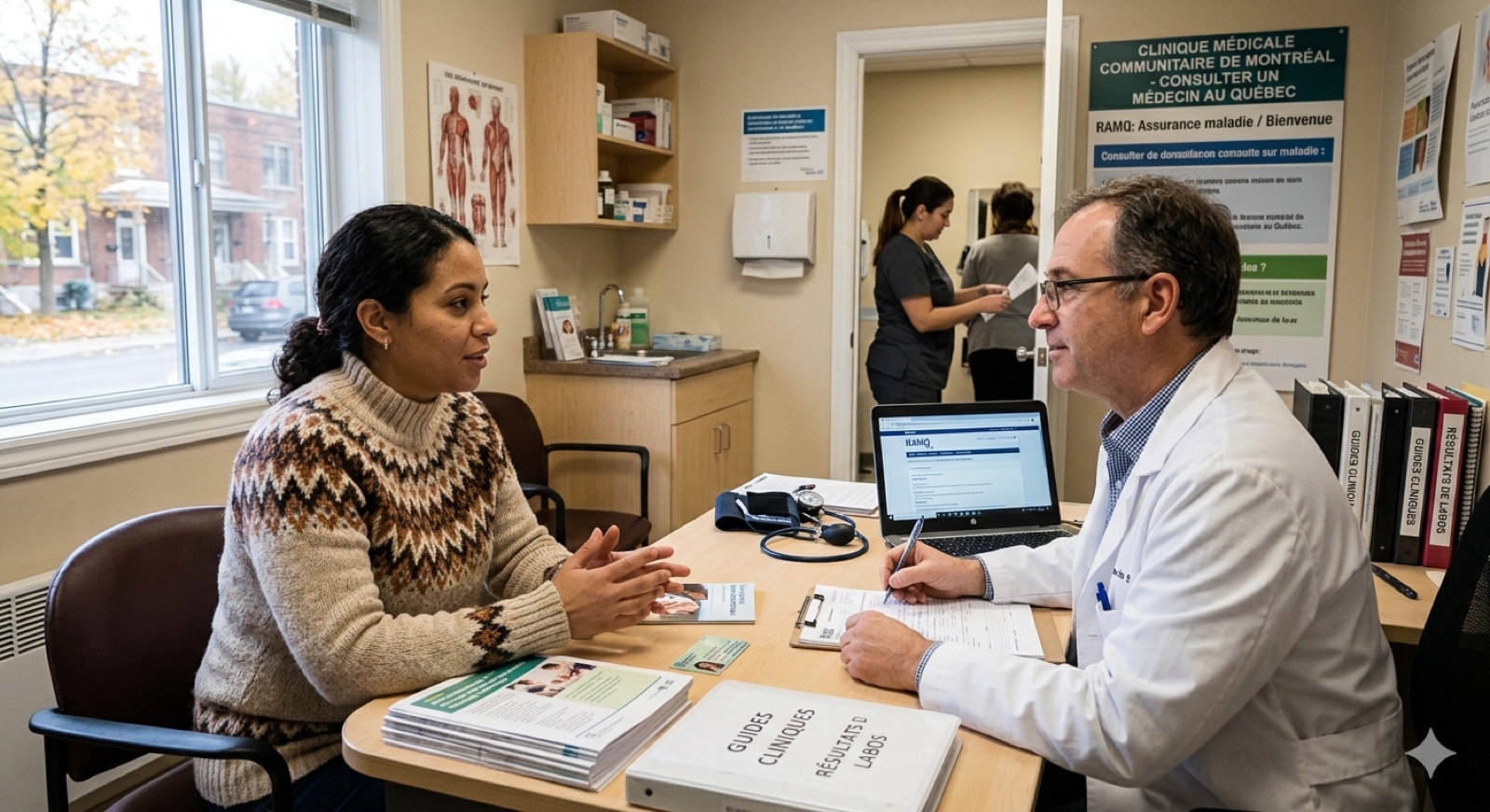
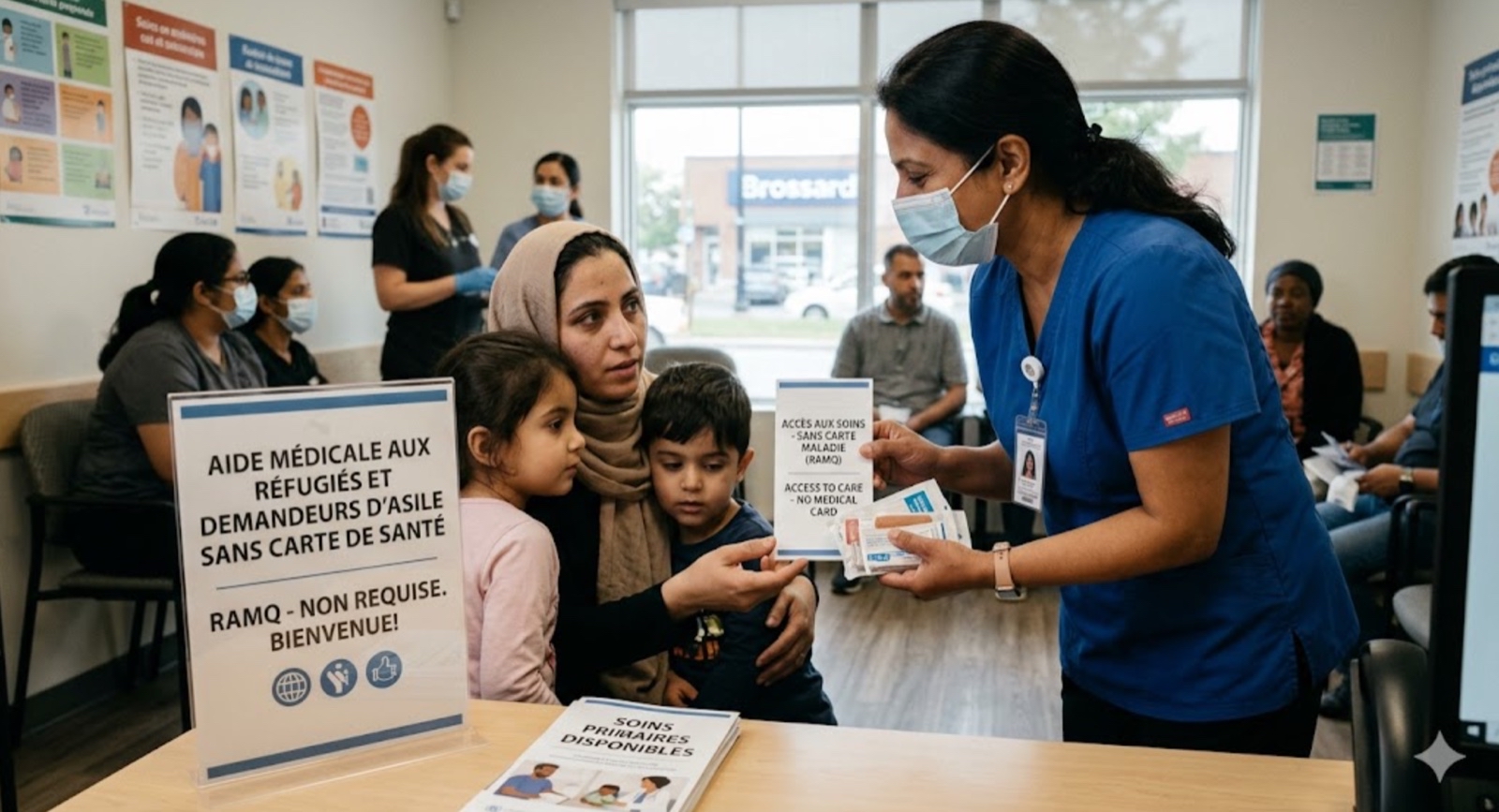
In Quebec, much care runs through the RAMQ health-insurance card. But not everyone qualifies right away: asylum seekers, people awaiting status, or those without status may find themselves with no card. If that's you, don't give up on care. There are programs and clinics precisely for you. This guide explains the two main routes: the Interim Federal Health Program for asylum seekers, and clinics for people with no coverage at all.
2. The Interim Federal Health Program (IFHP)
If you're an asylum seeker, you're generally covered by the IFHP (Interim Federal Health Program). It's a limited, temporary federal coverage that pays for urgent and essential health care until you move, where applicable, to provincial RAMQ coverage.
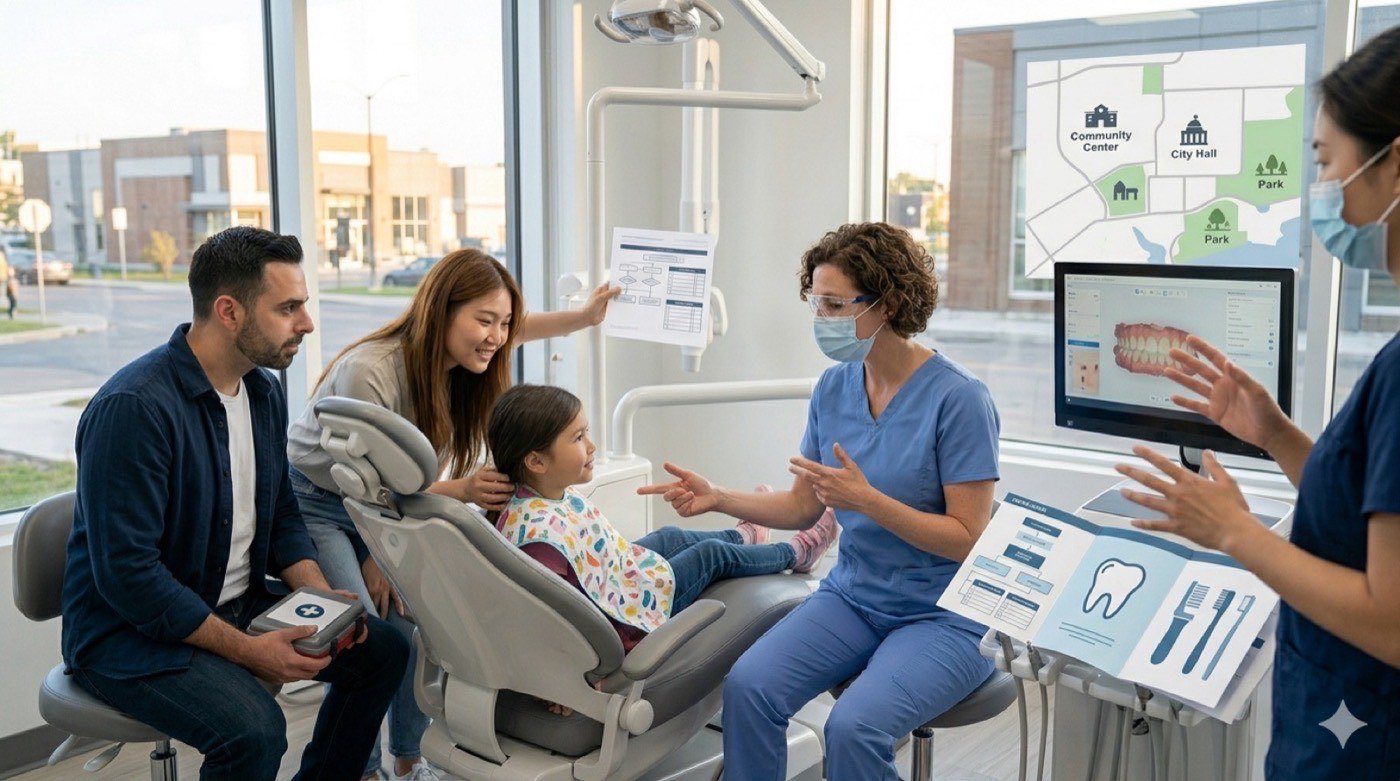
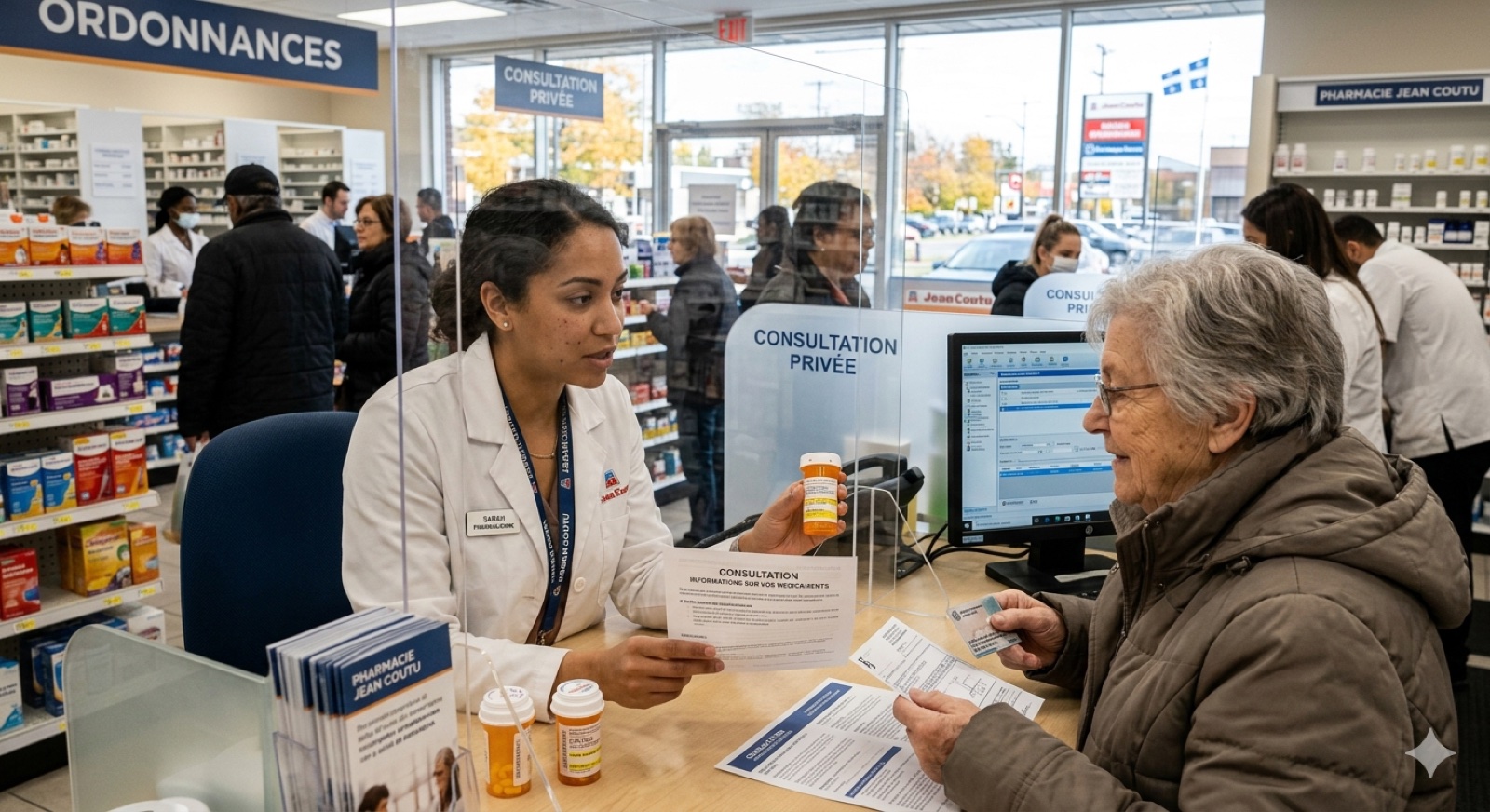
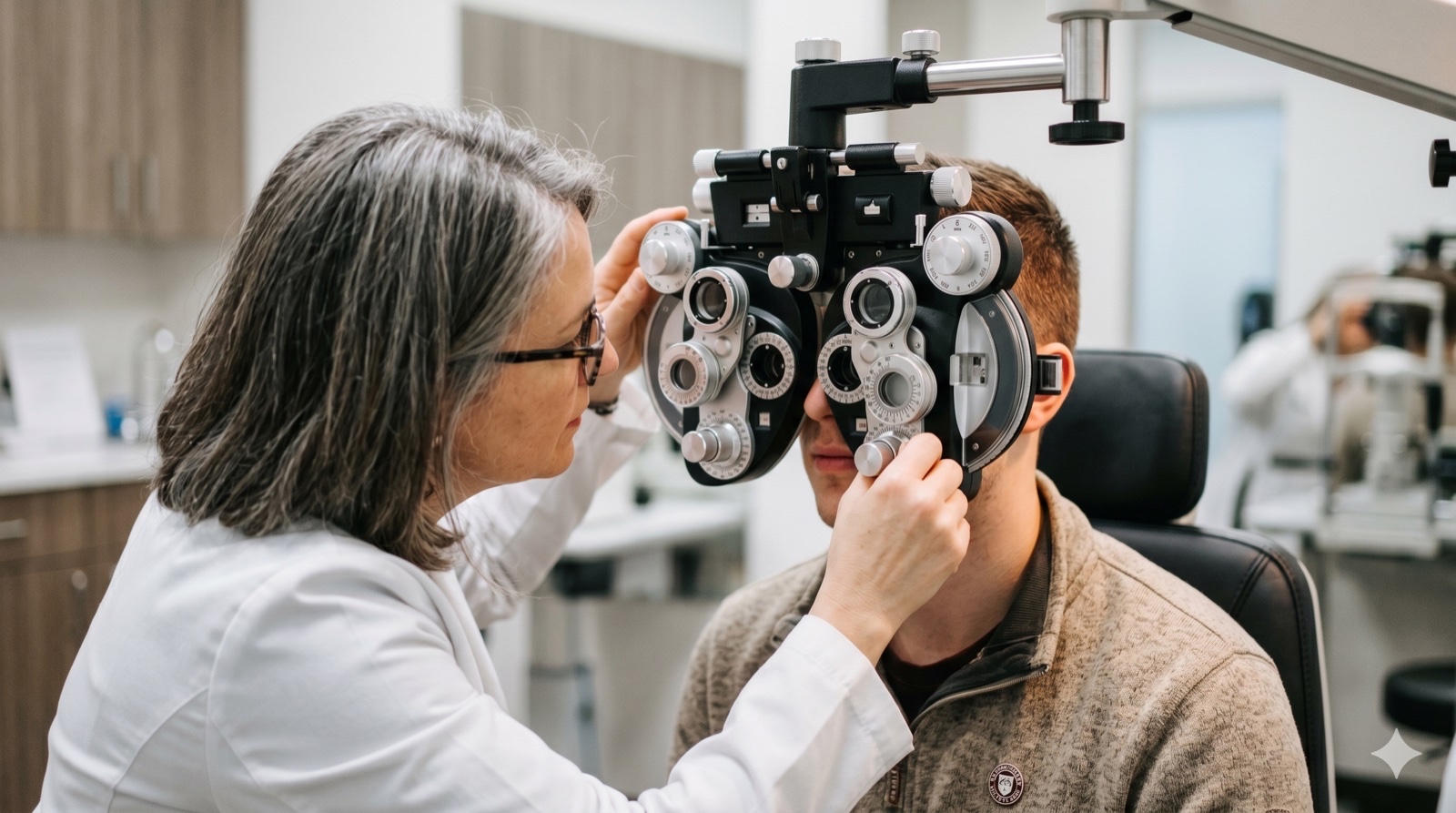
Important: since May 1, 2026, the federal government requires cost-sharing for IFHP supplementary services — $4 per prescription medication filled or refilled, and 30% of the cost of other eligible supplementary products and services, such as dental care, vision care, counselling, and assistive devices. Basic care — doctor visits and hospital care — stays fully covered, with no cost-sharing. Check your exact coverage on the official IFHP site and keep your documents.

3. If you have no coverage at all
Some people have neither RAMQ, nor IFHP, nor private insurance — for instance those with precarious status or no status. For them, community clinics exist. In Montréal, Médecins du Monde runs a clinic for migrants with precarious status, aimed precisely at people with no medical coverage and in difficult situations; care there is provided by volunteers. Other community organizations and some CLSCs may also offer first care or steer you. No one should be left with no medical recourse at all: ask for help, even without papers.
4. Frequently asked questions
Here are the most common questions about care without a RAMQ card: what the IFHP covers, where to find a clinic, and what happens for children and pregnant women.
What exactly does the IFHP cover?
The IFHP covers urgent and essential care (doctor visits, hospital care) fully, with no cost-sharing. Since May 1, 2026, certain supplementary services (dental, vision, counselling, assistive devices, prescriptions) involve cost-sharing — $4 per prescription, 30% for other supplementary services. Because the exact list and rules can change, check the official IFHP help centre or ask a community organization that supports asylum seekers.
How do I find a clinic for people without coverage?
Call 211 for community resources near you, search the Québec.ca health-and-social-services directory, or contact an organization that helps newcomers and asylum seekers — they know the local clinics. In Montréal, Médecins du Monde's migrant clinic is a key reference for people with no coverage.
What about children or a pregnancy?
Care for children and around pregnancy and birth is especially important and shouldn't be delayed. The IFHP covers eligible asylum seekers; for those with no coverage, community clinics and CLSCs can help and orient you. Reach out early — prenatal follow-up and children's care are exactly where support exists.
5. See also
These related guides may be useful:
- RAMQ — provincial coverage and how to access it.
- Emergency help in Quebec — for crisis situations.
- Community organizations in Quebec — groups that can support you.
6. Official sources
For official information, see:
The official IFHP page is linked directly in section 2.
Author's Note: having no RAMQ card doesn't mean having no right to care. As an asylum seeker you have the IFHP; with no coverage at all, clinics like Médecins du Monde exist. The worst choice is suffering in silence out of fear of a bill or of status. Ask for help early — that's exactly what these resources are for.