1. Why community associations matter
For most immigrants, the first weeks in Quebec feel the same: an apartment to furnish, administrative steps to complete, and a loneliness that surprises even those who anticipated the change. This is normal. The social network rebuilds itself. Cultural and community associations exist precisely to accelerate that rebuilding. They're spaces where your first language is spoken, where others have been through the same steps, where naive questions are welcome and where answers are practical and local. These associations don't replace integration into Quebec society — they prepare for it.
2. Types of organizations available
Several types of organizations can help you integrate:
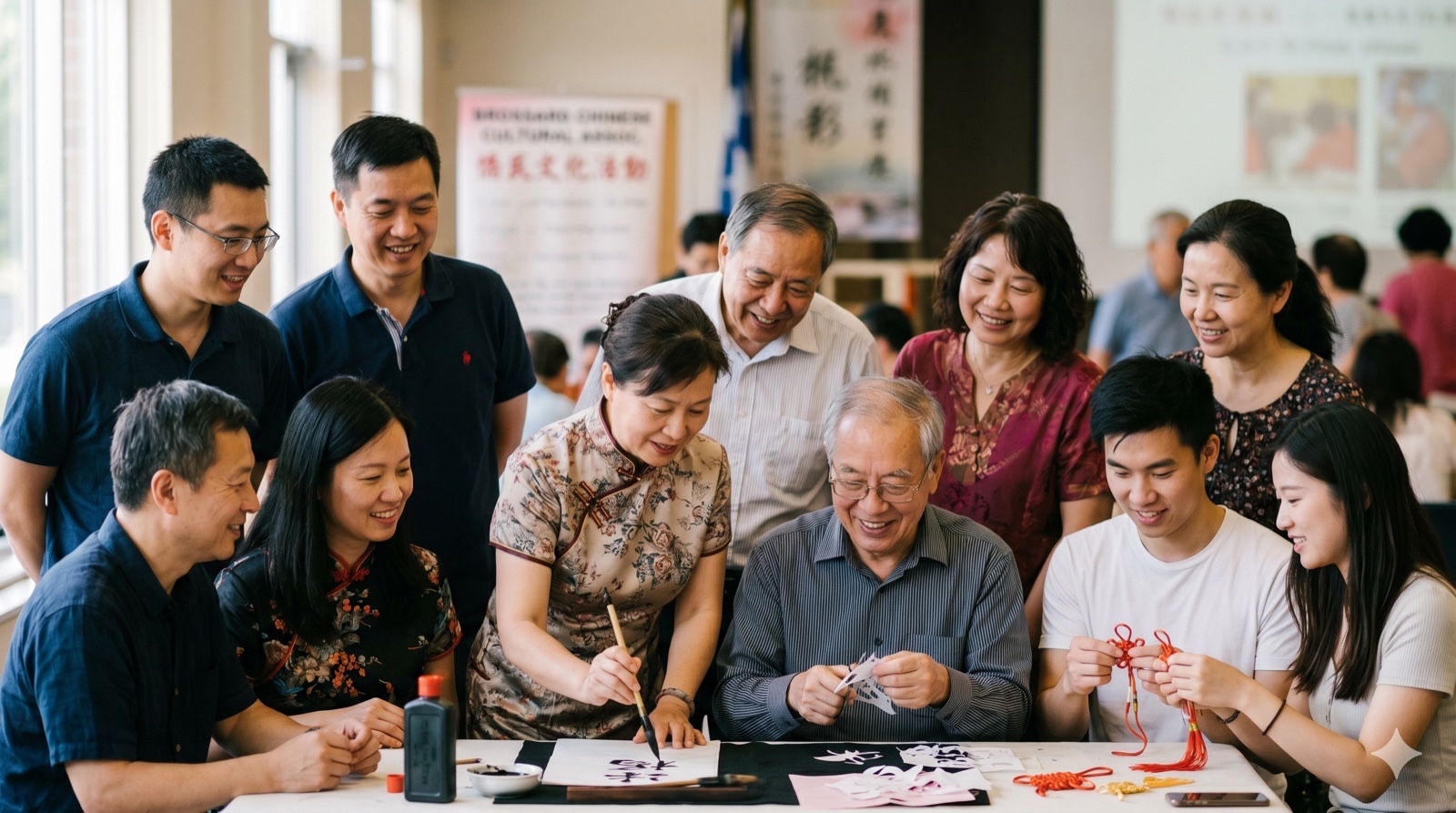
Diaspora cultural associations bring together members of the same community of origin — Haitian, Moroccan, Filipino, Congolese, Colombian and dozens of other associations are active in Quebec. They organize cultural events, community meals, national celebrations, and often offer an informal mutual-aid network for jobs and housing.
Immigrant support organizations are non-profit bodies offering settlement services: French classes, job-search help, translation, guidance through administrative procedures. In Montréal, organizations like RESO, PROMIS, the Table de concertation des réfugiés et des immigrants, or Maison d'Haïti offer comprehensive services.
Municipal community centres organize activities for all neighbourhood families and are free or low-cost.
3. How to find your community in Quebec
The Quebec government maintains a directory of immigrant support organizations through the portal of the Ministère de l'Immigration, de la Francisation et de l'Intégration (MIFI). You can find organizations in your region by type of service.
Facebook remains the place where most diaspora groups are active — search your country or region of origin followed by 'Montréal' or 'Québec'.
Meetup.com lists intercultural and French-practice groups.
Your borough or municipality often publishes a local bulletin with community centre activities.
And other immigrants in your building or neighbourhood are often the best source of informal recommendations.
4. See also
These related guides may be useful:
- Community resources in Quebec — the broader directory of available services.
- Job search help in Montréal — finding work with the help of organizations.
- Free French classes — learning French through provincial resources.
- Public libraries in Quebec — community spaces open to everyone.
5. Official sources
- To find an immigrant support organization in your region: immigration-québec.gouv.qc.ca, section Aide à l'intégration
- For Montréal community centres: montreal.ca, section Loisirs et culture
Author's Note: community isn't always found where you expect it. Some immigrants find their tribe at the market, in a running club, at library storytime, or in a choir. Don't limit your search to formal associations — community life is also built in the ordinary spaces of daily life.