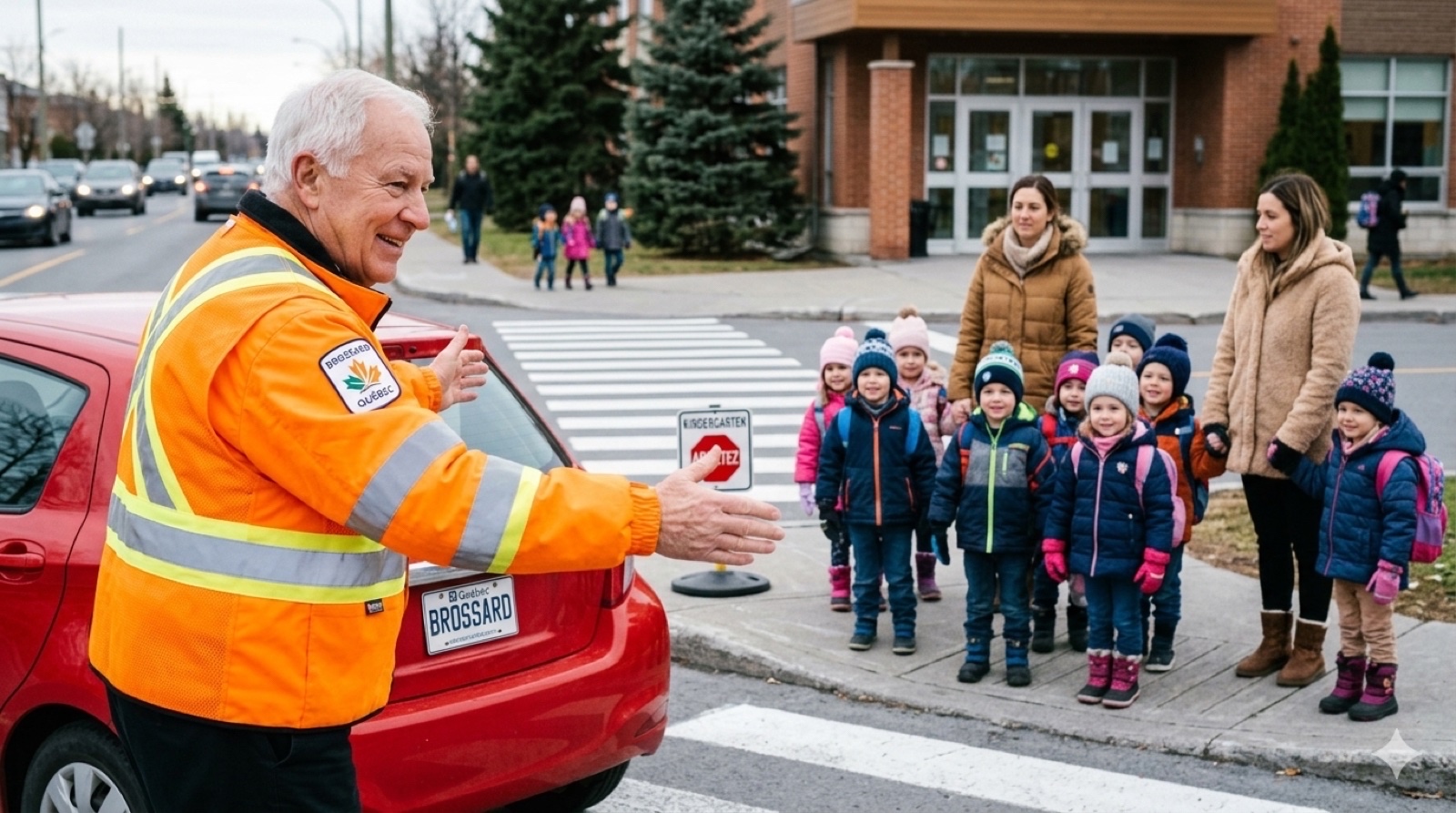
Le bénévolat est une excellente façon de s'intégrer et de contribuer à la communauté.
1. Why volunteer in Quebec
Volunteering plays an important role in Quebec society. Tens of thousands of non-profit organizations, school committees, sports federations, food banks and newcomer support organizations run thanks to volunteer work.
For a newcomer, volunteering offers several simultaneous benefits:
- Practice French in a real, supportive environment
- Build a local network in Quebec — often the main barrier to employment for immigrants
- Get Quebec references — highly valued by employers
- Understand local cultural codes
- Open professional doors — many Quebec jobs are found through networks, not posted listings
2. Where to find volunteering opportunities
Several resources help find volunteering opportunities in Quebec:
- Centre d'action bénévole of your region — every Quebec region has one. First point of entry.
- Bénévolat Québec — benevolat.qc.ca — aggregates volunteer opportunities province-wide.
- Newcomer support organizations like PROMIS, Carrefour d'aide aux immigrants or CACI — often need volunteers and are particularly welcoming to newcomers.
- Schools, libraries, sports centres and hospitals all accept volunteers.
3. The most accessible areas to start
Some volunteering areas are particularly accessible for newcomers, even with intermediate French:
- Food banks (Moisson Montréal, local food pantries): sorting and distributing food — physical, practical work that doesn't require perfect French.
- Sports and cultural events: Montréal festivals recruit thousands of volunteers for reception, information and logistics.
- Newcomer support organizations: often need bilingual volunteers — if you speak a rare language plus French, you're very valuable.
- Libraries and cultural centres: workshop facilitation, reading to children, support for seniors.
- Local sports clubs (soccer, badminton, martial arts): always need volunteers for training and tournaments.
4. How to include volunteering on your Quebec CV
Volunteering is valued on a Quebec CV, but it must be presented correctly:
- Create a separate section titled Bénévolat or Implication communautaire
- List the organization name, your role, duration and skills developed
- Treat it like real professional experience — describe what you did, not just that you helped
- If your volunteering was in your professional field, highlight it more prominently
- One year of regular volunteering in a given field can partially compensate for a lack of Canadian experience for an employer
5. Frequently asked questions
Common questions newcomers ask before starting to volunteer in Quebec.
Can I volunteer without permanent status, or if my French is still limited?
Yes. Most community organizations welcome volunteers regardless of immigration status — they need your time and goodwill, not a passport. For French fluency, many roles are accessible at an intermediate level (A2–B1): physical tasks like sorting donations, event set-up, or sports refereeing require little spoken French. Starting with a role that matches your current level is the best way to improve quickly in a real, low-pressure context.
Can volunteering really help me find a job in Quebec?
Yes, and this is one of the most underestimated advantages. Volunteering gives you Canadian work experience that you can list on your CV, local references that Quebec employers specifically request, and — most importantly — access to an informal network. A significant portion of Quebec jobs are never posted publicly; they are filled through word of mouth. A volunteer coordinator who knows your work can recommend you, or put you in contact with a recruiter. This informal channel opens only through real relationships.
How do I concretely find volunteer positions?
Two approaches work well in parallel. First, go directly to the Centre d'action bénévole in your region — this is the local hub that matches volunteers with organizations; bring a short description of your availability and interests. Second, browse Je Bénévole (jebenevole.ca), a free platform that lists hundreds of volunteer postings across Quebec, searchable by region, field and schedule. Many organizations also post their needs on Facebook groups for newcomers or in community newsletters. You don't need to wait for a formal posting — contacting an organization you already like directly, and proposing your time, is perfectly acceptable.
Do some volunteer roles require a criminal background check?
Yes, for roles involving vulnerable populations. If you volunteer with children (school, youth club, day camp), with seniors in a residence, or with people with disabilities, the organization will typically ask you for a criminal record check (vérification des antécédents). This check is generally done at the local police station or through a recognized service; some organizations cover the cost for their volunteers. It's a routine requirement — not a sign of distrust — and is generally processed within a few weeks. For the majority of other volunteering roles (events, food banks, community support), no check is required.
6. See also
These related guides may be useful:
- Cultural associations for immigrants in Quebec — to find your community.
- Working without speaking French in Quebec — if you're still learning French.
- Community resources in Quebec — social support and family services.
7. Official sources
- To find volunteering opportunities in Quebec: benevolat.qc.ca and the Centre d'action bénévole of your region
- For Moisson Montréal: moisson-montreal.org
Author's Note: volunteering is one of the least-known secrets of successful integration in Quebec. Immigrants who volunteer from arrival generally find work in their field faster, have a stronger network and a stronger sense of belonging. It's not about sacrificing your time — it's an investment in your own future in Quebec.