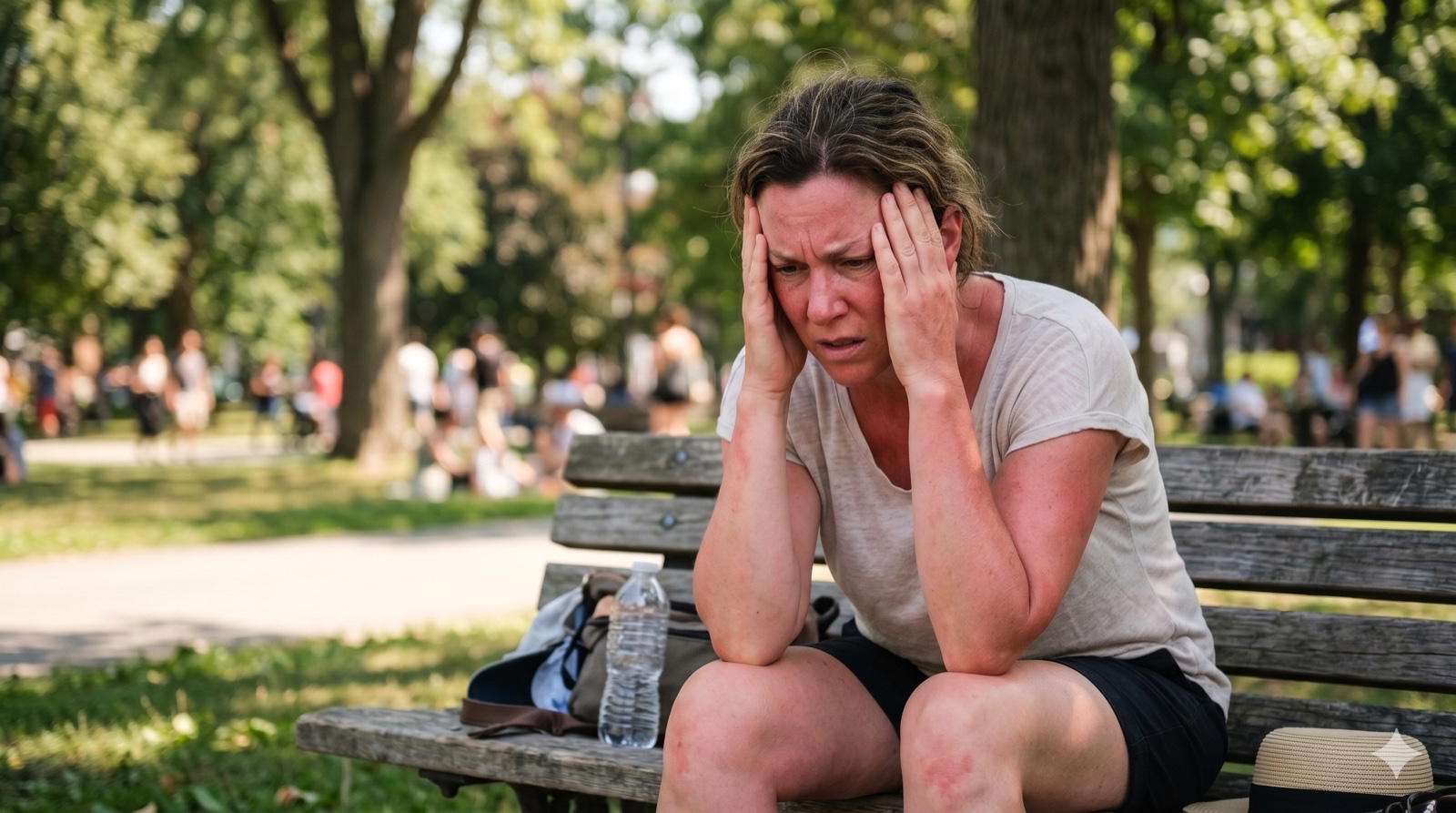
Les vagues de chaleur estivales peuvent être dangereuses à Montréal.
1. Heat waves in Quebec: a real risk
A heat wave is officially declared in Montréal when the temperature reaches 33°C for at least two consecutive days, with a night above 20°C. An apartment without air conditioning can quickly exceed 40°C — dangerous for vulnerable people.
In 2010, a heat wave caused more than 280 deaths in Quebec. Since then, free protective resources have been put in place — you just need to know about them.
2. Free cooling sites in Montréal
During an official heat wave, Montréal activates a network of free cooling sites in every borough — open to all, with no conditions.
Official sites include: municipal libraries, outdoor pools and wading pools (free during heat waves), air-conditioned community centres, and borough city halls.
Other free air-conditioned spaces include: Grande Bibliothèque (BAnQ), shopping centres, and Métro stations.
Full updated list during a heat wave: montreal.ca — search « site de rafraîchissement ».
3. Recognizing and responding to heat stroke
Heat stroke is a serious medical emergency.
Signs: body temperature above 40°C, mental confusion, hot/dry/red skin, intense headache, nausea, loss of consciousness.
Response: call 911 immediately. While waiting: move the person somewhere cool, remove clothing, apply cold water compresses to the neck, armpits and groin. Do not wait.
4. Financial aid for vulnerable people
Some boroughs offer aid for purchasing air conditioners for vulnerable low-income people — availability varies by year and budget.
To find out what is available: call 311 (Montréal's municipal information service) or contact your borough directly. Your CLSC or social worker can also point you in the right direction.
5. Frequently asked questions
Frequently asked questions about heat waves in Montréal.
Where can I find a cooling site near me?
Call 311, Montréal's municipal information line. Operators will direct you to the nearest site based on your address — available during heat-alert hours. You can also check montreal.ca and search for « site de rafraîchissement ».
Is air conditioning required by law in a rental unit?
No, Quebec law does not require landlords to provide an air conditioner. However, if the absence of air conditioning makes the unit uninhabitable during extreme heat, you can contact your borough or the Tribunal administratif du logement. Some boroughs offer financial aid for vulnerable tenants — call 311 to ask.
How do I keep a brick apartment cool without air conditioning?
Close shutters and curtains on the sun-facing side during the day to block heat from entering. Open all windows late at night when outdoor air is cooler than indoor air. A fan pointed outward through a window evacuates hot indoor air. Hanging a damp sheet in a doorway also helps cool the air as it passes through.
Who is most at risk during a heat wave?
The most at-risk groups are: people over 65, infants and young children, people living alone, those who work outdoors, and people with chronic illnesses — especially heart or respiratory conditions. If you know a neighbour in one of these groups, check in on them. A simple knock on the door can save a life.
6. See also
These related guides may be useful:
- Beaches and swimming in Quebec — finding bodies of water to cool down.
- Free shows and activities in Montréal — air-conditioned indoor activities.
- Surviving winter in Quebec — because winter cold is also a health risk.
7. Official sources
- For heat wave alerts and cooling sites in Montréal: montreal.ca
- For public health guidance during heat waves in Quebec: sante.gouv.qc.ca
- For medical emergencies: dial 911
Author's Note: heat waves kill quietly — many deaths are attributed to other causes while actually heat-related. People living alone, the elderly, and the sick are most at risk. If you know an elderly neighbour or isolated person in your building, ringing their doorbell during a heat wave can literally save a life. It's one of the most concrete ways to integrate into Quebec neighbourhood life.