1. The health network in Montreal
In Montreal, public health services are organized into large networks called CIUSSS — one for each part of the island. These networks run hospitals, CLSCs and public clinics.
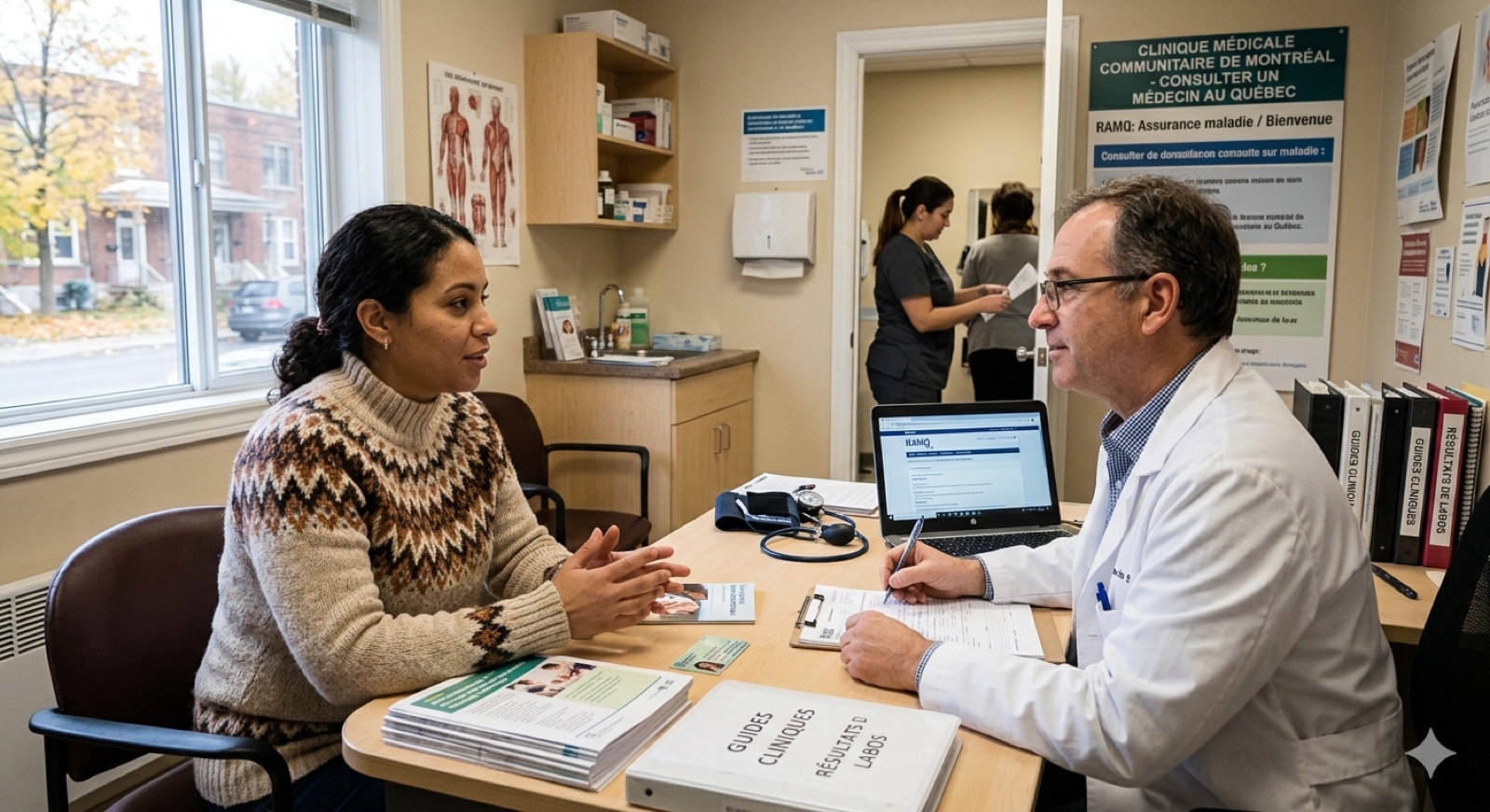
For most everyday consultations, the entry point is the walk-in clinic or the CLSC in your neighbourhood.
2. If you're waiting for your RAMQ card
The RAMQ card — Quebec's public health insurance — typically takes three months to be issued after arrival. During that window, medical visits are paid out of pocket.
Strongly recommended to buy temporary private insurance before you arrive — without it, a single ER visit can cost over a thousand dollars.
3. Walk-in clinics
For non-urgent issues — persistent colds, pain, infections — the walk-in clinic is your first stop.
The official Rendez-vous santé Québec website lists real-time availability near you.
Most clinics require you to arrive early in the morning, sometimes before opening, to get a same-day spot.
4. Emergencies and major hospitals
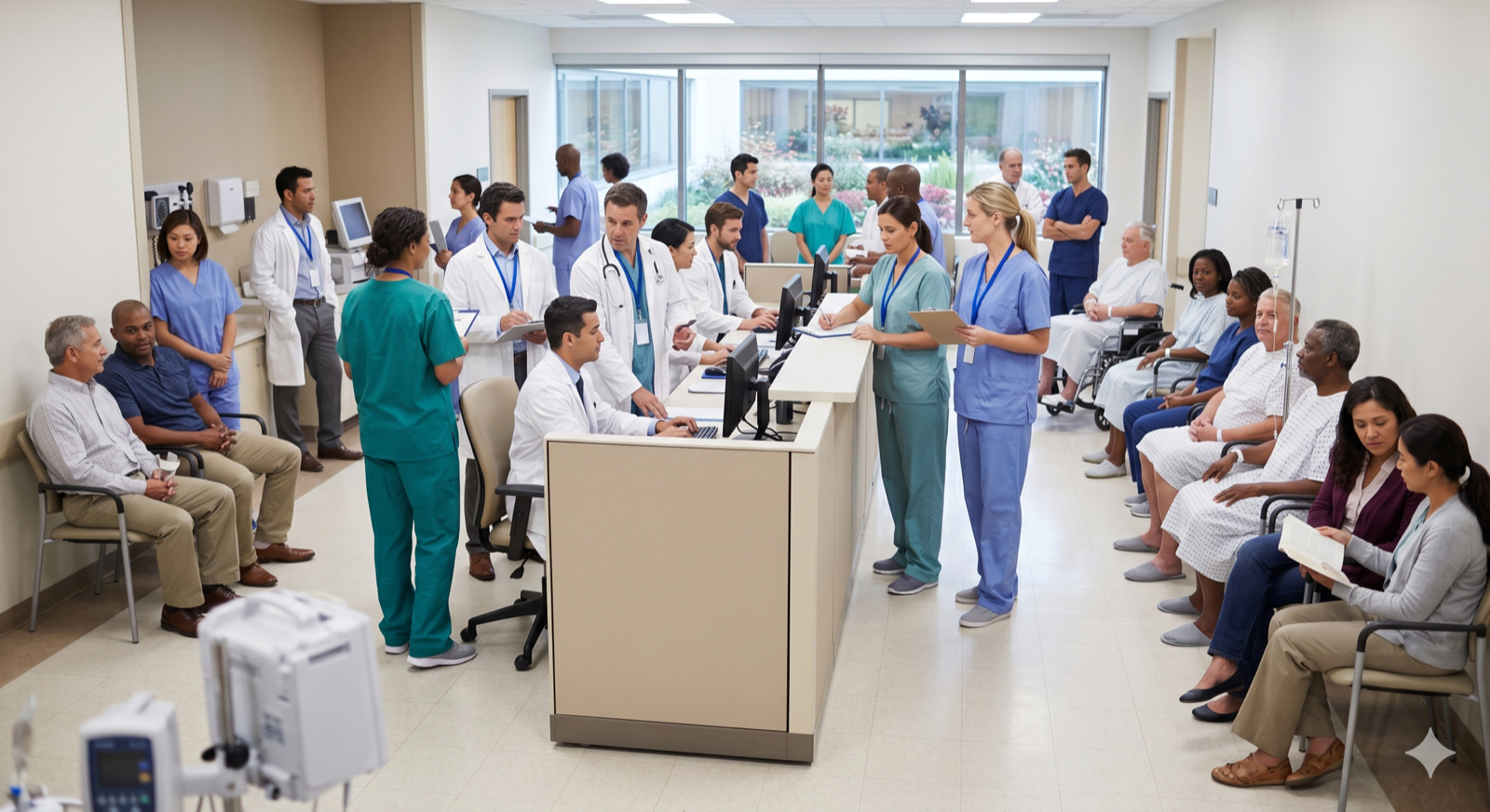
A hospital ER is reserved for serious situations: chest pain, major injury, high fever in a child.
Montreal's main hospitals are:
- The CHUM (Centre hospitalier de l'Université de Montréal)
- The CUSM (McGill University Health Centre), with the Royal Victoria and the Montreal General Hospital
- The Hôpital Sainte-Justine for children
- The Jewish General Hospital
For most other issues, waiting four to eight hours at the ER is wasted time — call 811 or visit a walk-in clinic.
5. Info-Santé 811
811 is a free phone service available 24 hours a day, 7 days a week. A qualified nurse assesses your situation and tells you what to do: stay home, see a doctor tomorrow, or go to the ER now.
The service is offered in French and English. It's the most useful tool for newcomers unsure where to turn.
6. Pharmacies — a key role
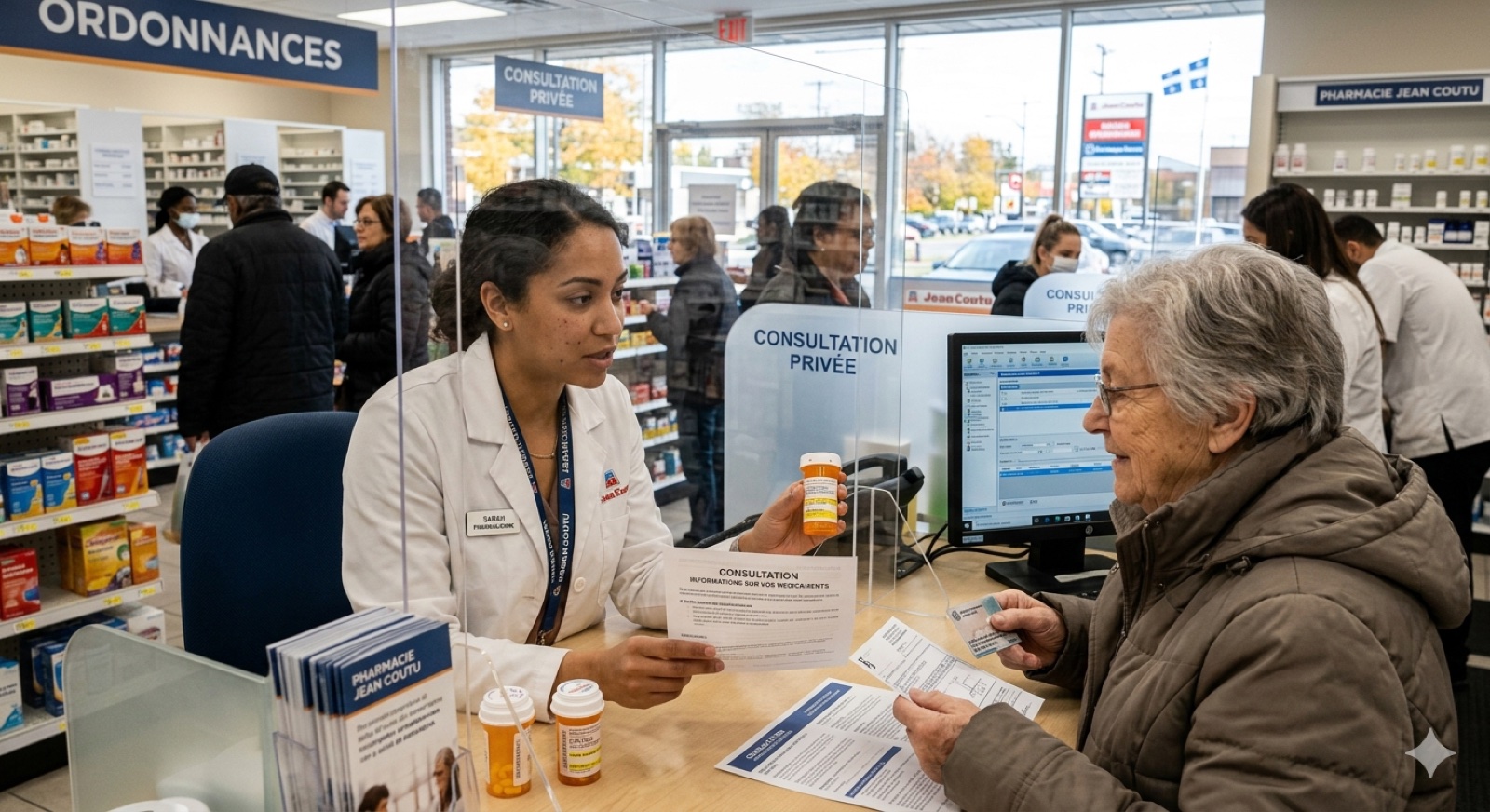
In Quebec, pharmacies are more than stores. Pharmacists can prescribe certain common medications — emergency contraception, urinary infection treatments, prescription renewals — without needing a doctor's visit.
The chains Jean Coutu, Pharmaprix, Brunet and Uniprix are everywhere in Montreal. Several open late or even 24 hours.
7. Which point of service to choose, at a glance
Choosing the right point of service saves you hours of waiting and sometimes hundreds of dollars. Here is a recap of the main options based on the type of problem.
This grid follows the logic of the Quebec network: start with the lightest option and only escalate if your condition requires it.
Without an active RAMQ card, all these services remain accessible but become paid — hence the importance of temporary private insurance during the waiting period (up to three months). Note that many pharmacists settle a quick consultation that would have taken half a day at the walk-in clinic.
| Point of service | Type of problem | Typical wait | With RAMQ |
|---|---|---|---|
| Pharmacy | Renewal, advice, minor infection | A few minutes | Often free |
| Info-Santé 811 | Doubt, guidance, advice | A few minutes by phone | Free |
| Walk-in clinic | Cold, pain, common infection | 1 to 4 hours on site | Free |
| CLSC | Vaccination, blood draws, follow-up | Varies by service | Free |
| GMF or family doctor | Regular follow-up, chronic problem | By appointment | Free |
| Hospital ER | Serious or potentially life-threatening | 4 to 12 hours sometimes | Free |
| 911 | Immediate life-threatening emergency | Immediate | Free |
8. Register the whole family with the access desk
The Guichet d'accès à un médecin de famille (GAMF) is the official registration to be assigned a family doctor in Quebec. It's free, online, and essential for long-term follow-up.
The wait time varies hugely by neighbourhood — a few months in some areas, several years in others. Register each family member as soon as the RAMQ card arrives. In the meantime, the GAP (Guichet d'accès à la première ligne) gives you access to one-off consultations with a professional.
9. Frequently asked questions
The most common questions from new Montrealers about healthcare: what to do while waiting for the RAMQ card, how to find a clinic that takes patients without a doctor, what language ER consultations happen in, and how care for children works.
What do I do if I get sick before receiving my RAMQ card?
During the waiting period — up to three months, starting on the date you register if you are in Quebec with all the required documents — the system stays accessible but becomes paid. A walk-in clinic visit can cost between 100 and 300 dollars. An ER visit easily exceeds 1000 dollars, sometimes much more for an admission.
Two protections matter: take out temporary private health insurance before arrival, and call 811 first for any concern — the nurse can prevent an unnecessary visit. Pharmacists can also resolve many small problems at modest cost.
How do I find a clinic that takes a patient without a family doctor?
The Rendez-vous santé Québec website lists, in real time, walk-in clinics with same-day or next-day availability. You filter by neighbourhood and by language.
For non-urgent problems, the GAP can also direct you to a professional within a reasonable time. Many CLSCs accept patients without a family doctor for vaccinations, blood draws, and certain follow-ups. The hospital ER is reserved for serious situations — for the rest, this trio Rendez-vous santé Québec, GAP, CLSC will solve almost everything.
What language is the ER consultation in?
French is the language of public administration in Quebec, but Montreal hospitals offer service in English on request, especially in establishments historically anglophone like the CUSM and the Jewish General Hospital.
In a francophone hospital, explicitly request to be served in English if needed — the staff will accommodate you. For a serious situation, don't hesitate to bring a bilingual relative or to use a phone translation service. Triage and emergency care never depend on language.
And for my child, which services are priorities?
For young children, the reflex is the same as for an adult — 811 first for any concern, then walk-in clinic for non-urgent problems.
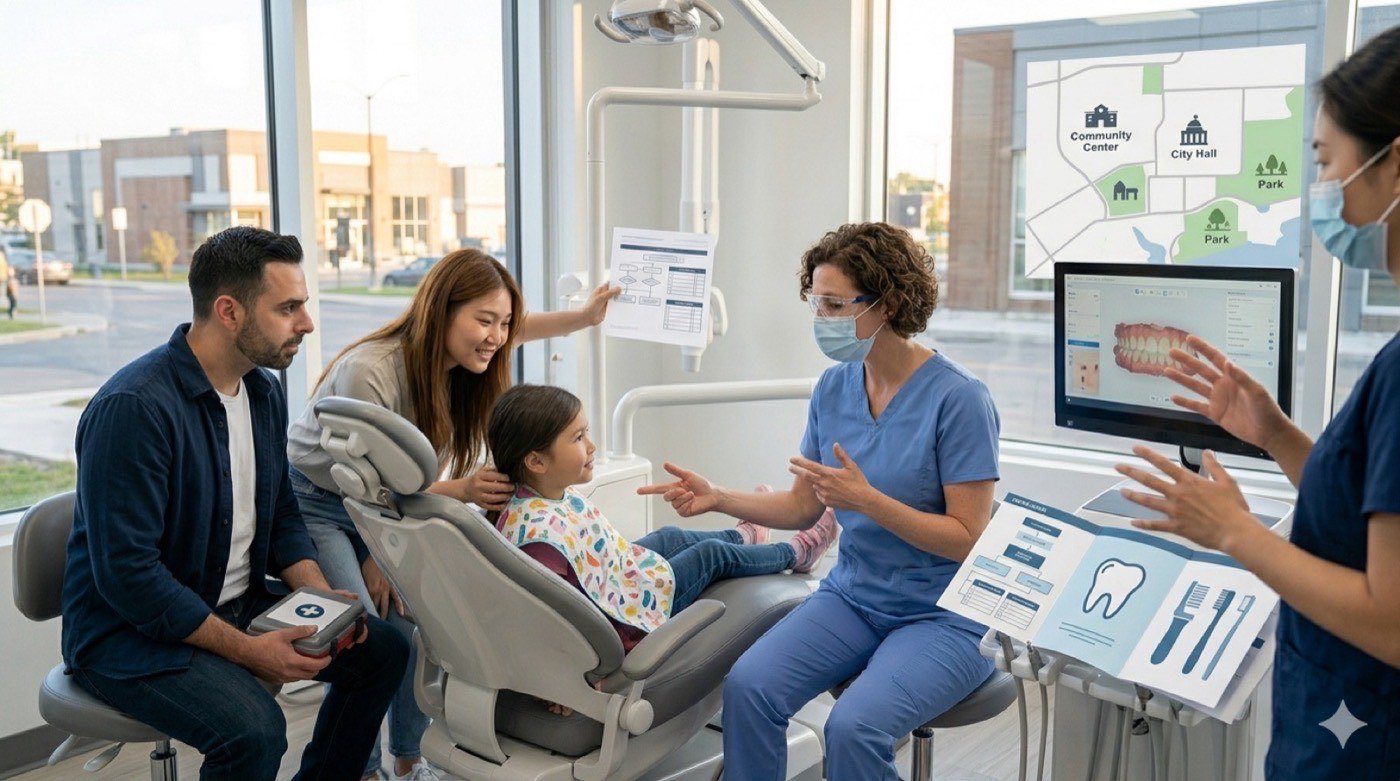
The CHU Sainte-Justine is the major paediatric reference hospital in Montreal, with a specialized ER for children. The Montreal Children's Hospital, part of the CUSM network, plays the same role on the anglophone side. Most CLSCs offer routine vaccination and well-baby check-ups. Register your child with the GAMF as soon as the child's RAMQ card arrives — paediatric appointments fill up fast.
10. See also
To go further on healthcare in Quebec:
- Read getting your health insurance card (RAMQ) to understand the waiting period and prepare your registration.
- See consulting a doctor in Quebec for the options between GMF, GAP and private clinics.
- Prepare your prescriptions with pharmacies and prescriptions in Quebec to understand drug insurance and renewals.
11. Official sources
For official, up-to-date information, see these pages:
In case of a life-threatening emergency, dial 911.
Author's Note: Save 811 in your phone during your first week in Montreal. It's free, available overnight, and a single conversation can save you an ER trip — and several hours of waiting.