1. Montréal, a cycling city
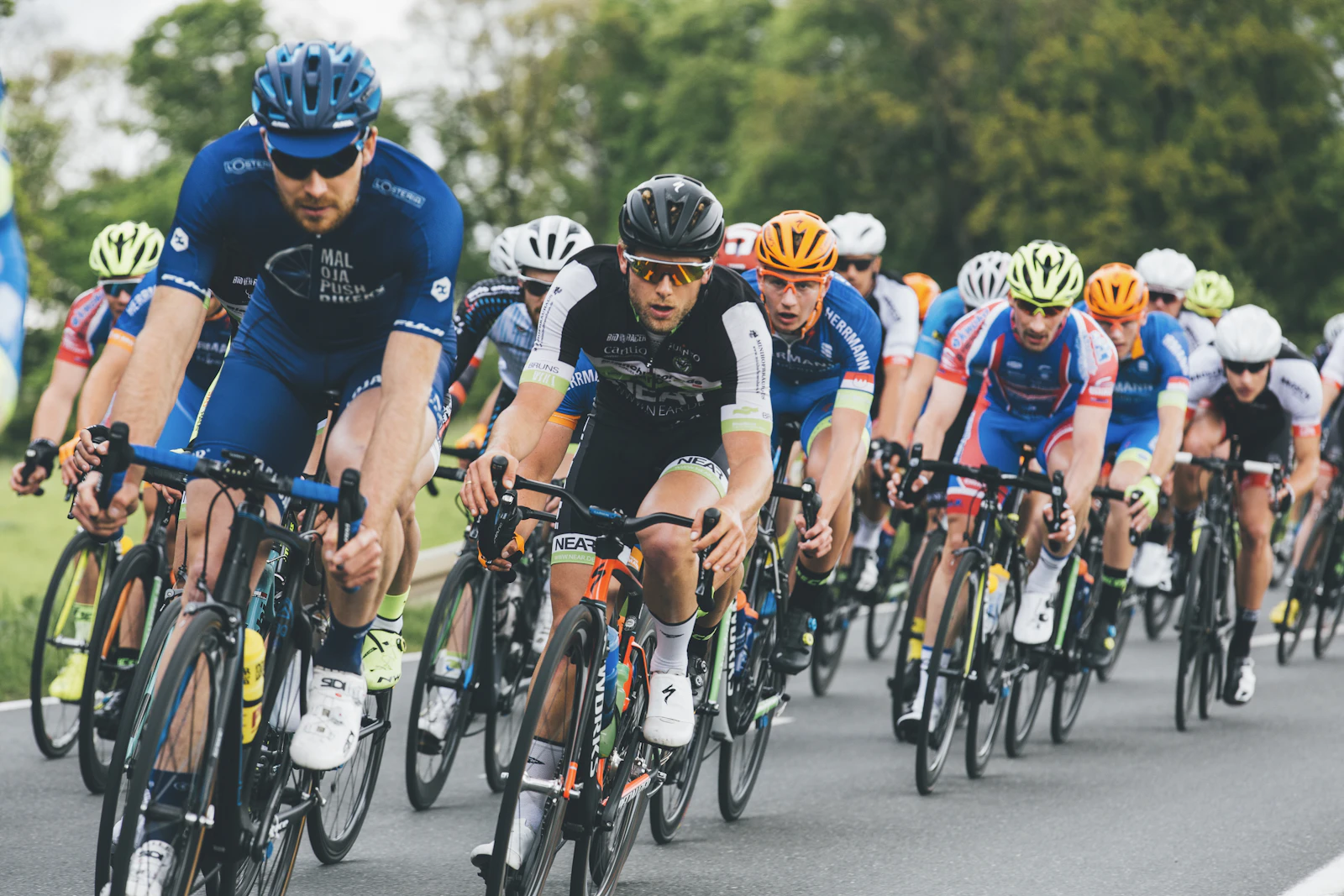
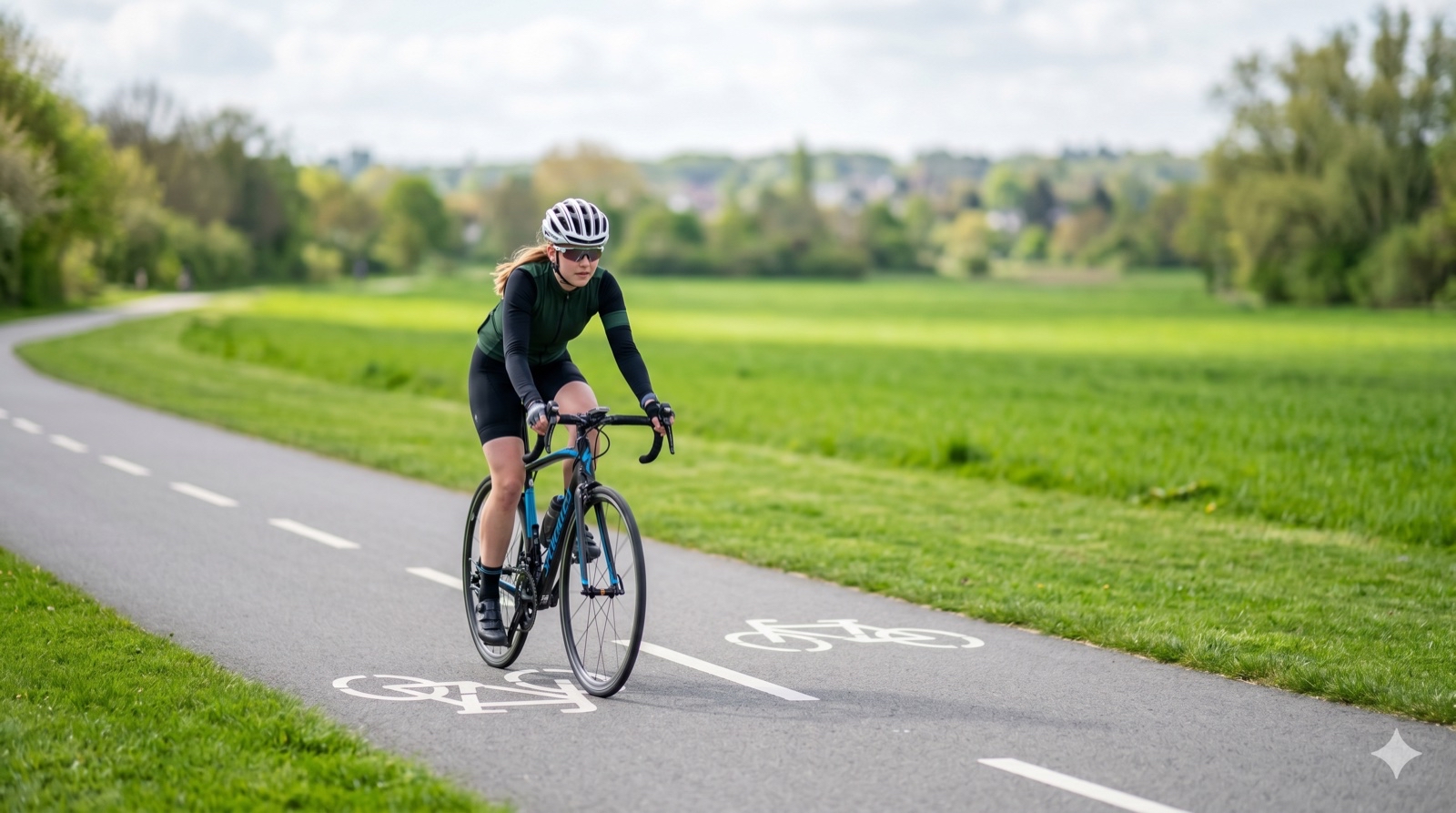
Montréal has more than 1,000 km of cycling paths — separated lanes, on-street bike lanes and shared paths. The city has invested heavily in its network since the 1990s and is regularly ranked among the world's top 20 most cycling-friendly cities.
For a newcomer, cycling is a serious transport option, particularly for daily trips under 10 km. The BIXI network, Montréal's bike-share system, is one of the most used in North America. With a monthly or annual membership, you can access thousands of electric and classic bikes at over 800 stations across the city.
2. BIXI: how it works
BIXI is Montréal's bike-share service. Here's how it works:
1. Create an account at bixi.com or on the BIXI app. 2. Choose a plan: - Single trip: ~$3 for 30 min, then ~$0.15/min beyond - Monthly: ~$25 for unlimited 45-min trips - Annual: ~$100 for unlimited 45-min trips — best option if you plan to use BIXI regularly 3. Take a bike: scan the QR code with the app or enter your code at the dock. 4. Return it: anchor it at any BIXI station. 5. E-bikes available at select stations for an additional ~$1 per trip.
3. The main cycling paths to know
Key cycling corridors in Montréal:
- Piste Rachel: connects Le Plateau to Parc La Fontaine — one of the city's busiest cycling arteries.
- Rue Saint-Denis bike path: runs from Old Montréal up through Le Plateau.
- REV (Réseau Express Vélo): wide, separated cycling paths on major arteries — Berri, Saint-Laurent and others.
- Canal Lachine path: runs ~15 km from the Old Port to Lachine along the canal — one of the most beautiful paths in the city, partially separated from traffic.
- Voie Camillien-Houde: crosses Mount Royal, connecting Le Plateau to Côte-des-Neiges road.
To plan trips, use the Vélo Montréal app or Google Maps in cycling mode.
4. Road rules for cyclists in Quebec
Key road rules for cyclists in Quebec:
- Helmet: not mandatory at any age on a regular bike, but strongly recommended; it is however mandatory at any age on an e-bike.
- Traffic lights and signs: you must obey them like drivers.
- Sidewalks: cycling on sidewalks is prohibited unless otherwise indicated.
- Hand signals: required when changing direction.
- Night lighting: a white front light and red rear reflector or light are mandatory — this is the law and your safety depends on it.
- Road position: ride on the right side of the road or use bike paths.
5. See also
These related guides may be useful:
- Public transit in Quebec — for trips that cycling doesn't cover.
- Free activities in Montréal — enjoying the city by bike.
- Winter outdoor activities — for cycling alternatives in winter.
6. Official sources
- For Montréal's cycling network and path maps: the Vélo Montréal app
- For BIXI: bixi.com
- For Quebec road rules for cyclists: Highway Safety Code — legisquebec.gouv.qc.ca
- For the helmet rule: SAAQ — Cycling: One Head, One Helmet
Author's Note: try BIXI for a month before buying your own bike. You'll see if you actually use cycling daily and in which neighbourhoods you need it. If you use it more than 15 times a month, the annual BIXI subscription quickly becomes worthwhile. And if you want a personal bike, Montréal's used bike market — on Facebook Marketplace, Craigslist and garage sales — is excellent and far cheaper than a new bike.