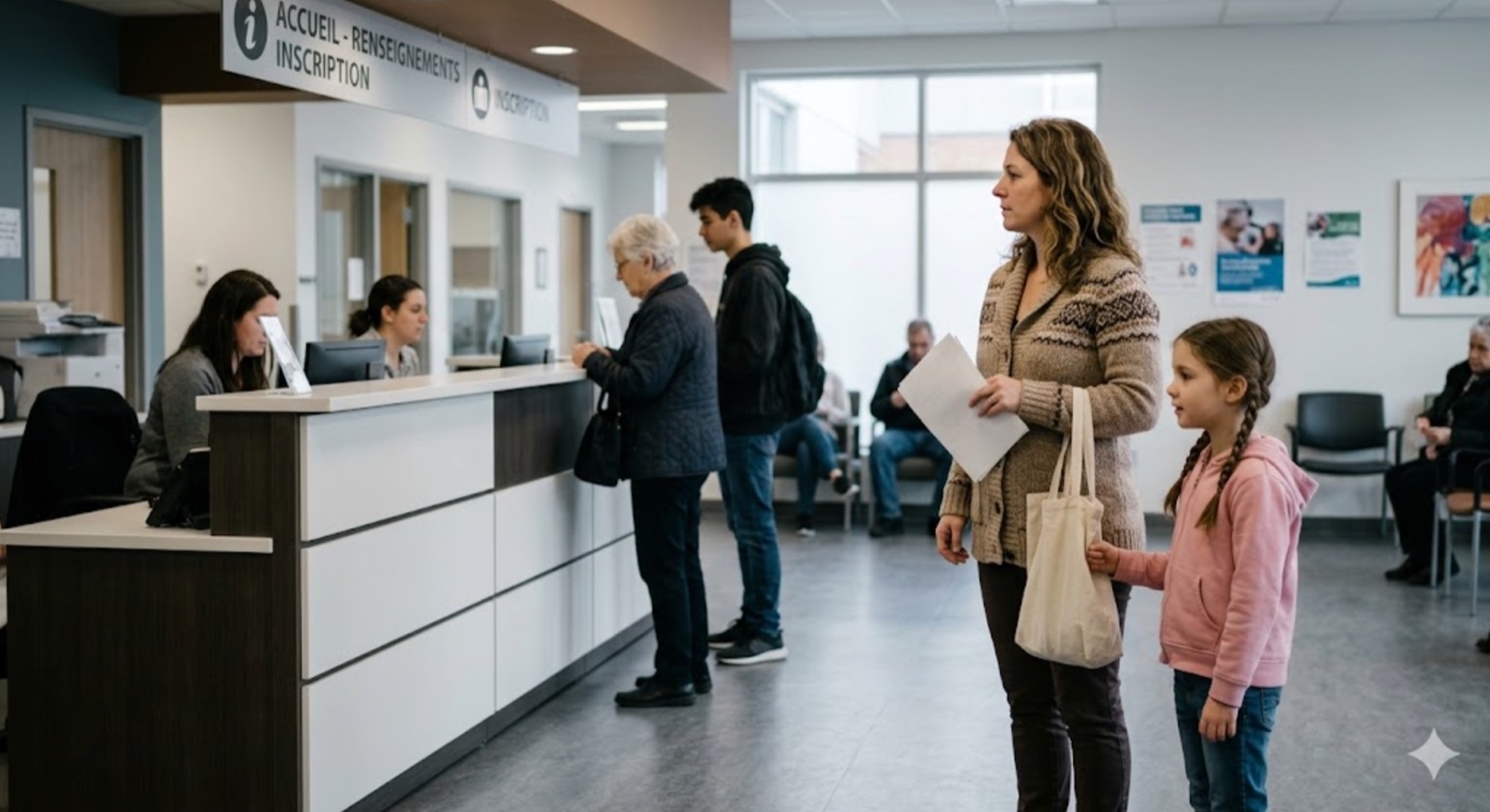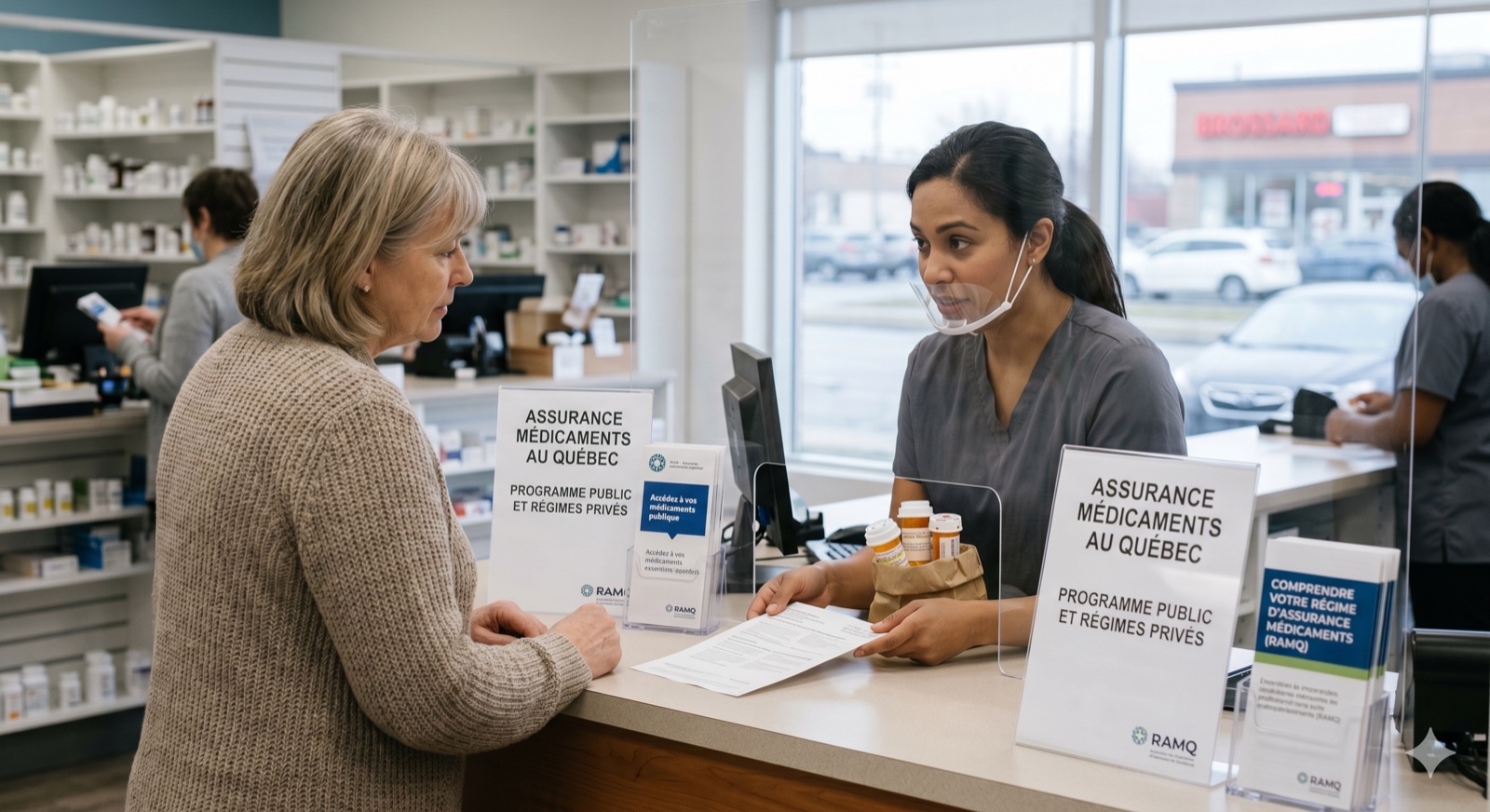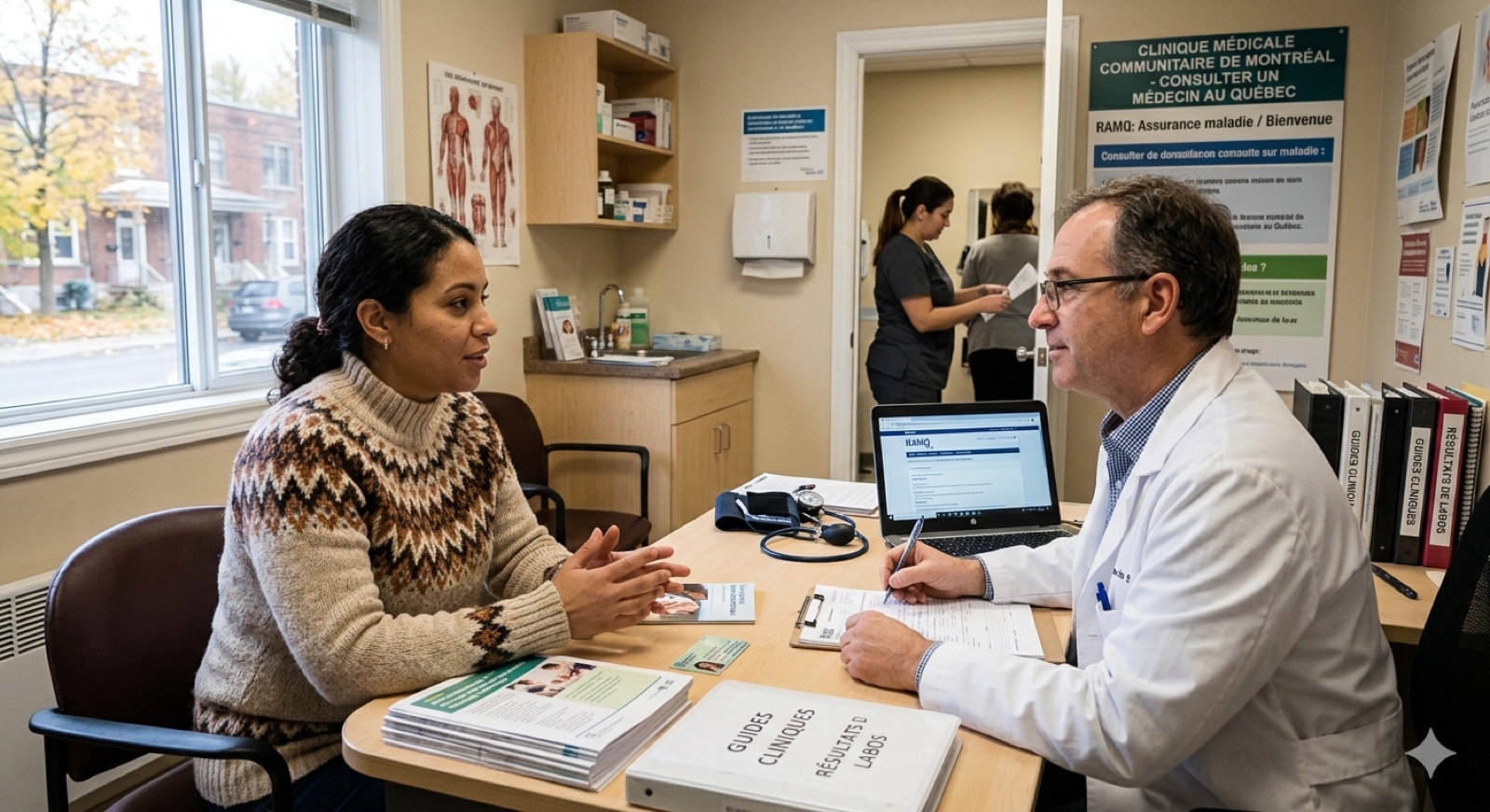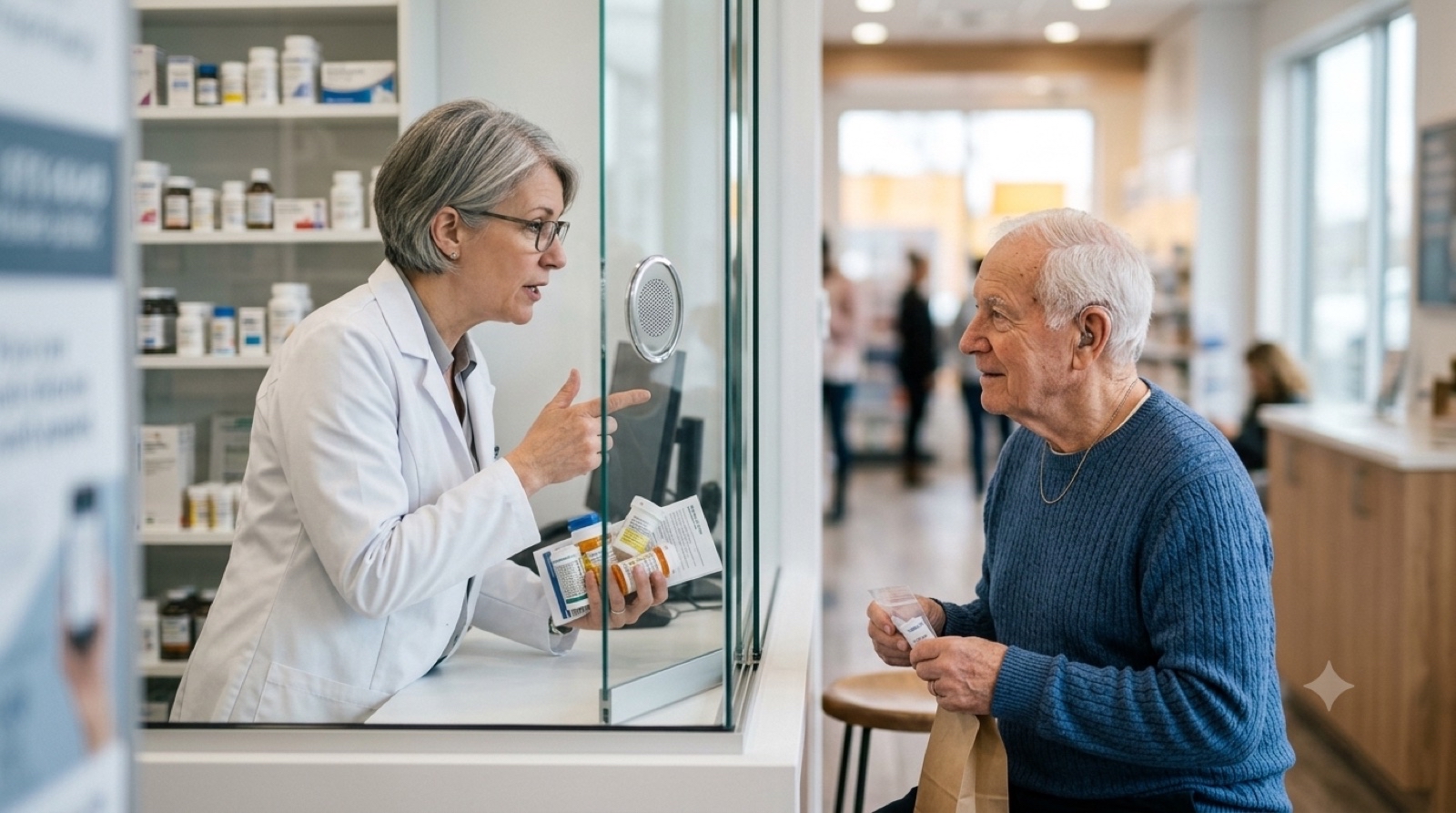
Au Québec, le pharmacien peut prescrire pour certaines conditions courantes.
1. The pharmacist in Quebec: an expanded health professional
In Quebec, the pharmacist's role has been significantly expanded since 2015. A Quebec pharmacist can:
- Prescribe certain medications for common conditions
- Adjust doses of existing medications
- Extend a prescription when medically appropriate
- Substitute a medication with a generic equivalent
- Order laboratory tests in certain contexts
For a newcomer without a family doctor yet, the pharmacist is often the most accessible health professional — no appointment needed, often open evenings and weekends, present in almost every neighbourhood.
2. What the pharmacist can treat directly
Common conditions that a Quebec pharmacist can help with directly — no doctor appointment needed:
- Uncomplicated urinary tract infections (UTIs) in adult women — the pharmacist can diagnose and prescribe appropriate antibiotics.
- Mild eye infections (allergic or mild bacterial conjunctivitis)
- Common skin conditions — mild eczema, contact dermatitis, some fungal skin infections
- Emergency contraception
- Renewal of chronic medication prescriptions (blood pressure, diabetes, etc.) when you've run out
- Minor common conditions — mouth ulcers, mild hemorrhoids, warts
Don't hesitate to ask your pharmacist if they can help before booking a clinic appointment.
3. The major pharmacy chains in Quebec
Major pharmacy chains in Quebec:
- Jean Coutu — most iconic Quebec chain, ~400 locations province-wide
- Pharmaprix (Shoppers Drug Mart) — very present in Montréal and major cities
- Brunet — another Quebec chain with strong regional presence
- Familiprix — banner of affiliated independent pharmacies
Most are open 8 am–10 pm weekdays, reduced hours Sundays. Some Pharmaprix locations in Montréal are open 24/7. To find the nearest open pharmacy after hours, search pharmacie ouverte on Google Maps.
4. How pharmacy is reimbursed in Quebec
In Quebec, the general drug insurance plan is mandatory. If you don't have private or group drug insurance, you must enrol in the RAMQ public plan. This plan covers part of the cost of the vast majority of prescription medications. You pay an annual deductible and co-insurance — your maximum annual contribution is capped based on your income.
If you have group drug insurance through your employer, it replaces the public plan.
For over-the-counter medications (no prescription), you pay entirely out of pocket unless your private insurance covers it.
5. See also
These related guides may be useful:
- RAMQ — your basic medical coverage — understanding provincial health insurance.
- Hospital vs. CLSC vs. clinic — how to choose where to go.
- Drug insurance in Quebec — public RAMQ plan or private, for your prescriptions.
- Seeing a doctor in Quebec — when the pharmacist isn't enough.
6. Official sources
- For the RAMQ general drug insurance plan: ramq.gouv.qc.ca
- For the RAMQ list of covered medications: RAMQ website
- To find a pharmacist: Ordre des pharmaciens du Québec — opq.org
Author's Note: the next time you're hesitating between going to the ER and waiting for hours, or staying home not knowing what to do, first try calling 811 to speak with a nurse — it's free and available 24/7. The nurse will tell you whether your situation requires the ER, a walk-in clinic, or whether your pharmacist can help. This filter often saves you hours of unnecessary waiting.