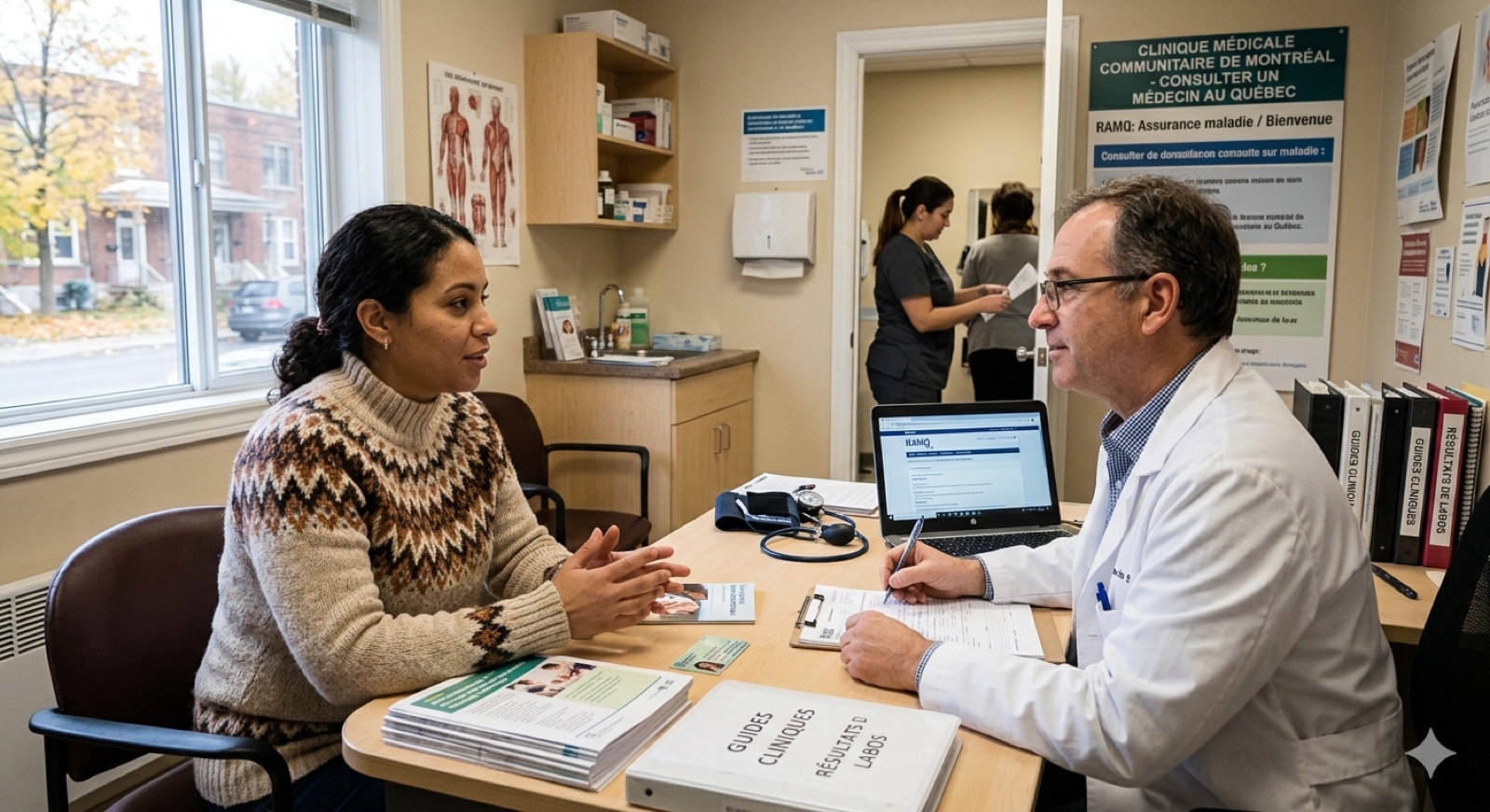
Consulter un médecin au Québec — chaque situation a sa porte d'entrée.
1. First: the RAMQ card
To consult for free, you need your RAMQ card.
Waiting period: 3 months for new permanent residents. During this time, get private insurance.
2. Finding a family doctor
For an assigned family doctor, register with the GAMF.
Wait time: sometimes several years. In the meantime, use the other options.
To register, you need a valid RAMQ health-insurance card and must not already have a family doctor. Register online or by phone at 1 844 313-2029 (option 2) — the earlier you register, the sooner the wait counts. Declare every health condition: the GAMF sets priority based on your medical profile (chronic illness, pregnancy, age).
Three acronyms to remember: GAMF — the waiting list to get a family doctor; GAP — the counter to get care when you don't have one (811, option 3); GMF — a clinic where several doctors, nurses and other professionals work together.

3. Walk-in clinics
Walk-in clinic:
- Arrive early, at opening
- Wait: often several hours
- Booking sometimes possible on Bonjour-santé or Clic Santé
4. Info-Santé 811
Info-Santé 811: dial 811.
- Free, 24 hours a day
- A nurse triages you
- Service in French and English
5. The CLSC: your neighbourhood's free entry point
You'll see the word CLSC everywhere in Quebec. A CLSC is a public health and social-services facility rooted in your neighbourhood, and most of its services are free. You don't need a family doctor to go there.
Nearly every CLSC offers:
- Nursing care — dressings, blood draws, blood-pressure follow-up
- Vaccination, for children and adults
- Pregnancy follow-up and post-birth support
- Psychosocial services — meeting a social worker
- Sometimes emergency food vouchers in a crisis
To find your CLSC: it depends on your address — search “find a CLSC” on Québec.ca with your postal code, or dial 811. For many services, like vaccination or seeing a nurse, you can simply walk in or call for an appointment, without being registered with the GAMF.
6. When to go to the ER
Go to the ER only for:
- Chest pain or breathing difficulty
- Major injury or loss of consciousness
- Alarming symptoms in a young child
For non-urgent cases, the wait is often over 12 hours.
7. Telehealth
Telehealth (Quebec restricts private telehealth to doctors not enrolled in RAMQ, so it isn't cheap):
- Maple — about $210 per consultation, or $95/month for unlimited access
- médecin de famille.ca — about $180 per consultation
- Dialogue exists too, but only if your employer or insurer offers it — in that case it's usually free for you; it isn't something you can sign up for and pay out of pocket on your own
- Useful for simple questions and prescription renewals
8. Family medicine groups (GMF)
Family medicine groups (GMF) are clinics combining several doctors, nurses, and other professionals. If your family doctor works at one, you can see a nurse practitioner or another group doctor in urgent cases. Often faster than classic walk-in clinics.
9. Which door should you choose?
Each type of service has its entry point. The right reflex depends on severity, time of day, and your RAMQ status. The table below summarizes the most common options for fast decisions.
Without a valid RAMQ card, most of these services become billable at the private rate: the official minimum tariff for an uninsured patient is about $62 for a doctor's visit and a minimum of $716 to be admitted to the ER, but a private clinic can charge more — commonly $150 to $400. That's why the 3-month waiting period makes private insurance genuinely essential at the time of arrival.
| Situation | Service to use | Cost with RAMQ |
|---|---|---|
| Quick advice, medical doubt | Info-Santé 811 | Free |
| Cold, gastro, sore throat | Walk-in clinic | Free |
| Simple prescription renewal | Telehealth or pharmacist | 0 to 210 $ |
| Ongoing chronic follow-up | Family doctor (GMF) | Free |
| Chest pain, serious injury | Hospital ER or 911 | Free |
| Alarming symptom in a baby | 811 then paediatric ER | Free |
| Question in the evening or at night | Info-Santé 811 (24 h) | Free |
| Quick consultation from home | Maple, médecin de famille.ca | 180 to 210 $ |

10. Children: where to get care
In many countries, you bring your child to an assigned paediatrician for every little thing. In Quebec, it works differently: most children are followed by a family doctor, not a paediatrician, and the paediatrician mainly steps in for more complex cases, often by referral. For everyday care, the clinic, the CLSC or 811 answer.
The CLSC is especially useful with a baby or young children: children's vaccination, breastfeeding clinics, newborn follow-up and family-health services. When your child is sick in the evening or on the weekend and you're not sure how serious it is, dial 811 — a nurse assesses the situation with you. For alarming symptoms in a very young child — high fever, lethargy, trouble breathing — go to the paediatric ER without hesitation. Register the whole family with the GAMF as soon as you arrive.
11. Your action checklist
Here are the concrete steps to master access to care in Quebec. Check each box as you go — your progress is saved if you're signed in.
12. Frequently asked questions
The most common questions from newcomers about seeing a doctor in Quebec: how long to get a family doctor, can you be seen without a RAMQ card, what's the difference between 811 and 911, and what to do on a weekend evening.
Are CLSC services free?
Yes, most services are free with a valid RAMQ card. The CLSC is a public institution, part of Quebec's health system.
Do I need a family doctor to go to the CLSC?
No. The CLSC is precisely one of the entry points designed for people without a family doctor — nursing, vaccines and social-worker services don't require a GAMF registration.
Can I go to any CLSC?
Your CLSC depends on your address: each one serves a defined territory. Check your CLSC on Québec.ca with your postal code, or ask 811.
Can I register with the GAMF without a RAMQ card?
No. GAMF registration requires a valid RAMQ health-insurance card. Get your RAMQ card first — it usually takes a few months — and register as soon as you have it, since the wait counts from your registration date.
Where do I get my child vaccinated?
The easiest place is the CLSC — children's vaccination is a standard CLSC service, walk-in or by appointment, no family doctor needed. Schools also organize vaccinations.
How long does it take to get a family doctor in Quebec?
It varies a lot by region and priority level, but it's long everywhere. Provincewide, the average GAMF wait was about 15 months (as of late 2025), and up to 20 months for people not flagged as a priority case. The hardest-hit areas include Montréal and its South Shore periphery, along with a few specific regions (Estrie, parts of Montérégie) where the average exceeds 18 months — it isn't simply “faster in the city, slower in the country.”
The GAMF assigns priority based on your medical profile (chronic illness, pregnancy, age) — declare every relevant condition when you register. While you wait, walk-in clinics, GMFs without an assigned doctor and Info-Santé 811 cover most needs.
Can you see a doctor without a RAMQ card?
Yes, but you pay out of pocket at the private rate, and there's no fixed price — clinics set their own rates. As a benchmark, the official minimum tariff a Quebec health institution charges an uninsured patient is about $62 for a doctor's visit and a minimum of about $716 to be admitted to the ER (physician fees billed separately) — private walk-in clinics often charge more, commonly $150 to $400 for a full consultation.
This is the situation for new permanent residents during the 3-month waiting period — which is exactly why short-term private insurance is recommended to cover the gap. Telehealth services like Maple (about $210/consultation) also accept patients without RAMQ at their usual private rate.
What's the difference between 811 and 911?
811 (Info-Santé) is the free 24/7 nurse line for medical advice — fevers, suspicious symptoms, doubts about whether to go to a clinic.
911 is the emergency line for situations that are life-threatening: chest pain, severe bleeding, loss of consciousness, breathing difficulty, suspected stroke.
If you're not sure, call 811 first — the nurse will tell you immediately if you should dial 911 or go to the ER. Calling 911 for a cold blocks dispatchers; calling 811 for chest pain wastes critical minutes.
What do you do on a Sunday evening if you get sick?
First reflex: call 811. The nurse triages you and tells you what to do.
For a non-serious problem, she might suggest waiting until Monday morning, taking an over-the-counter pharmacy product, or direct you to a walk-in clinic still open in the evening (some Montréal and Québec City clinics open until 9 or 10 pm).
For a more pressing problem, telehealth services like Maple (about $210/consultation, unless your employer gives you free access to Dialogue) often have doctors available evenings and weekends within an hour. The ER stays a last resort for genuinely serious situations.
13. See also
Related guides that may help:
- Get your RAMQ health insurance card — the prerequisite for public consultations in Quebec.
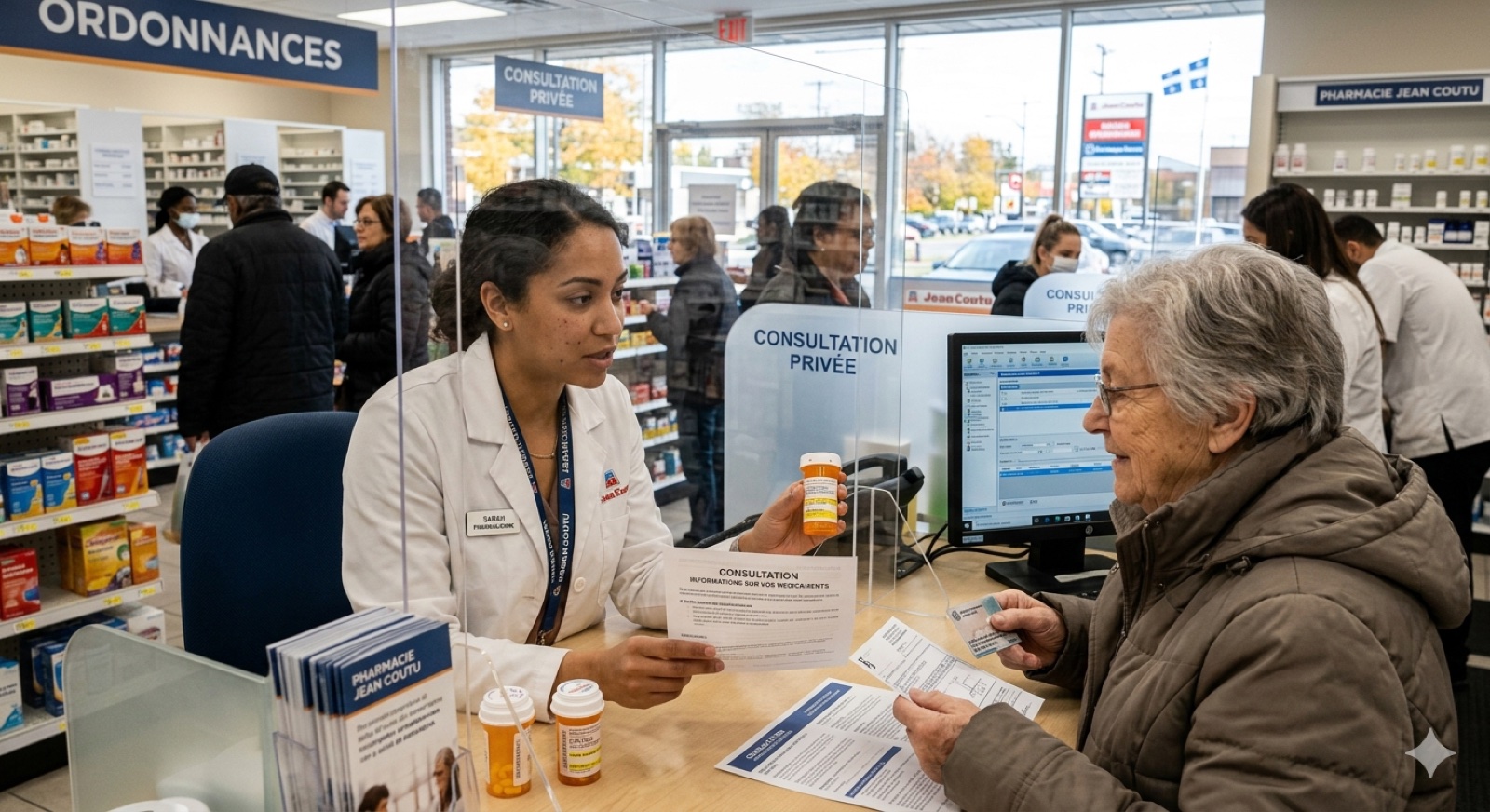
- Pharmacies and prescriptions — how prescriptions and the drug insurance plan work.
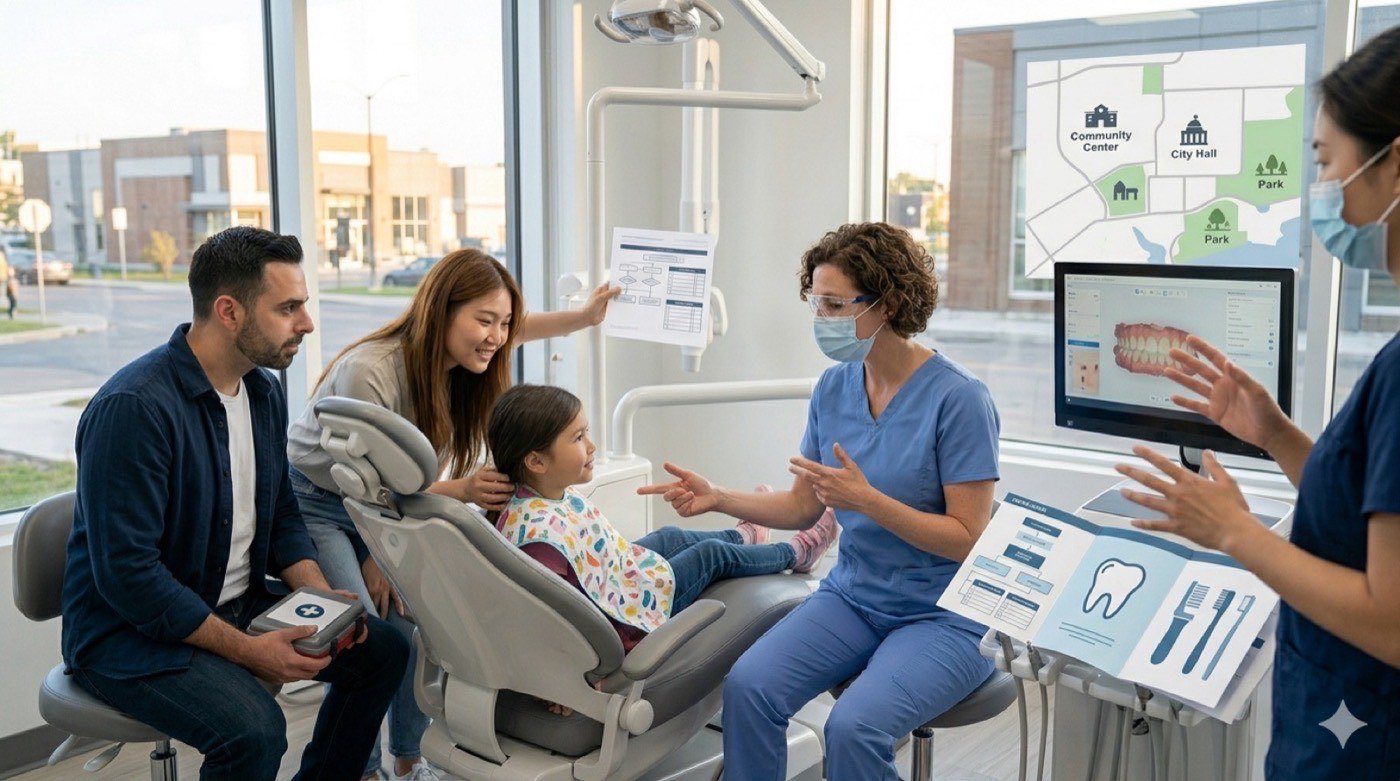
- Going to the dentist in Quebec — accessing dental care, mostly outside RAMQ coverage.
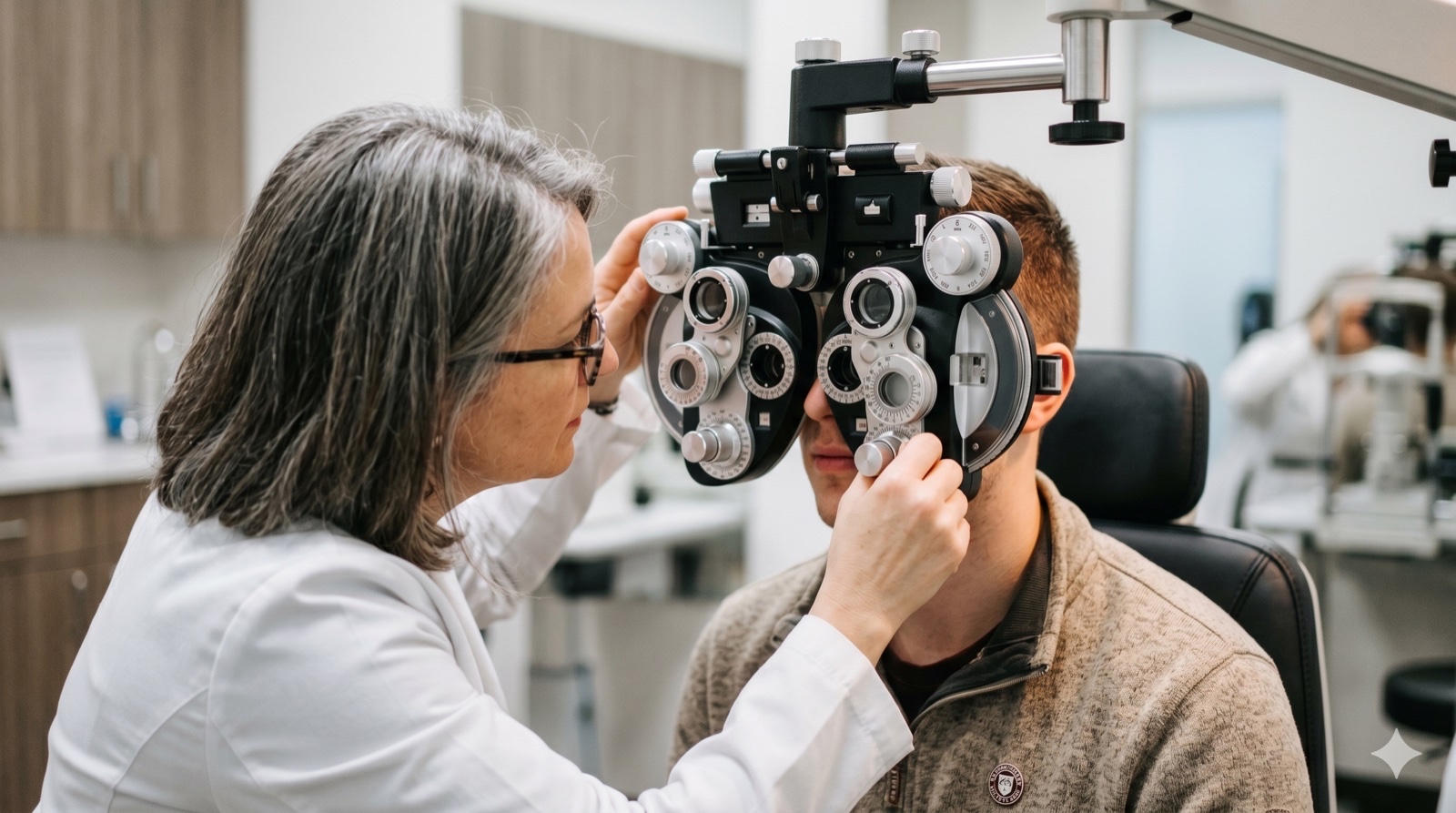
- Optometrist and Glasses in Quebec — another care category mostly outside RAMQ coverage, worth budgeting for separately.
14. Official sources
For official information:
- Carnet santé Québec
- Info-Santé: dial 811
The other official sources — GAMF, Bonjour-santé, Clic Santé, fees for uninsured patients — are linked directly in the relevant sections of this guide.
Author's Note: Healthcare in Quebec is free but slow. Register with the GAMF as soon as you have your RAMQ card, keep 811 in your contacts, and learn the difference between urgent and serious.