1. What is a welcome class?
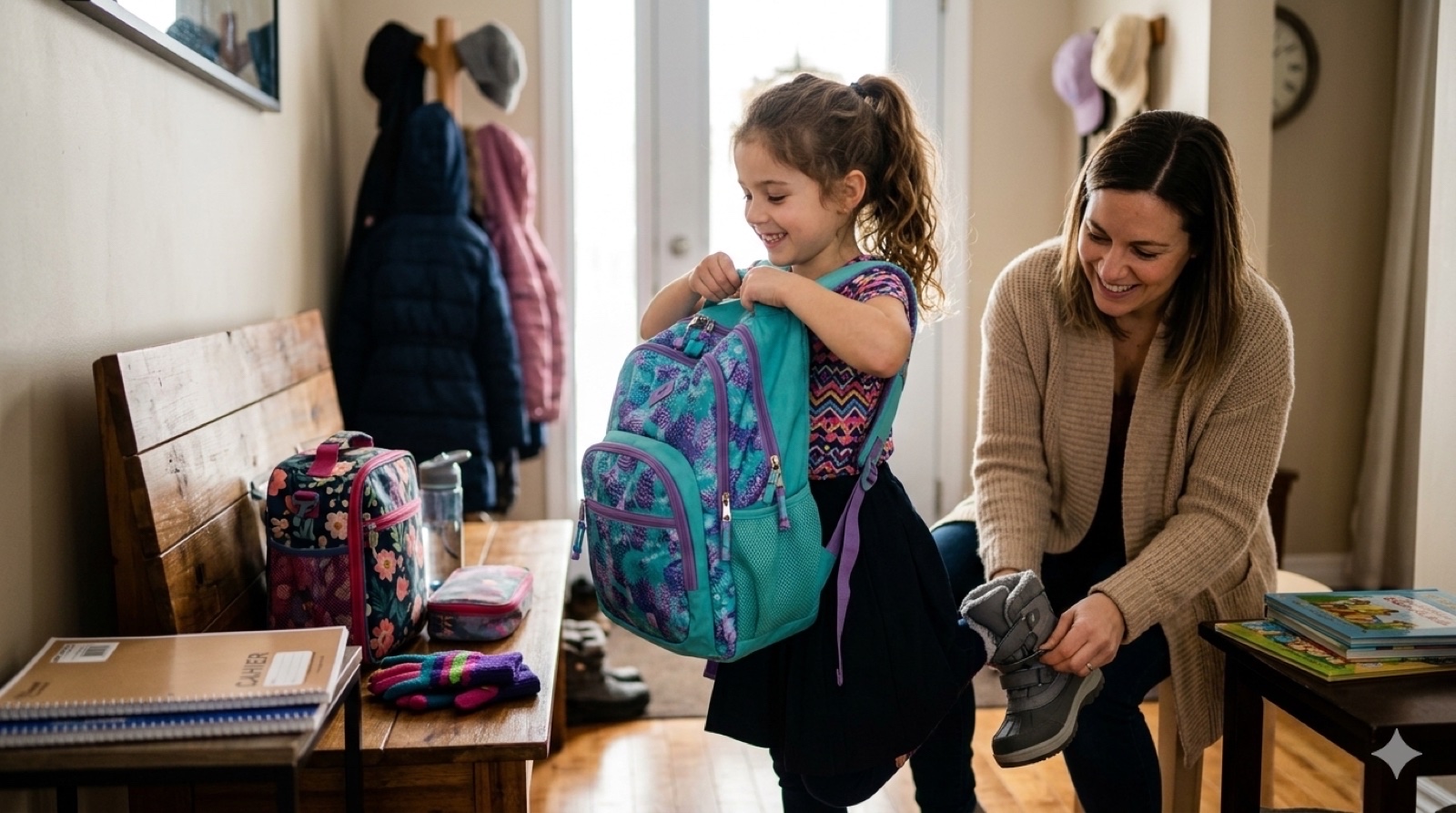
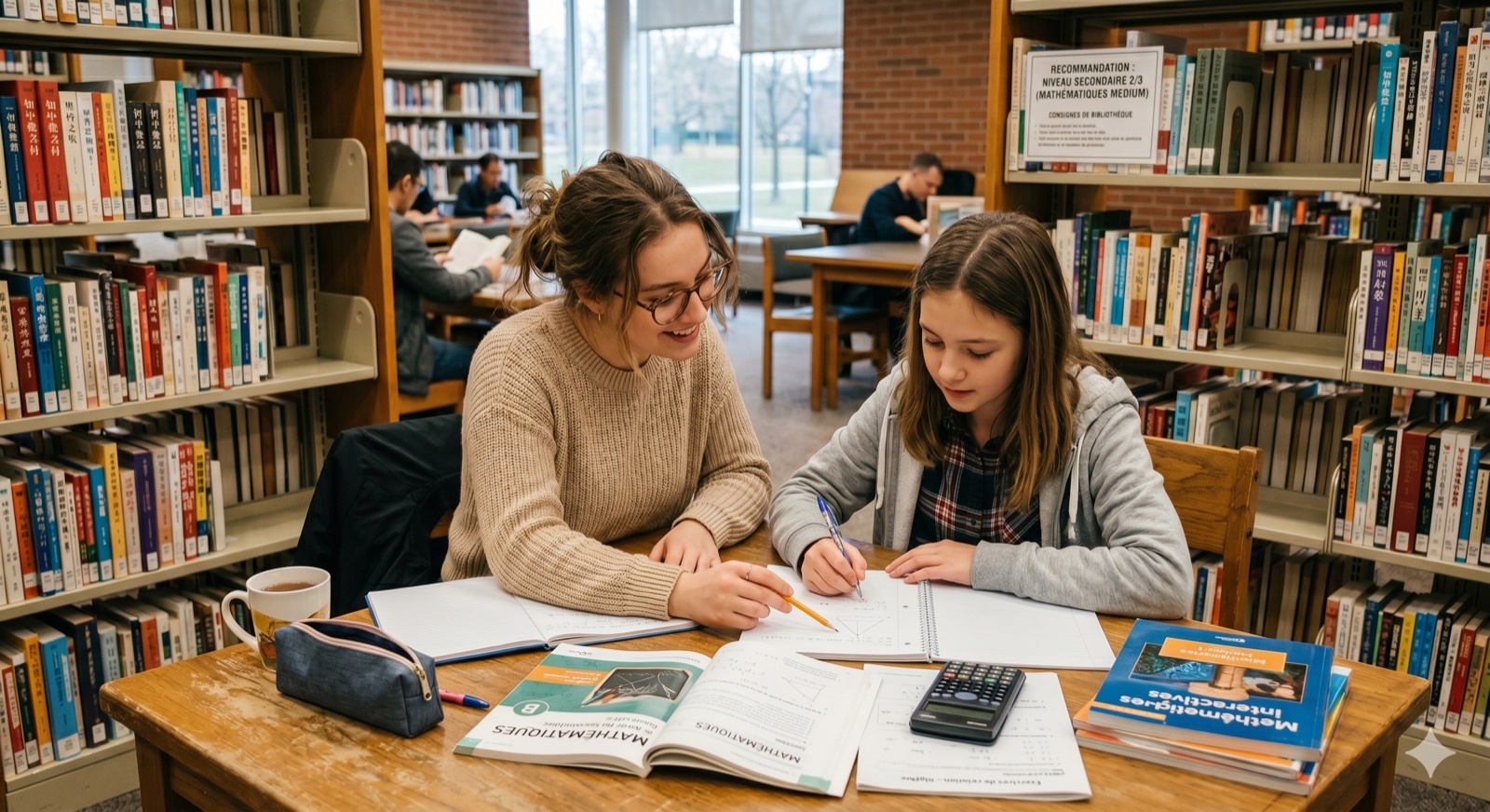
When a child who doesn't yet speak French arrives in Quebec, the school doesn't leave them to fend for themselves in a regular class. It offers welcome and French-support services — often in what's called a classe d'accueil (welcome class). There the child learns French intensively and gradually integrates into Quebec school life, until they can follow regular instruction in French. Depending on each school's setup, this support is given in a separate welcome class or directly in the regular class with French help.
2. Your child has the right to school — whatever your status
This is a key, reassuring point: in Quebec, every child whose parent habitually lives in the province has the right to free public education, regardless of their own or their parents' immigration status. No one will refuse your child school because your papers are being processed. Schooling is mandatory from ages 6 to 16. Don't delay enrolment thinking you must first regularize your situation: enrol the child, then provide whatever documents you have.
3. Where it goes through: the school service centre
In Quebec, public schools are grouped under a school service centre (centre de services scolaire, or CSS) covering your area. It — or your neighbourhood school directly — handles admission, assessing the child's French level, and assigning welcome services. Many CSS have a desk for newly arrived students. Search online for your city's centre de services scolaire, or ask the nearest school: they'll point you to the right door.
4. Documents to bring
Prepare what you can before the admission appointment. You'll generally be asked for:
- proof of the child's age (such as a birth certificate);
- proof of your Quebec address;
- your immigration documents;
- the child's report cards or school file if you have them, even in another language.
If a document is missing or in another language, don't give up: bring what you have, and the school will tell you what can be completed later or translated.
| Documents | Mandatory? | Note |
|---|---|---|
| Proof of child's age (birth certificate) | Recommended | Another proof accepted if absent |
| Proof of Quebec address | Yes | Lease, bill, letter from an organization |
| Immigration documents (permit, CAQ, passport) | Yes | Regardless of status |
| Report cards or prior school file | Useful | Accepted even in another language |
| Certified translation of report cards | No | May be requested later if needed |
5. The steps, from first call to first day
Here's the usual path:
Your action list
0 of 5 done
6. Frequently asked questions
Here are the questions newly arrived parents ask most about the welcome class: how long the child stays, whether school is really free, and what happens to their mother tongue.
How long does a child stay in a welcome class?
It varies a lot by child — age, prior schooling, and how fast they pick up French. The goal is to move into the regular class as soon as the child can follow instruction in French. There's no fixed deadline; the school team reassesses regularly. Ask the teacher how progress is measured.
Is public school really free?
The instruction itself is free. You may still pay for some school supplies, certain activities, lunch-hour supervision, or daycare before and after class. Low-income families can often get help with these costs — ask the school. Don't let the extras stop you from enrolling.
Will my child lose their mother tongue?
Learning French at school doesn't have to mean losing the home language — and keeping it is good for the child. Speak your language at home, read in it, and look for community programs that teach heritage languages. A bilingual or multilingual child is an asset, not a problem.
7. See also
These related guides may be useful:
- The Quebec school system — the big-picture overview from primary to secondary.
- Free Francisation Québec courses — for parents learning French themselves.
- Subsidized daycare in Quebec — for children before school age.
8. Official sources
For official, up-to-date information, see these pages:
- Integration of students from immigration — Ministère de l'Éducation
- School in Quebec — Québec.ca
- Your regional school service centre's site (search 'centre de services scolaire' + your city's name)
Author's Note: your child will learn French faster than you think — children absorb a language through play and school. Your one real job is to open the door early: a call to the school service centre, an appointment, and whatever documents you have. The school handles the rest.