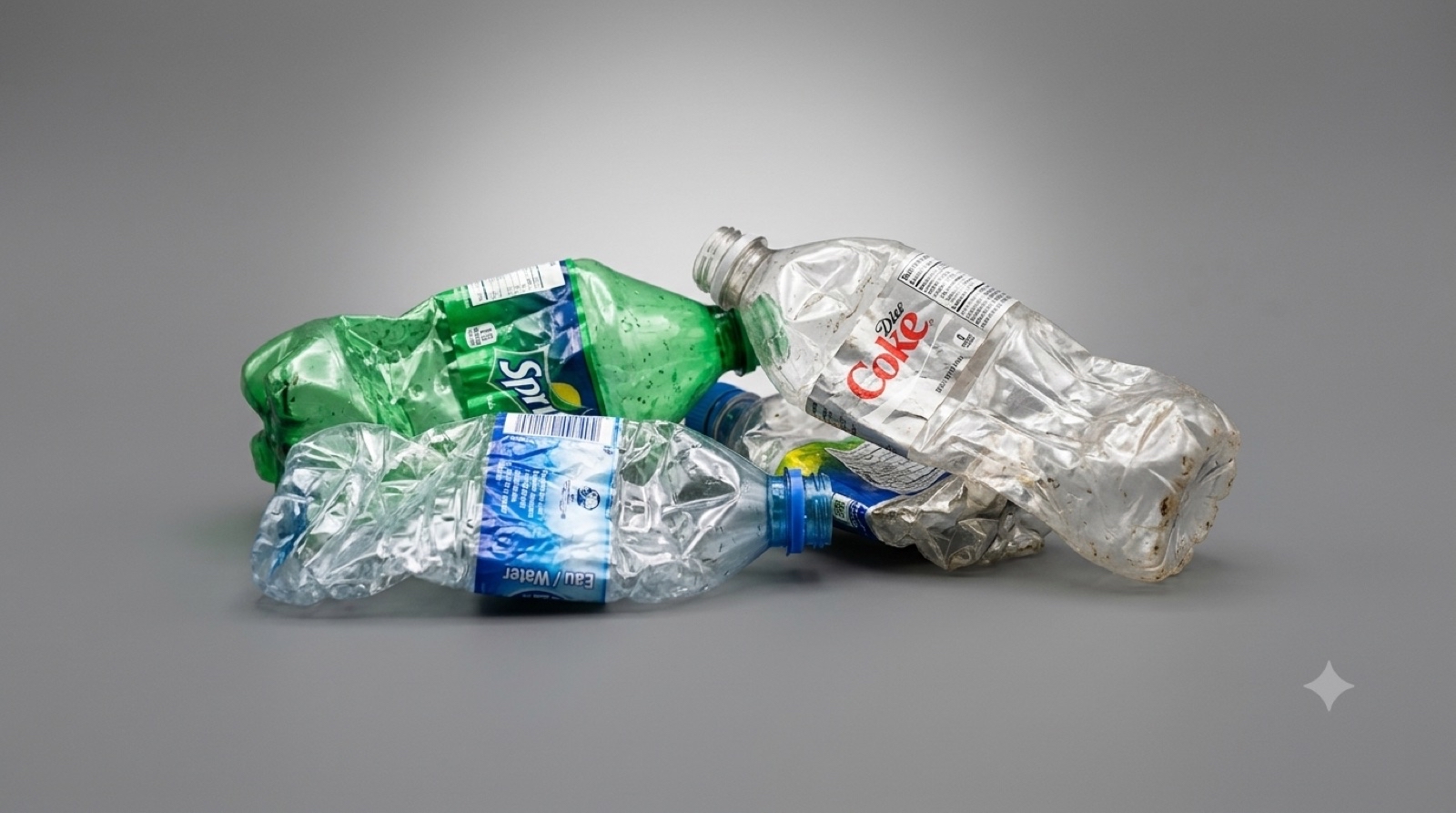
Le système de collecte sélective québécois est l'un des plus avancés au Canada.
1. The bottle and can deposit
The bottle deposit (consigne) is a refundable deposit on certain beverage containers — you pay it at purchase and get it back when you return the empty container.
Current deposit amounts (Consigne Plus):
- 10 cents for most targeted containers (cans, plastic, small containers)
- 25 cents for glass containers 500 ml and over (wine bottles, large beer bottles)
Consigned containers: beer bottles and cans, soft drink bottles, water bottles, juice bottles, and many other beverages in glass, plastic or aluminium. Look for the consigne logo on the packaging.
Return containers to a grocery store or a designated deposit return point.
2. The recycling bin — what goes in
In Quebec, residential recycling is generally done in the blue bin or a wheeled bin depending on your municipality.
What goes in the bin:
- Paper and cardboard — newspapers, flattened cardboard boxes, clean wrapping paper, cardboard packaging
- Metal — aluminium cans, steel food cans, pots and pans without plastic parts
- Plastic — milk bottles, shampoo bottles, yogurt containers
- Glass — glass bottles and jars, rinsed
What does NOT go in the bin: straws, plastic utensils, chip bags, paper coffee cups, diapers, styrofoam.
3. Composting and organic materials
Composting organic materials is available in many Quebec cities and is being rolled out province-wide.
In Montréal, compost is collected in a brown bin or organics bin, with weekly or bi-weekly collection depending on the borough.
What goes in the compost bin:
- Food scraps and meal prep leftovers (including meat, fish and dairy)
- Eggshells, tea bags, coffee grounds with paper filters
- Crumpled newspaper, paper towels and tissues
- Grass and tree leaves
If your borough doesn't yet have organics collection, bring your materials to an écocentre.
4. Écocentres — for special materials
Écocentres are drop-off centres for materials your recycling bin doesn't accept — free for residents.
What you can drop off at an écocentre:
- Electronics — old phones, computers, TVs
- Batteries and cells
- Paints and solvents
- Expired medications
- Motor oils
- Large appliances
Find your nearest écocentre on your city's website.
5. Frequently asked questions
Common questions about Quebec's deposit-return system and recycling rules.
Which containers have a deposit in Quebec?
The deposit applies to the vast majority of beverage containers sold in Quebec — beer bottles and cans, soft drink bottles, water bottles, juice bottles, and many other beverages in glass, plastic or aluminium. Wine and spirits bottles from the SAQ are also subject to a deposit. Containers purchased outside Quebec generally do not have the consigne logo and cannot be returned for a refund.
Where can I return my containers to get my deposit back?
Since the Consigne Plus expansion, you can return your containers at most grocery stores and many convenience stores across Quebec. The retailer is required to accept containers from the brands they sell. Some large stores also have automatic return kiosks (appareils de retour automatique), practical for large quantities. Check consignequebec.ca to find the nearest return point.
What should I do with electronics, batteries and hazardous materials?
These materials must never go in the blue bin or regular garbage. Take them to an écocentre (see section 4), which accepts electronics (phones, computers, TVs), all types of batteries, paints, solvents, motor oils and expired medications, generally free of charge for residents. Some pharmacies also take back medications and used batteries.
What is the difference between the blue bin, the brown bin and the garbage?
The blue bin is for recyclable materials: paper, cardboard, glass, metal and certain plastics — rinsed and sorted by your municipality. The brown bin (or organics bin) is for compostable materials: food scraps, meat, dairy, paper towels and garden waste. The garbage bin is for everything that cannot be recycled or composted: styrofoam, plastic bags, diapers, chip bags, cigarette butts. When in doubt, check your municipality's website — accepted materials vary slightly between cities.
6. See also
These related guides may be useful:
- Garage sales, thrift stores and Kijiji in Quebec — giving objects a second life.
- Balcony gardening in Quebec — composting at home.
- Immigrant family budget — saving on your daily expenses.
7. Official sources
- For recycling rules and écocentres in Montréal: montreal.ca
- For bottle deposits in Quebec: consignequebec.ca
- For waste sorting rules in your city: your municipality's website
Author's Note: on July 1st, the Quebec tradition of leaving furniture and bulky objects on the sidewalk means you often find items in perfect condition — lamps, bookshelves, chairs — left freely. It's spontaneous recycling and entirely legal. Look before letting anything pass by.