1. exo, your link to Montreal
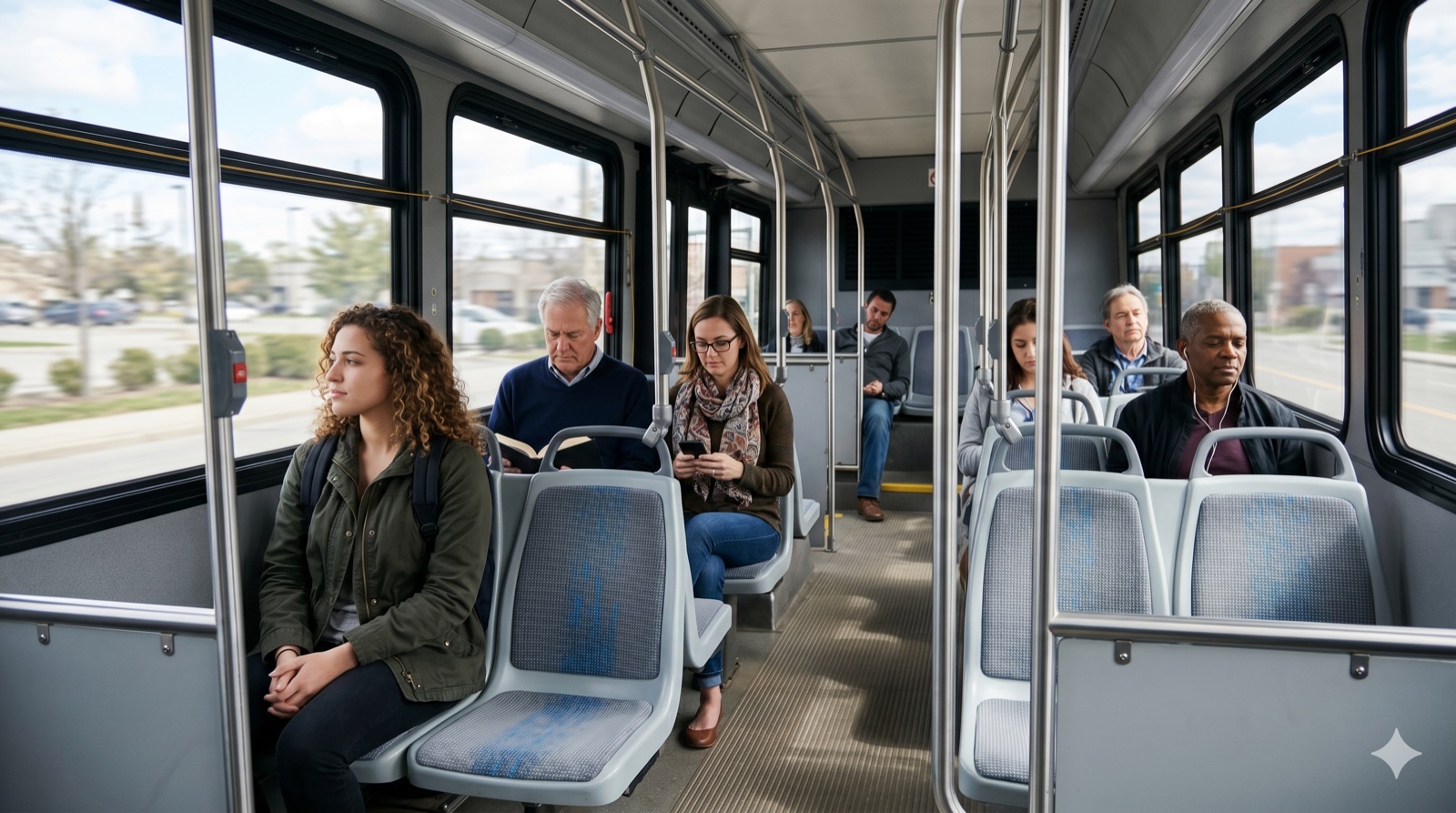
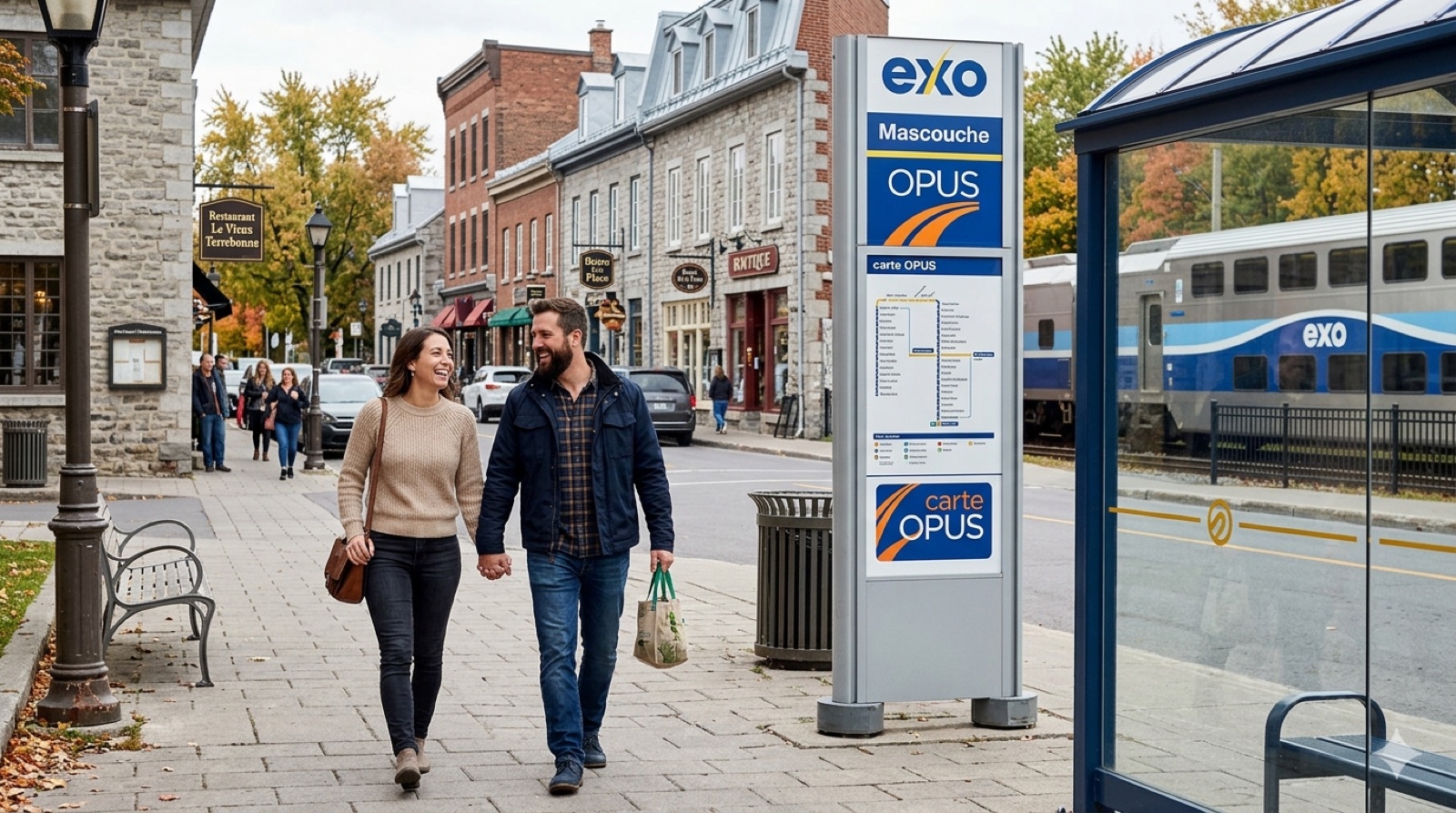
Terrebonne is served by exo, Greater Montreal's regional train and bus network.
The Mascouche train line connects Terrebonne to downtown Montreal in about one hour, with a stop at Central Station. exo also runs several bus routes covering Terrebonne and the north shore.
2. Stations in Terrebonne
The Mascouche line serves several stations in the area: Terrebonne, Mascouche and Sainte-Thérèse. Each station has free park-and-ride for exo pass holders.
Departures are concentrated at rush hour — check the official schedule at exo.quebec, since service is limited in evenings and weekends.
3. OPUS card and fare zones
Greater Montreal is divided into fare zones managed by the ARTM.
Terrebonne is in Zone C. For a train trip to downtown Montreal, the ALL MODES ABC pass is required. The monthly pass is almost always cheaper for daily commuters.
4. Where to get and reload your OPUS card
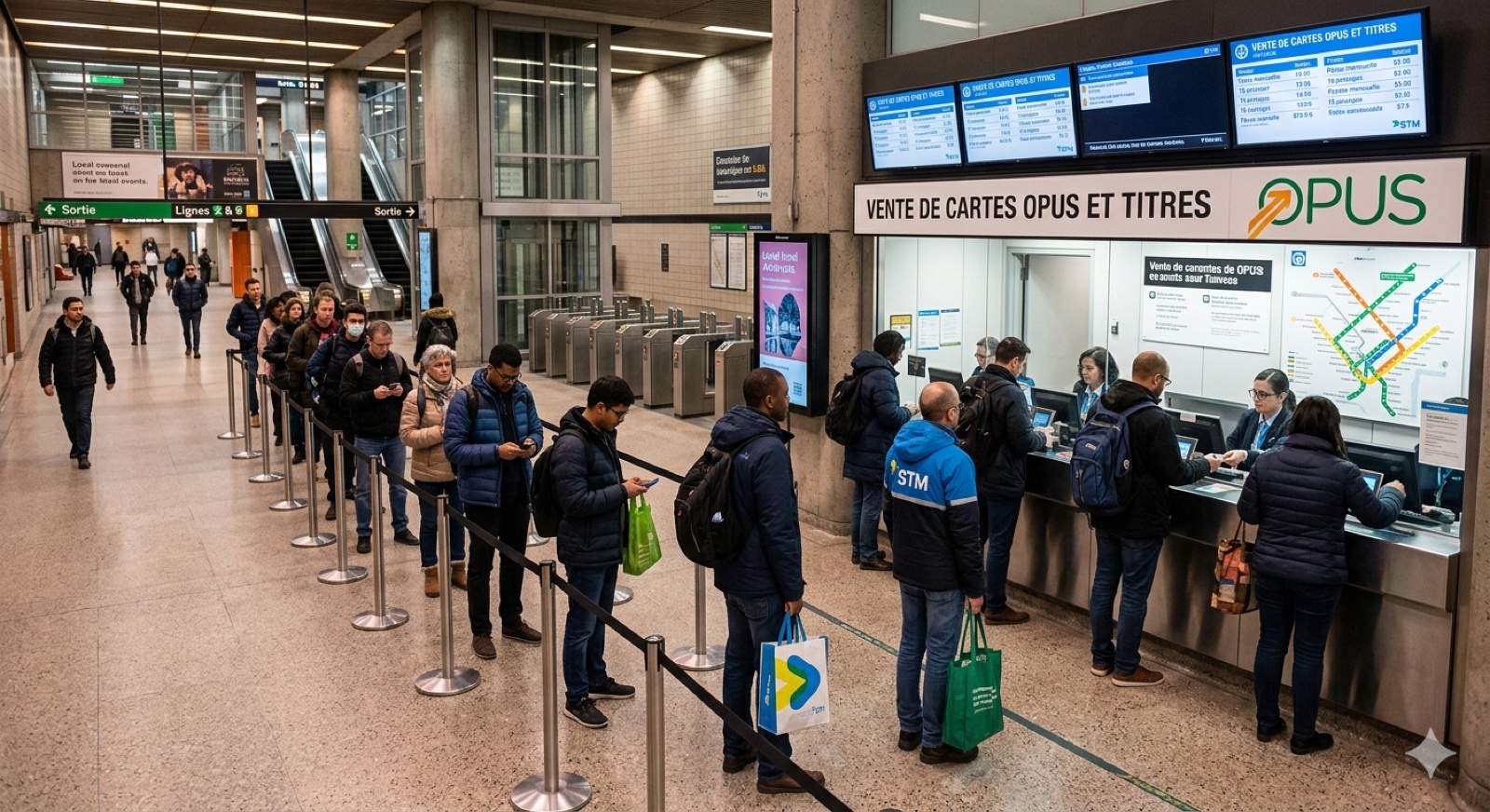
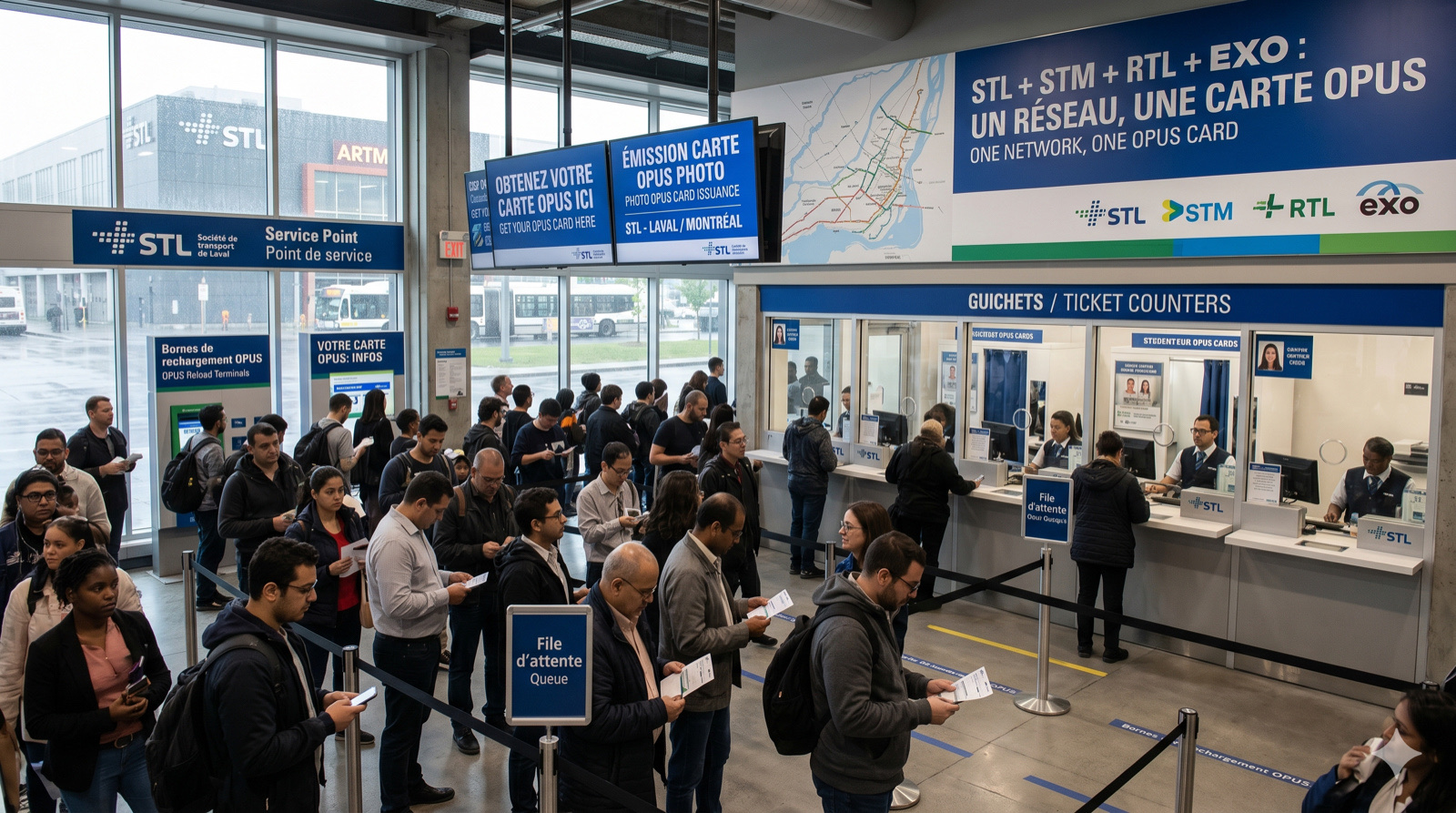
You can buy an OPUS card at the ticketing machines in exo stations, or at participating pharmacies and convenience stores. Reloading can also be done online via the ARTM site.
The photo OPUS card is required for reduced fares.
5. Train or bus: choose by your destination
Three typical trips sum up Terrebonne–Montreal mobility:
- Downtown Montreal — Mascouche train from Terrebonne station, about one hour to Central Station; simplest mode
- East-end Montreal or Laval — certain exo express bus routes can be more direct than the train, which lands far from those sectors
- North suburbs or Lanaudière — the car is almost always more efficient; the network is Montreal-oriented
6. Fares at a glance
ARTM fares are set by fare zone and pass type. Since Terrebonne is in Zone C, the monthly ALL MODES ABC pass allows unlimited exo train, Montreal metro and bus rides.
Single tickets only pay off for occasional trips.
Always check the up-to-date fare grid at artm.quebec before buying — prices are adjusted yearly. At 2026 rates, a single ALL MODES ABC fare costs $7 and the monthly pass $206: the monthly pass pays off as soon as you exceed about 30 trips per month.
For children 11 and under accompanied by an adult, transit is free on most networks.
| Pass | Covers | Who for |
|---|---|---|
| ALL MODES ABC monthly | exo + Montreal metro + bus | Daily commuter |
| ALL MODES ABC single | One-way zones ABC | Occasional traveller |
| ALL MODES A monthly | Island of Montreal only | Not enough for Terrebonne |
| OPUS card (support) | Single purchase | All riders |
| Photo OPUS card | Reduced fares | Students, 65+ |
7. Park-and-ride lots and combining car with train
Free park-and-ride lots are the key to the exo model: you arrive by car, leave your vehicle at the station, and take the train or bus to Montreal.
In Terrebonne, the lot at the exo Mascouche station is heavily used. Arrive early at rush hour — spots near departures often fill before 7:30 am. Free parking is a major advantage versus downtown Montreal parking, which easily costs $300 to $500/month.
8. Frequently asked questions
The most common questions from new Terrebonne residents about transit: real travel time to downtown Montreal, train frequency evenings and weekends, choosing between car and train based on work profile, and what to do during service interruptions.
How long does it really take to get downtown Montreal on the Mascouche train?
Plan about 60 to 75 minutes door to door, depending on time of day. The train ride from Terrebonne station to Central Station takes about 60 minutes at rush hour.
Add 5 to 10 minutes of waiting at departure and a short walk from the lot to the platform. If you continue with metro or STM bus, add 10 to 20 minutes. Off-peak (evenings, weekends), service is much rarer and a return trip can require waiting up to an hour for the next train.
Does the Mascouche train run in the evening and on weekends?
Yes, but with much reduced frequency compared to rush hour. The Mascouche line is primarily designed for weekday commuters: several departures every 30 to 45 minutes between 6 and 9 am then 3:30 to 7 pm, and one departure per hour or less in the late evening.
Weekend service exists but is light — sometimes only a few trains per day. Always check the current schedule on exo.quebec or via the Chrono app. For atypical work hours, an exo bus or a car can be a more reliable backup.
Car or train: which should I choose if I live in Terrebonne and work in Montreal?
Depends on destination, hours and budget.
- Downtown — the train wins on time, comfort and cost: downtown parking at $300 to $500/month versus a much-cheaper monthly ABC pass
- East-end Montreal or Laval — an exo express bus or the car can be more direct; the train arrives at Central Station in the south
- Atypical hours (evening shifts, weekends) — the car is often necessary; train frequency drops sharply
Test your real commute on a Monday morning at 7:30 before committing.
What to do if the Mascouche train is delayed or interrupted?
exo posts delays and interruptions in real time on the Chrono app and on exo.quebec.
- Short delays (10 to 30 min) — waiting on the platform is usually the right call
- Longer interruptions — exo sometimes deploys replacement buses, but service can stretch well beyond a normal trip
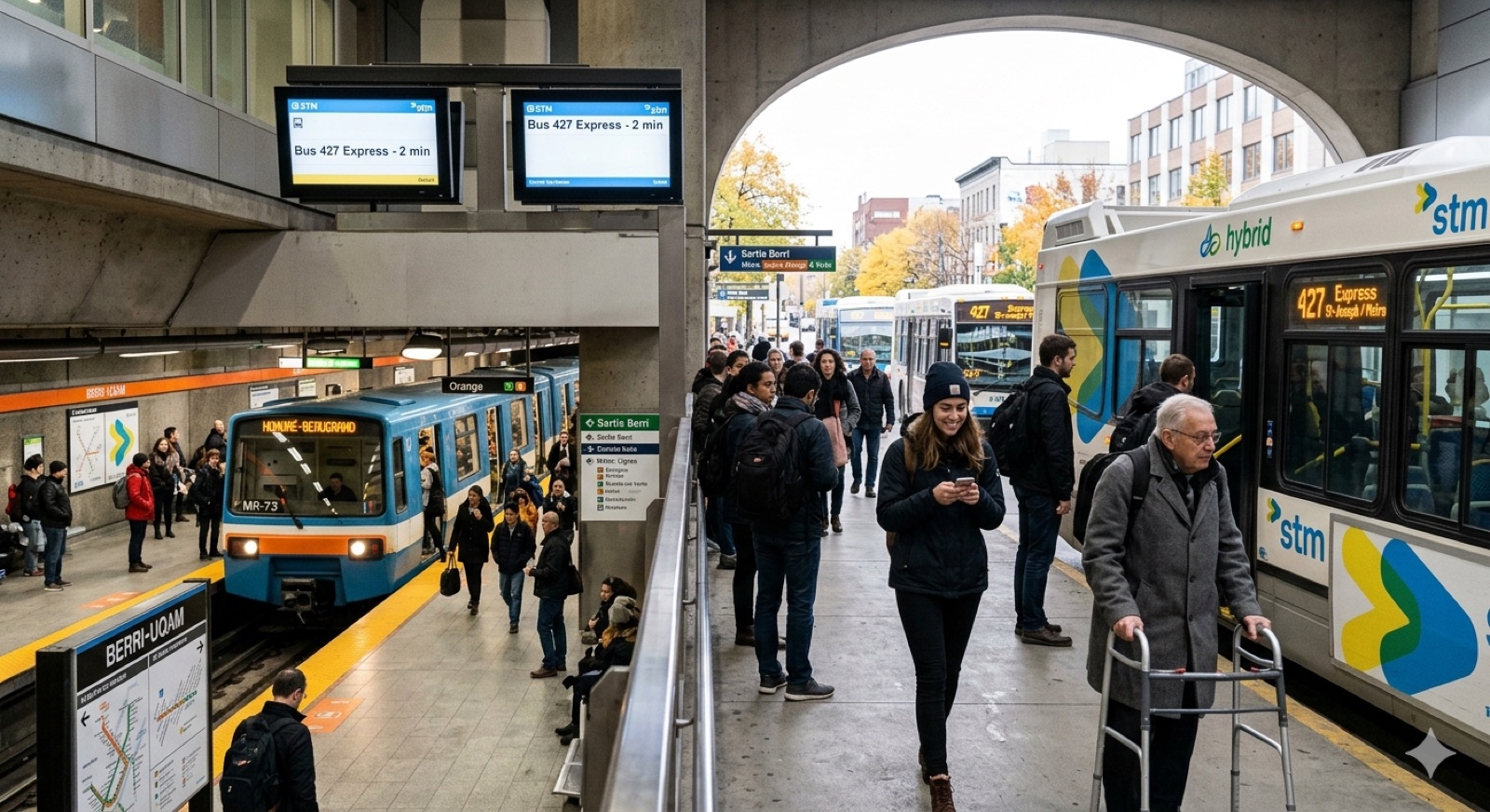
- Plan B — carpool, an STM bus to Henri-Bourassa metro then the orange line, or working from home if your employer allows
The Mascouche line had several disruptions linked to REM construction in past years; check exo's notices section at peak times.
9. See also
To go further on Terrebonne-Montreal mobility:
- Read using the Montreal metro and bus (STM) to continue your trip after Central Station.
- Consult first steps in Terrebonne to combine OPUS, 311 and municipal services.
- Prepare your move with finding housing in Terrebonne to target an area near an exo station.
10. Official sources
Customer service for exo: 1 833 allo-exo.
Author's Note: If you work in Montreal and live in Terrebonne, plan your day around train schedules — service is less frequent than within Montreal itself. A car may be necessary in addition.