Le RTC : transport en commun à Québec.
1. What is the RTC?
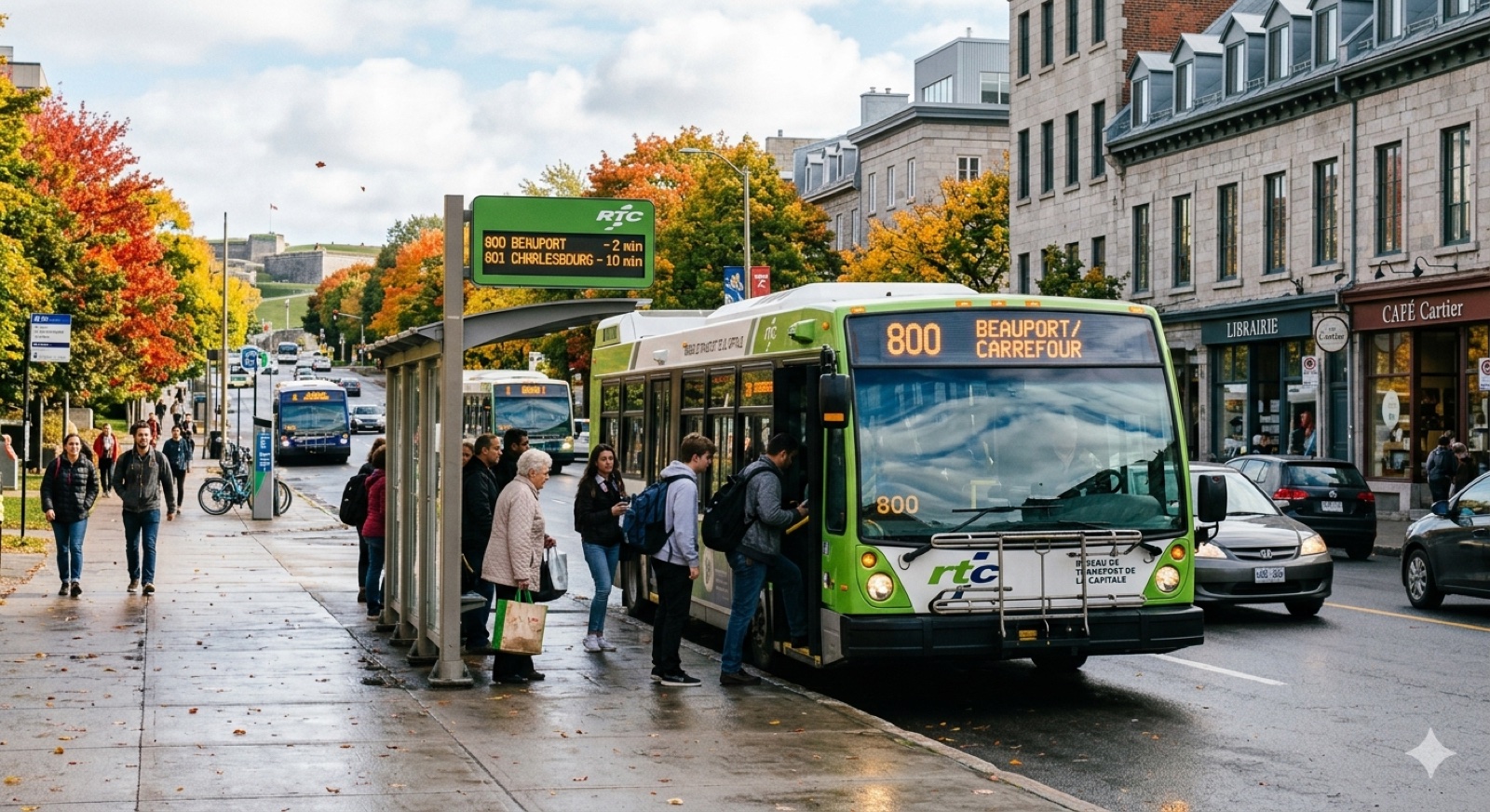
The RTC, or Réseau de transport de la Capitale, is the bus authority serving Quebec City and surrounding areas. It is the simplest and most affordable way to get around without a car.
2. How do you pay for a ride?
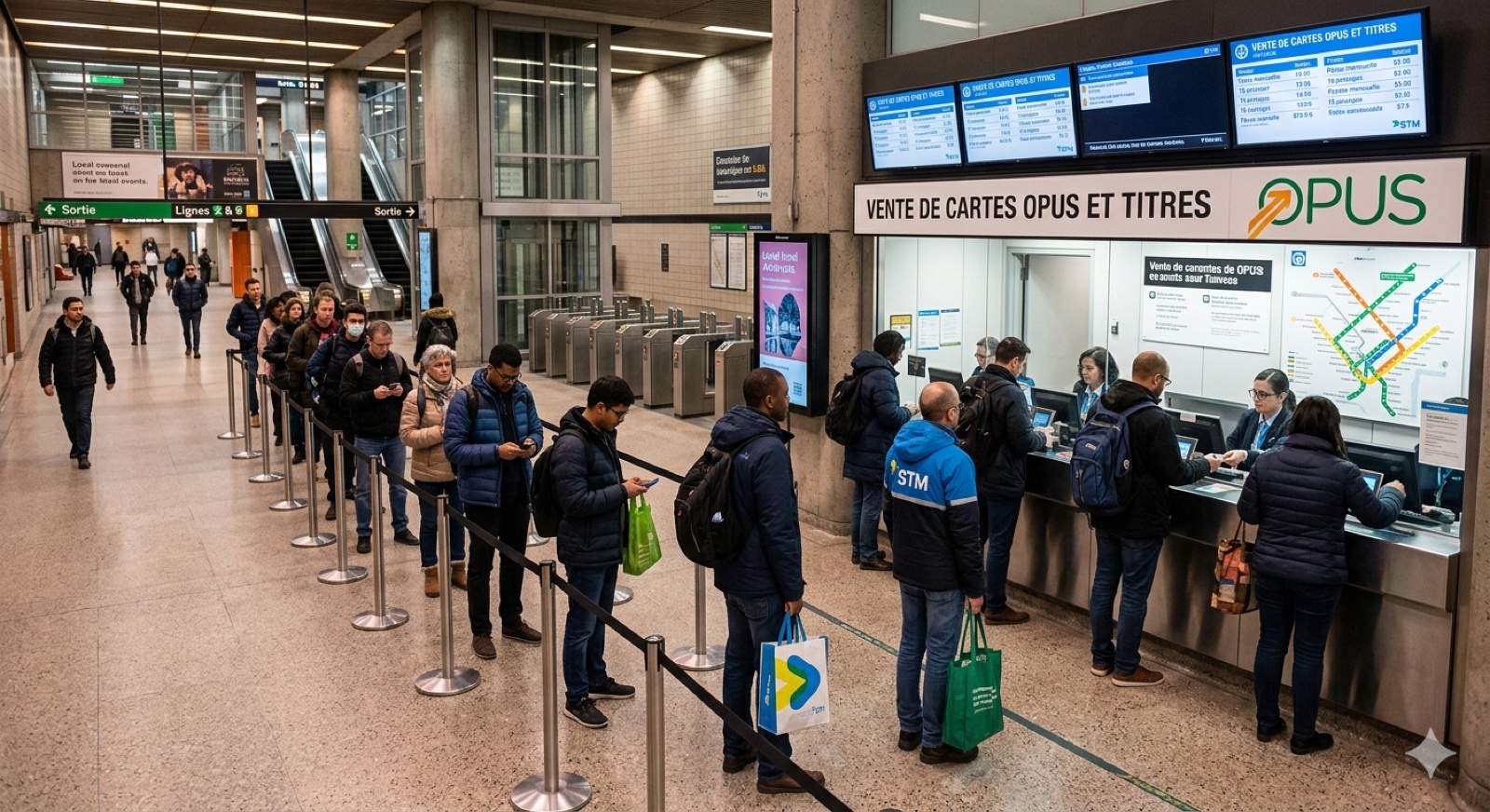
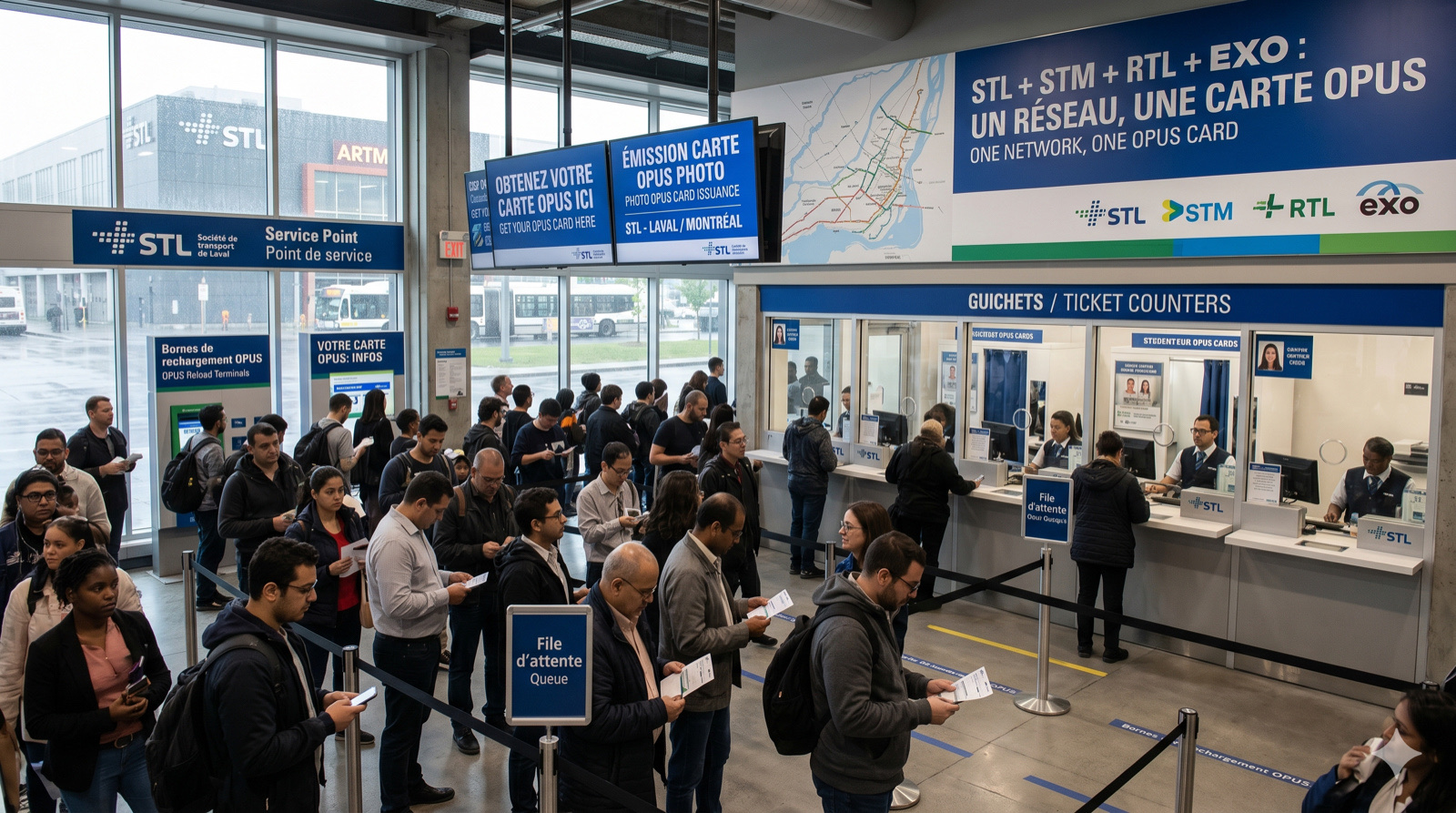
You can pay in cash directly on board, but the fare is cheaper with an OPUS card. This rechargeable card lets you buy single tickets, multi-ride passes, or a monthly pass.
3. The main lines (Métrobus)
The Métrobus network groups the RTC's fastest and most frequent lines: 800, 801, 802, 803, 804 and 807.
Coverage:
- Main neighbourhoods: Saint-Roch, Sainte-Foy, Limoilou, Beauport, Charlesbourg
- Universities: Université Laval, ULB
- Cégeps, hospitals, major malls
Frequency:
- Peak hour: every 5 to 15 minutes
- Evening and weekends: every 20 to 30 minutes
Reserved lanes on major corridors — often faster than driving at rush hour.
4. Fares and transit passes
RTC fares are among the most affordable in Canada for a city this size. The table sums up the main adult passes and reduced fares, under the new fare grid effective July 1, 2026 (an average 3% increase).
The OPUS card reloads online, at a kiosk, or at partner convenience stores. For Université Laval students, the pass is already included in your fees via AELIES — check your student card before buying anything.
| Pass | Price (CAD) | For whom |
|---|---|---|
| Cash on board | $4.00 | Occasional rider |
| Single on OPUS | $3.85 | Punctual rider |
| Adult monthly | $102.50 | Worth it after ~27 trips |
| University pass | Included in registration | Université Laval students (AELIES) |
| Seniors 65+ / reduced mobility / students 19+ | $3.15 (OPUS single) / $68.35 (monthly) | Significant discount |
| Children 5 and under | Free | Accompanied |
| OPUS card | $6 one-time | Initial purchase |
5. Practical tips for using RTC
Practical tips:
- Nomade real-time app: track buses in real time — exceptional precision
- Bike racks at the front of every bus — valuable for combining bike and transit
- Winter: allow 5 to 15 extra minutes — snow can delay, especially on outlying lines
- Evening:
- Métrobus lines: run until around midnight
- Secondary lines: often end around 10 PM
- Uber and Lyft: high cost in Quebec — the RTC works better than you'd think
6. Frequently asked questions
The most common questions on RTC: living carless in Quebec, accessibility for reduced mobility, and night service.
Can you really live in Quebec City without a car?
Yes — especially if you live in:
- Saint-Roch
- Limoilou
- Sainte-Foy
- Near a Métrobus line
The RTC covers the urban core well.
Hard without a car: Lac-Beauport, Saint-Émile, Boischatel and other outlying suburbs.
Many students and young professionals live carless for years.
Out-of-town trips (Montréal, Saguenay): VIA Rail, Orléans Express, or carpooling.
Plan to spend $30 to $50/month on occasional Uber or taxi if you're not on a Métrobus line.
Is the RTC accessible for people with reduced mobility?
Yes, though not yet universal — about 85% of the RTC fleet has an access ramp (per RTC's own figures), with a target of 100% by 2031. On the Métrobus network and most LeBus routes, essentially every passage is accessible; on some other routes the odds are a bit lower during off-peak hours.
- Wheelchair spaces: reserved by signage
- Service de transport adapté (door-to-door): by reservation, based on medical certificate
- Registration: 2 to 3 weeks
The main Métrobus routes are the most reliably accessible; some bus shelters and stops are still being retrofitted with ramps — it's a gradual, ongoing upgrade, not yet complete.
Is there night service in Quebec?
Limited but yes.
The RTC operates a weekend night service (Friday-Saturday) on some Métrobus axes — typically 12:30 AM to 3:30 AM.
Weekdays: no service after ~midnight.
For a real night trip: taxi (~$15 to $30 within the city).
Quebec is much smaller than Montréal — night service reflects that. Most residents finish their evening before midnight.
7. See also
To go further on getting around Quebec City:
- Read first steps in Quebec to combine OPUS, 311 and municipal services from the first week.
- See finding housing in Quebec to target Saint-Roch, Limoilou or Sillery depending on your Métrobus line.
- Prepare for the cold season with surviving winter in Quebec — buses slow down when snow falls.
- Public transit in Quebec — the general guide to bus, metro and train networks.
8. Official sources
For real-time schedules, current fares, and trip planning, see these resources:
You can also call customer service at 418 627-2511.
Author's Note: If you live in Quebec City and take the bus every day, the monthly pass is almost always more cost-effective than per-ride payment.