1. Jonquière at a glance
Jonquière is the industrial and commercial borough (about 62,700 residents, including Jonquière, Lac-Kénogami and Shipshaw, per City of Saguenay statistics).
Made up of Jonquière, Arvida and Kénogami — each with its own history. Arvida is famous as a model town of an aluminum smelter from the early 20th century.
2. Arvida — a unique heritage
Arvida was born in 1926 around the aluminum smelter. One of the only towns in the Americas designed as a complete urban project for workers.
Declared a heritage site by the Quebec government in 2018 — the highest level of provincial heritage protection. A UNESCO World Heritage bid is ongoing but has not succeeded yet.
3. Practical errands
- Municipal service point of Jonquière
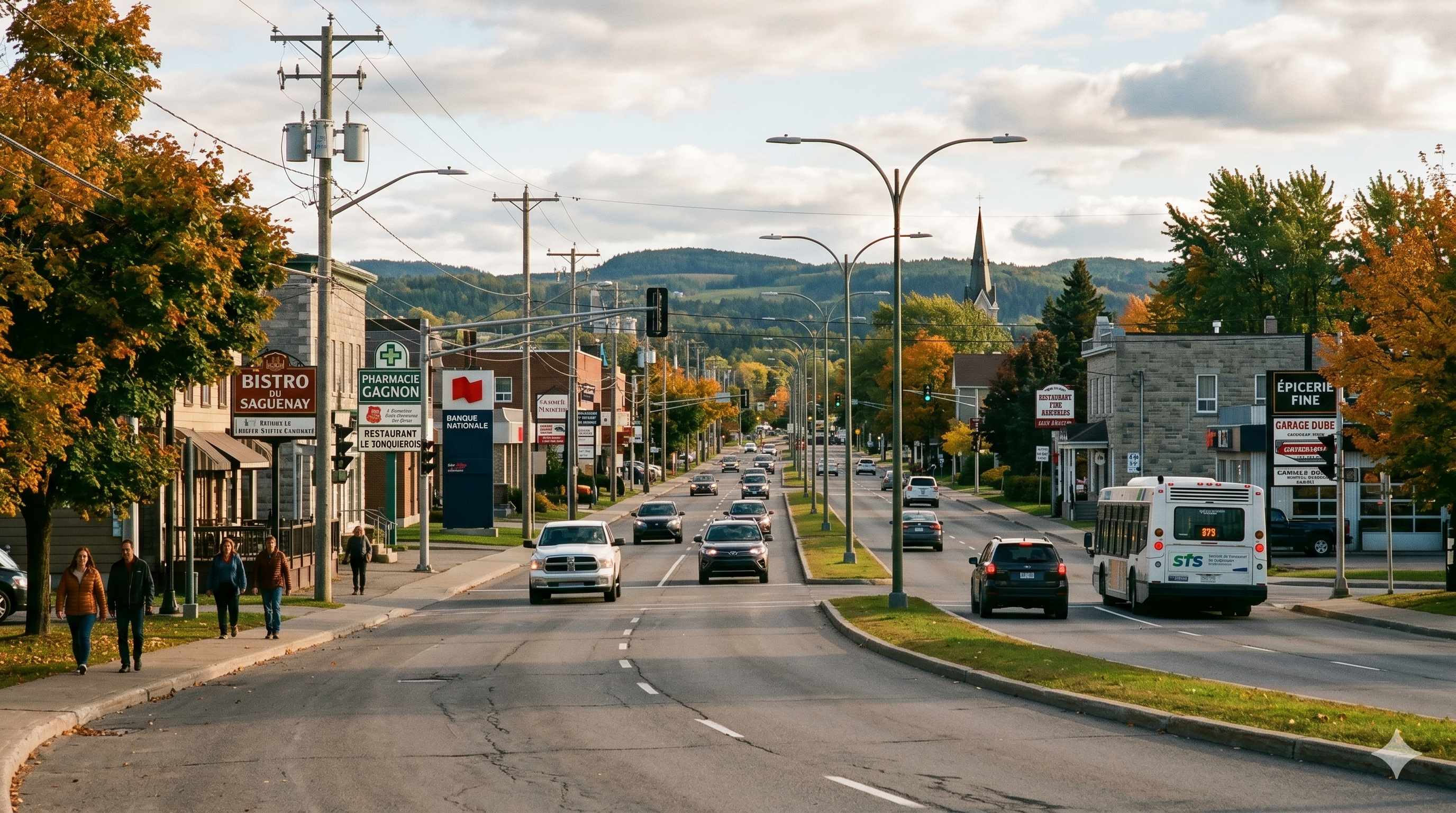
- Boulevard du Saguenay — shops, banks, services
- Place du Royaume — the region's largest mall
4. An industrial town
Jonquière lives largely from industry:
- Rio Tinto operates Arvida and Vaudreuil — two of the largest smelters
- Production: hundreds of thousands of tonnes of aluminum per year
The local industrial culture translates into:
- Strong union culture (Métallos, others)
- High industrial wages
- Strong working-class identity
Many families count a parent or grandparent who worked at Alcan or Rio Tinto.
For a newcomer: understanding this culture matters — the smelter isn't just an employer, it's the city's history.
5. Community life and newcomer welcome
Jonquière is francophone at over 95% — prepare for daily life almost entirely in French.
Fortunately, the community is generally welcoming to newcomers — especially those who make the effort to speak French.
Welcome and meeting points:
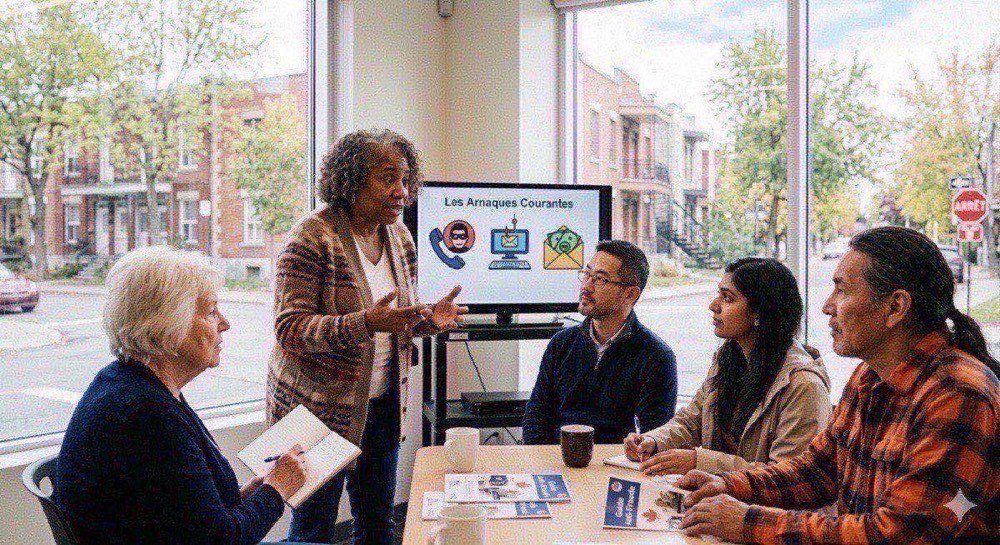
- Centre d'intégration au marché de l'emploi (CIME): free support — job-search, cultural workshops, pairing
- Parishes, sports clubs, volunteer associations: excellent meeting points
- Jonquière municipal library: French conversation workshops, free membership
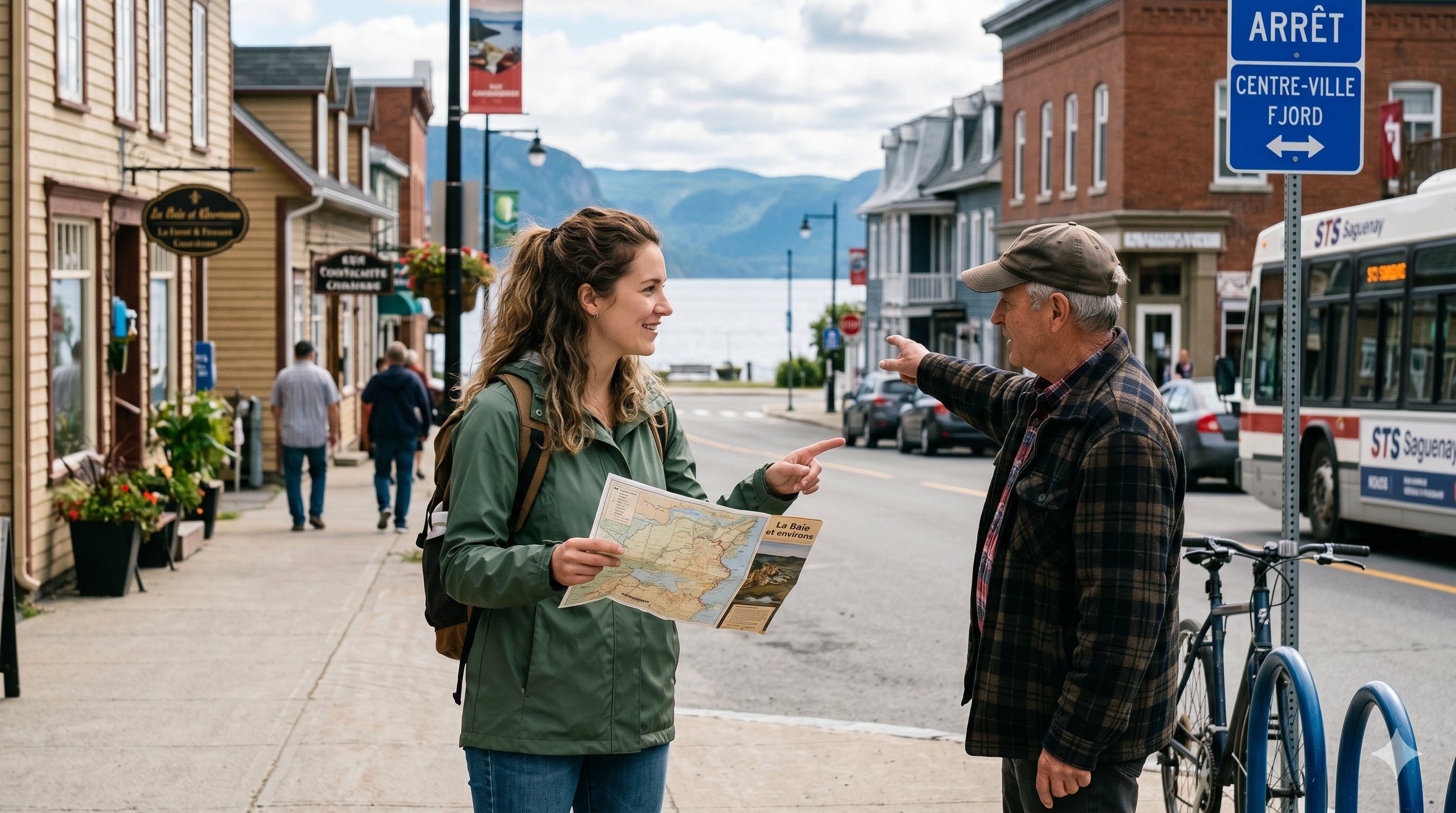
To meet locals:
- Downtown in the evening
- Rue Saint-Dominique on Saturday mornings
- Community events announced via Ville de Saguenay
6. Frequently asked questions
The most common questions on settling in Jonquière: commute to Rio Tinto plants, public schools for children, and affordable housing.
How long is the commute to Rio Tinto plants from Jonquière?
5-15 minutes by car from most Jonquière sectors.
Are Jonquière's public schools good?
Yes — schools at the Centre de services scolaire De La Jonquière consistently rank above provincial average.
- Arvida and Kénogami: particularly well-regarded schools — small classes, mature trees, walkable distance
- Classes d'accueil for immigrant children available in several schools
- Cégep de Jonquière for post-secondary
Free registration for permanent residents and naturalized citizens.
School transportation by yellow bus included for children over 1.6 km from school.
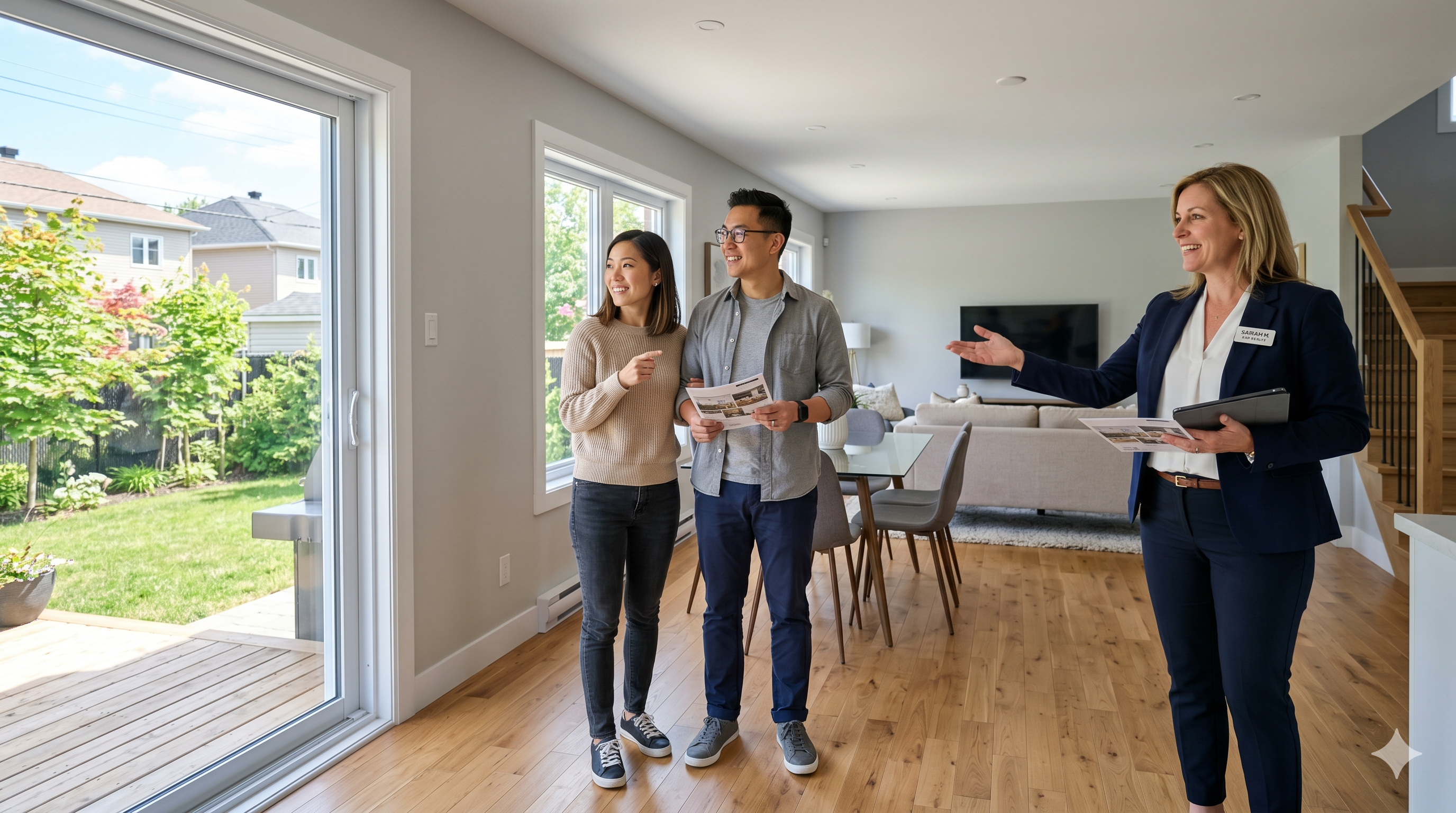
What's the typical housing cost in Jonquière?
Historically one of the more affordable markets in Saguenay, but the cushion has shrunk — the vacancy rate fell to 1.6% in 2025, a tight market like the rest of the city.
Average prices (CMHC, fall 2025):
- 2-bedroom rental (4½): ~$985/month (up 12% year over year)
- 3-bedroom rental (5½): ~$1,054/month (up 7%)
- Single-family home (purchase): $200,000-$350,000 (excluding Arvida heritage homes which reach $400,000+)
- Electricity (winter heating): $150-$250/month for a well-insulated unit
Total cost (rent + heating) still lower than Montréal, but don't expect to have your pick of apartments the way a 4-6% vacancy rate would suggest — that figure is outdated.
7. See also
To go further once you're settled in Jonquière:
- Read finding housing in Jonquière to compare Arvida, Kénogami and downtown.
- Discover Cégep de Jonquière famous for its ATM program in journalism and radio.
- Prepare your career with working at Rio Tinto in Jonquière — the region's largest private employer.
- Discover parks and leisure in Jonquière for the Parc de la Rivière-aux-Sables and outdoor activities.
8. Official sources
Author's Note: Excellent choice for those who work in industry or study at Cégep de Jonquière.