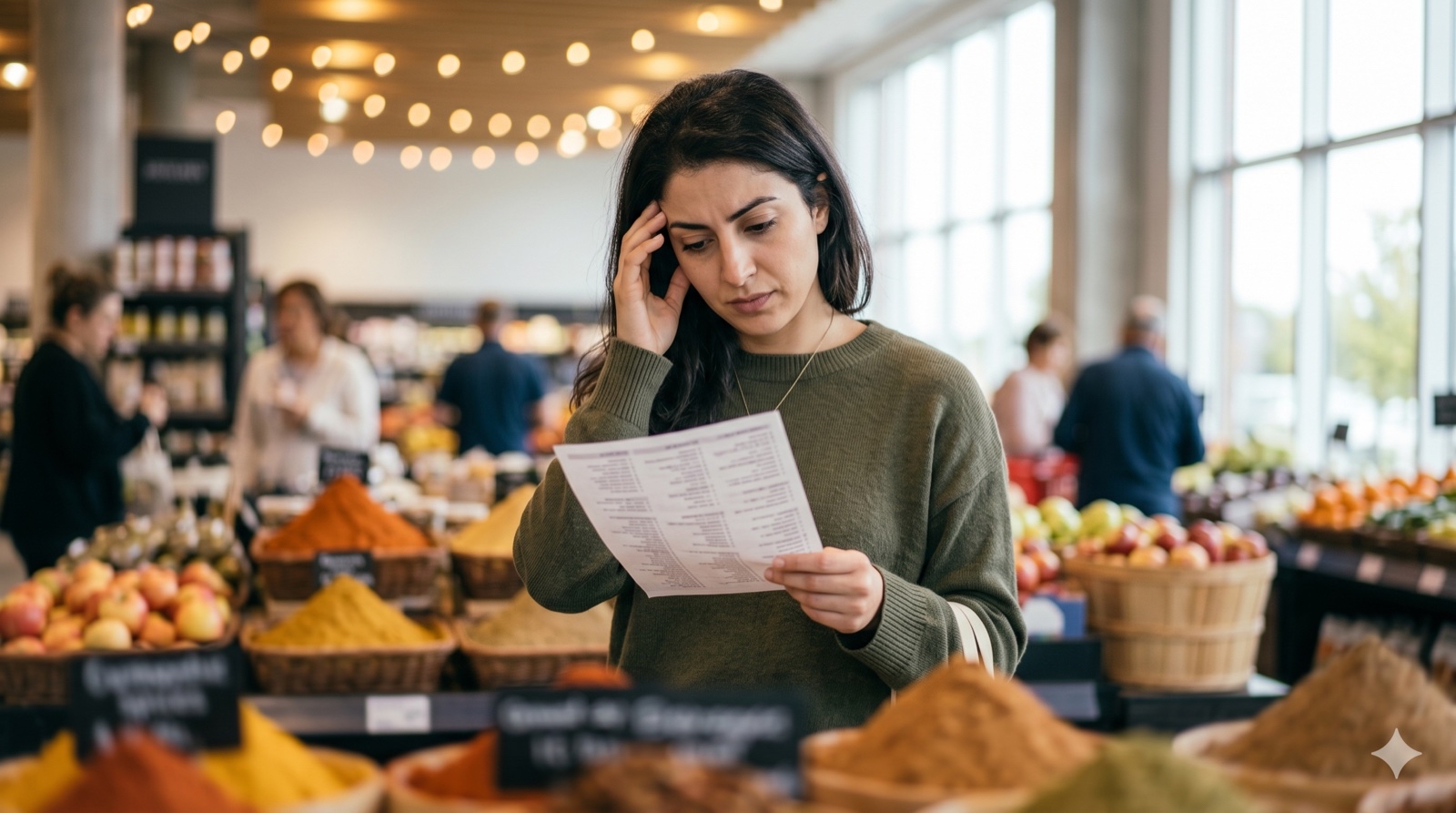
Montréal est une des villes les plus diversifiées alimentairement d'Amérique du Nord.
1. Montréal — one of the most food-diverse cities in North America
Montréal is extraordinarily food-diverse. Thanks to successive waves of immigration, you can find ingredients from virtually every country in the world — Ethiopian spices, rare Asian vegetables, Latin, African, Middle Eastern and Caribbean products.
Key neighbourhoods for international food:
- Côte-des-Neiges — Montréal's most cosmopolitan neighbourhood; extraordinary international food selection: African, Indian, Caribbean, Middle Eastern and more
- Parc-Extension — known for Asian and South Asian grocery stores
- Boulevard Saint-Laurent and surroundings — grocery stores from many origins
- Marché Jean-Talon (Mile-End) — Montréal's largest outdoor public market, open almost year-round; vendors with fruits and vegetables from all origins
2. By cuisine — where to find your ingredients
Practical guide by cuisine type:
| Cuisine | Where to find in Montréal |
|---|---|
| African / Maghrebi | Côte-des-Neiges (main hub); stores import products from the Maghreb, Sub-Saharan Africa and the Caribbean |
| Asian (Chinese, Vietnamese, Korean, Thai) | Montréal Chinatown (Rue de la Gauchetière); Kim Phat chain (multiple locations); Parc-Extension |
| South Asian (Indian, Sri Lankan, Bangladeshi) | Parc-Extension; Côte-des-Neiges |
| Middle Eastern (Lebanese, Syrian, Iranian, Turkish) | Côte-des-Neiges; Rue Jean-Talon Ouest |
| Latino / Caribbean (Mexican, Colombian, Brazilian, Haitian) | Boulevard Jean-Talon Est; Boulevard Saint-Laurent |
| All origins combined | Marché Jean-Talon (fresh produce, seasonal); supermarkets in ethnic neighbourhoods |
3. Ordering online — for what's not available locally
For very specific products not available in Montréal specialty stores:
- Amazon Canada: delivers many non-perishable food products — spices, dry condiments, pasta, canned sauces
- Specialty online grocery stores: international products with delivery to Quebec
- Community networks: Facebook groups in your nationality community often have informal networks where someone traveling to your home country can bring back specific products on request — a very common informal practice among immigrant communities
4. Frequently asked questions
Answers to the most common questions about finding home-country groceries in Quebec.
Where can I find halal or kosher products in Montréal?
Halal products are widely available in Montréal. The Côte-des-Neiges and Parc-Extension neighbourhoods have many butchers and grocery stores with certified halal meat and products. Many Middle Eastern and African stores also carry halal items. Kosher products are found primarily in the Côte-des-Neiges and Outremont neighbourhoods, where there is a significant Jewish community. Some major supermarkets also have dedicated kosher sections.
Are ethnic grocery stores more expensive than regular supermarkets?
Often the opposite is true. Ethnic grocery stores tend to be cheaper than major chains for the products they specialize in — spices sold by weight are often much less expensive than pre-packaged supermarket versions, and certain vegetables, legumes, and condiments are more competitively priced because they buy in volume directly from specialized importers. The main exception: if a product is rare or requires special import, it can cost more. For everyday staples from your home cuisine, specialty stores are frequently the better deal.
I live outside Montréal — how do I find my ingredients?
Outside Montréal, options vary by city. Québec City, Gatineau and Laval have ethnic grocery stores, though with a smaller selection than Montréal. For hard-to-find ingredients, Amazon Canada delivers many non-perishable products (spices, condiments, sauces, canned goods) across Quebec. Specialized online grocery stores also offer delivery of international products. Finally, community networks — Facebook groups for your nationality in your region — are a valuable resource: other members often know local suppliers or organize group orders.
Do Quebec's major grocery chains have international aisles?
Yes, most large supermarkets now have an international section, though its size and quality varies greatly by location. Stores in multicultural neighbourhoods — particularly in Montréal — tend to have more developed international sections than stores in less diverse areas. You can find basic products there: soy sauce, coconut milk, common Asian noodles, some Middle Eastern condiments. However, for more specific products — a particular regional spice blend, a specific brand from your home country, fresh ethnic vegetables — specialized grocery stores in ethnic neighbourhoods remain the best choice.
5. See also
These related guides may be useful:
- Online grocery delivery in Quebec — comparing online grocery delivery services.
- Food delivery in Quebec — for evenings when you don't cook.
- Budget for immigrant families — planning your food budget.
6. Official sources
- For Marché Jean-Talon and other Montréal public markets: marchespublics-mtl.com
- For finding neighbourhood grocery stores: Google Maps is the best tool — search the cuisine type or product followed by Montréal
Author's Note: one of the most delightful experiences of immigration to Montréal is discovering you can sometimes find ingredients you couldn't even easily find in your home country. Montréal is a global food crossroads — and neighbourhoods like Côte-des-Neiges or Parc-Extension are genuine gastronomic journeys. A walk through these neighbourhoods with a shopping bag can turn a simple grocery run into a cultural exploration.