What's changing. The federal government's new Controlled Substances Regulations came into force on October 1, 2026. For travellers, they allow you to bring up to a 90-day supply of a medication that contains a controlled substance, based on the usual daily dose. The regulatory text notes this is longer than the 30-day limit that applied until then to narcotics and controlled drugs. The rule is federal: it applies to anyone entering or leaving Canada, Quebec included.
Which medications. Not all prescription drugs: only those containing a controlled substance. Health Canada gives common examples: amphetamines, anabolic steroids such as testosterone, clonazepam, lorazepam, methadone, methylphenidate, morphine, oxycodone. If in doubt, ask your pharmacist.
The conditions. The medication must be prescribed by a physician, dentist or nurse practitioner. It must stay in the container you got from a health care provider, with a label showing your name, the prescriber's name, the drug's name, the daily dose, the dosage form, quantity and strength, and the drug identification number (DIN), if there is one. It must be for you, for someone you're responsible for who is travelling with you, or for an animal travelling with you.
At the border. You must declare the medication to customs when you arrive in Canada. You can't have it mailed to you in Canada. A doctor's note isn't required, but you can bring one. The requirements are the same whether you're entering or leaving. Health Canada says that if your stay in Canada will last more than 90 days, you should email its Exemptions Section (exemption@hc-sc.gc.ca).
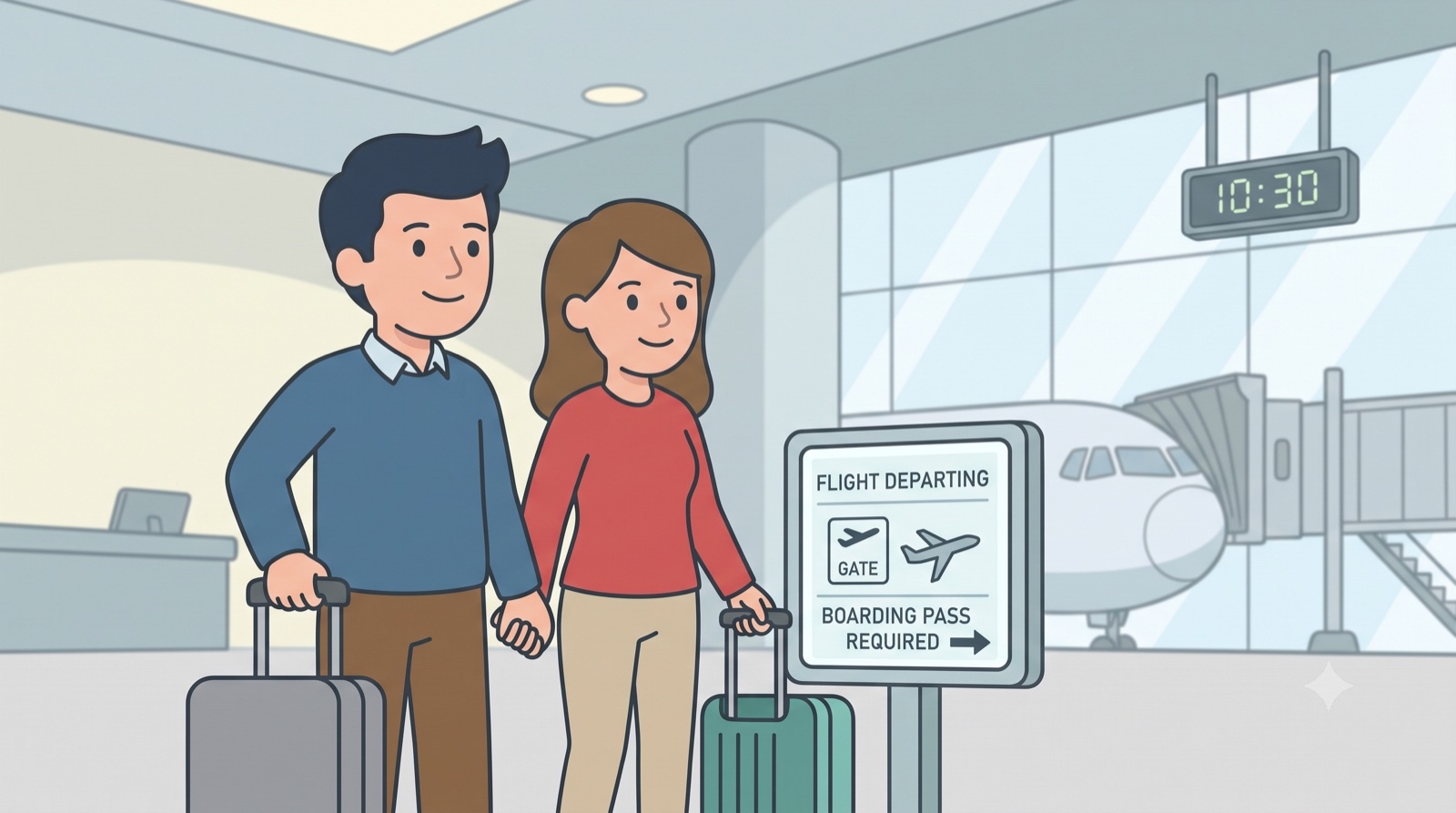
And in the country you're visiting. A medication that's legal in Canada may be banned elsewhere. Before you leave, Health Canada recommends contacting the representatives in Canada of the country you're visiting: they can confirm whether your medication is allowed there and what rules apply.
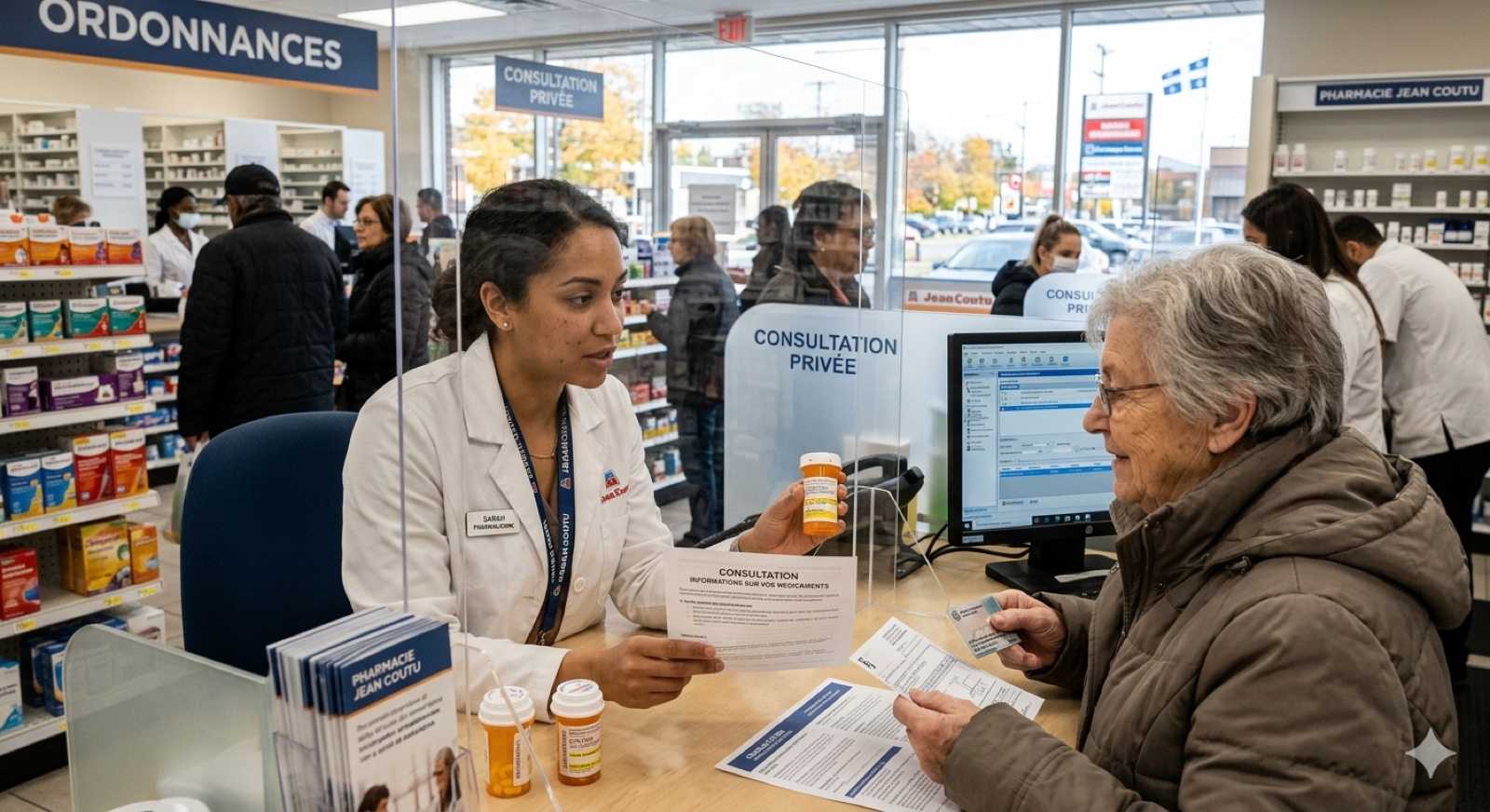
Good to know for newcomers. If you're going back to your home country for the holidays with this kind of treatment, keep the medication in its pharmacy container with the label, and check the rules of the country you're going to first. To understand prescriptions and the pharmacist's role in Quebec, see our guide to pharmacies and prescription drugs.