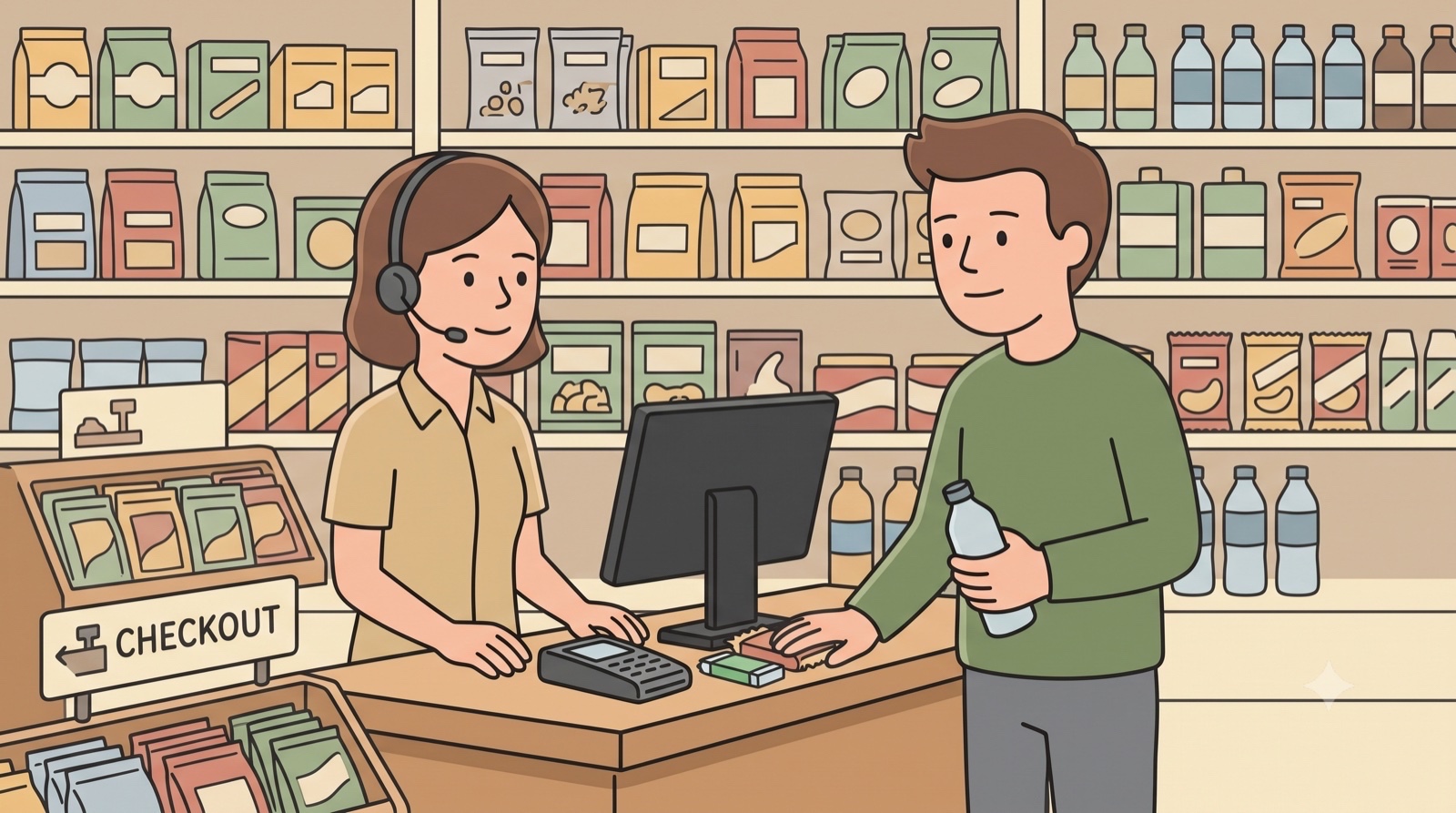
On nearly every street corner in Quebec, there's a "dép." This little neighbourhood shop is so much a part of the scenery that it's easy to forget how unusual it is — and how much its name tells a story.
The word. "Dépanneur" comes from the French verb dépanner, meaning "to help someone out of a jam." The store lives up to its name: it's where you dash when you're out of milk at 10 p.m. or forgot the bread. The word is documented as a Canadianism in the Dictionary of Canadianisms on Historical Principles (DCHP-3) entry for depanneur.
The origin. The term spread out of the Montreal area in the early 1970s, when a handful of small neighbourhood grocers began using it. It was eventually recognized by the Office québécois de la langue française in French in 1983 — and, unusually, in English in 2015 — a sign of how thoroughly it settled into both languages.
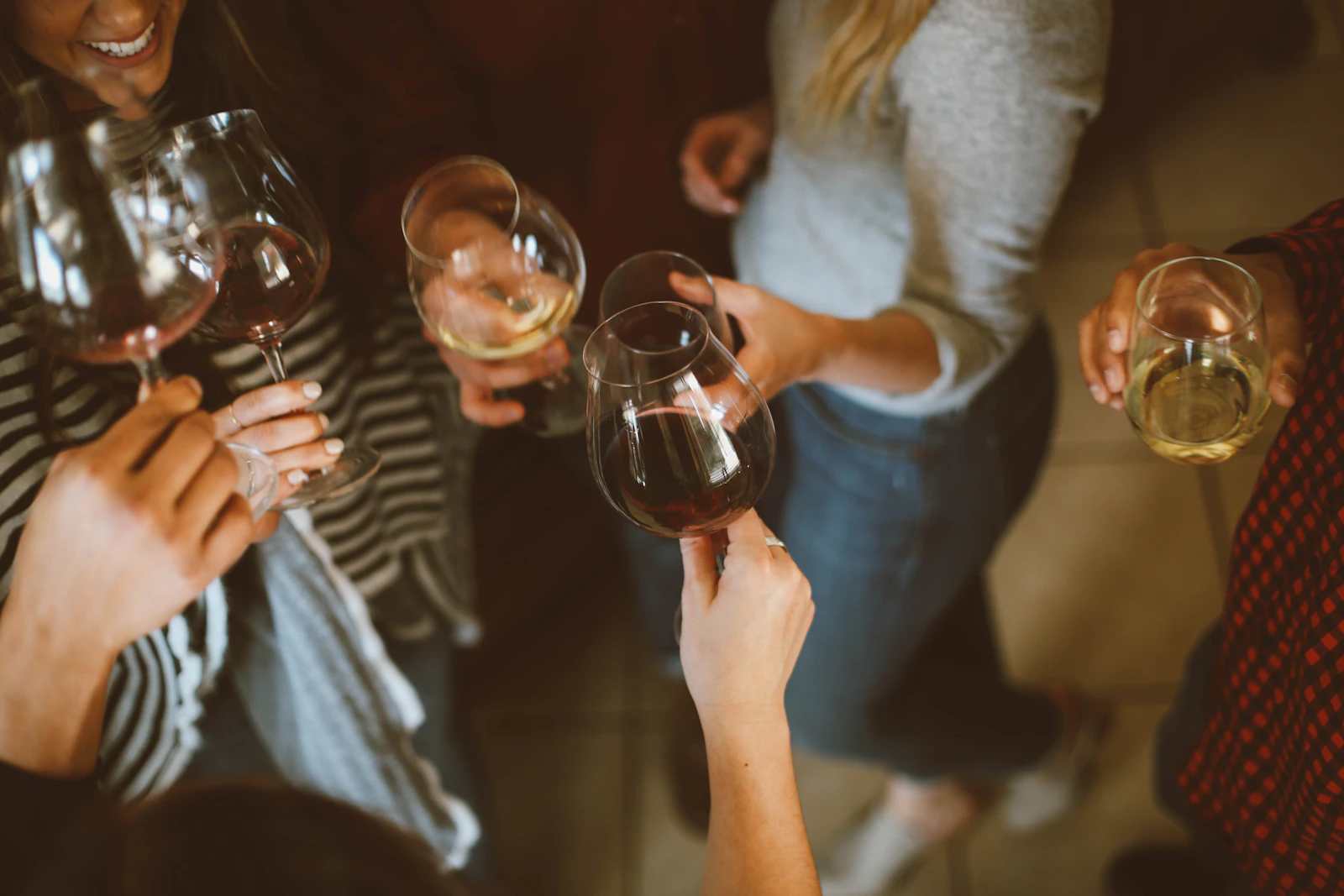
Beer and wine. What really sets the dépanneur apart is that you can buy beer and wine there, often late at night and on weekends, when the big supermarkets are closed. It was precisely a law letting small merchants open outside regular hours that gave birth to the dépanneur as we know it.
More than a store. The dépanneur is also a neighbourhood landmark: lottery tickets, transit passes, ice cream cones in summer, and often an owner who ends up knowing everyone. "Vin de dépanneur" ("dépanneur wine") even became shorthand for a cheap, no-frills bottle.
Good to know for newcomers. Just say "the dép" like everyone else. It's perfect for a last-minute purchase, but prices run higher than at the grocery store — use it to get out of a jam, not for your weekly shop. For more everyday customs, see our guide to cultural codes and politeness in Quebec, and use the counter as a chance to practise your French.