1. The public library: a place to rediscover
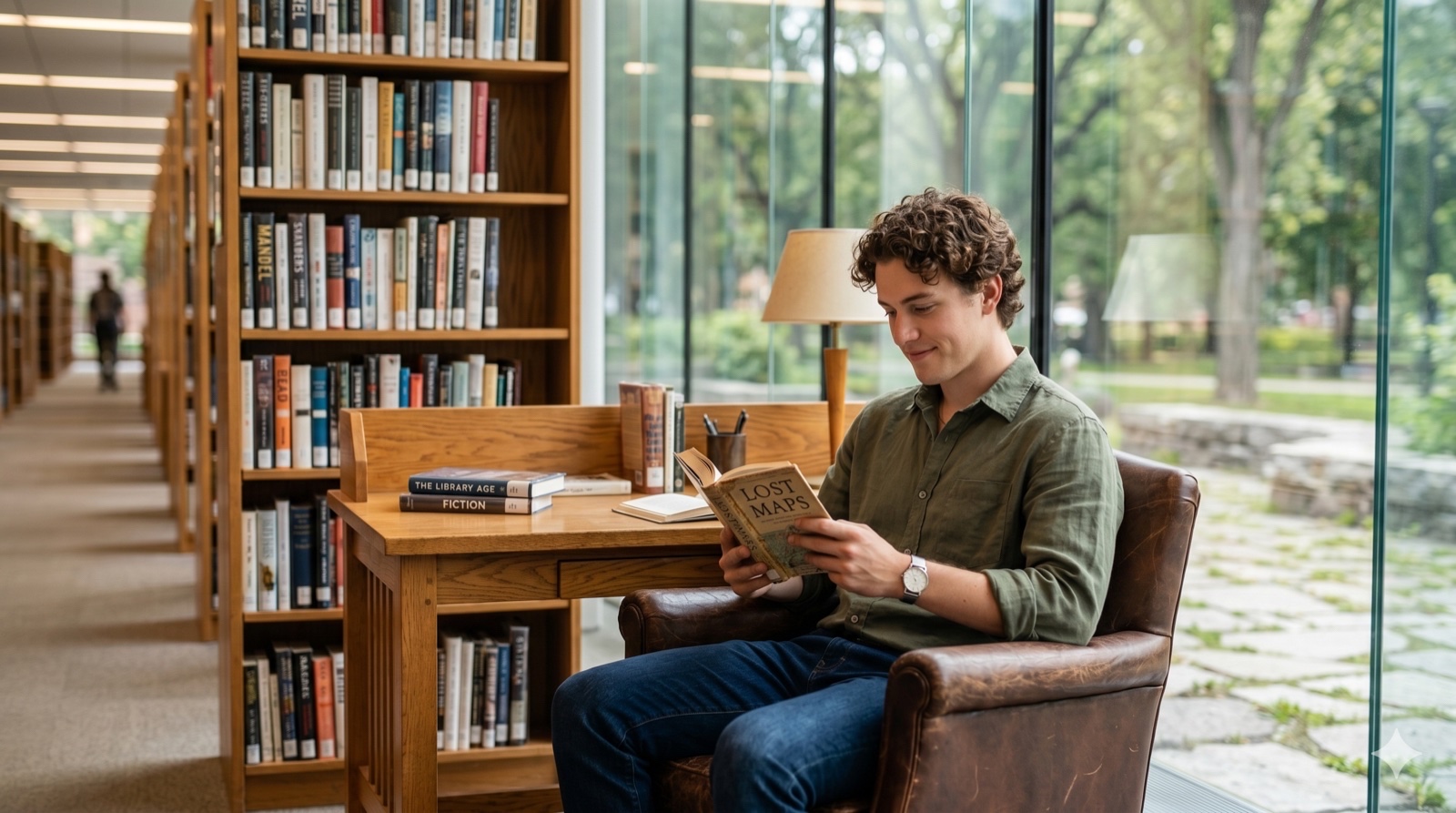
In many countries, a library is a quiet place to borrow books. In Quebec, it's much more than that. The public library is a living space open to all residents — free, bilingual, heated in winter — offering books, yes, but also films, music, board games, children's activities, computer classes, workspaces and sometimes even recording studios or 3D printers. Registration is free with a piece of ID and proof of residence in the municipality.
2. Signing up: how it works
Registration at the public library is simple and free for residents. Just show up at the welcome desk with a piece of ID — passport, permanent resident card, driver's licence — and proof of your Quebec address: a lease, a recent bill or an official letter will do. You leave with a library card that gives access to all services, including online borrowing.
In most cities, the card is valid at all branches within the municipality. In Montréal, the Bibliothèque et Archives nationales du Québec (BAnQ) — the Grande Bibliothèque — is accessible with any Quebec municipal library card.
Your action list
0 of 4 done
3. What you can do at the library
Quebec libraries offer far more than books. Here's what you can find:
- Physical and digital collections: books in French and English, comics, magazines, DVDs, music and audiobooks.
- Remote digital resources: with your card, access from home — world newspapers, encyclopaedia databases, language courses and reading platforms.
- Work and study spaces: free Wi-Fi, quiet tables, bookable group rooms.
- Activities for children and families: storytime, reading clubs, creative workshops — all free.
- Adult courses and workshops: computer basics, job-search help, writing workshops.
- Specialized equipment (select branches): 3D printers, podcast studios, creative maker spaces.
4. The library as an integration tool
For newcomers, the library is one of the most valuable places in the city — and one of the least visited by those who don't yet know it. It's a quality French-language space to practise French without pressure (librarians are used to helping learners). It's a place to meet neighbours and families from your area. It's a documentary resource to understand Quebec's administrative procedures. And for children, it's often the first French-language cultural space they frequent regularly — youth programs are designed to build attachment to reading in French.
5. See also
These related guides may be useful:
- Free homework help in Quebec — another free community service for families.
- Kids' sports and activities: costs and help — finding affordable recreation.
- Free French classes — learning French through provincial resources.
- Quebec school system — understanding school and welcome classes.
6. Official sources
- To find your public library, visit your city's website and look for the libraries or culture section
- For the Grande Bibliothèque and provincial digital resources: BAnQ — banq.qc.ca
- For Montréal libraries: bibliomontreal.com
Author's Note: if there's one thing to do in your first week, it's signing up at the library. Five minutes, one piece of ID, and you gain access to thousands of free resources — in French, in English and in many other languages. It's one of the most underused public services by newcomers, and one of the most valuable.