Aller au contenu

Quirky Quebec

Quebec's July 1 'Moving Day': why the whole province moves at once

Leases ending June 30, no trucks to be found, boxes on every sidewalk: the story behind the most chaotic day of the year.

Vieauqc TeamJuly 22, 2026
Previous
Listen
Next
Listen to the articleParagraph 1 / 7
Speed

On July 1, while the rest of Canada celebrates Canada Day, a big chunk of Quebec spends the day hauling couches down staircases. It's no accident: it's a tradition unlike anywhere else in North America, and if you live here, you'll eventually go through it yourself.

The basic rule. The vast majority of residential leases end on June 30 and start again on July 1. Instead of spreading out over the year, moves pile onto the same weekend — a distinctly Québécois phenomenon detailed in The Canadian Encyclopedia's article on Quebec Moving Day.

Why July 1. It wasn't always this way. For a long time, leases traditionally ended around May 1. In 1974, a change in the law set lease-end dates to June 30 — partly to avoid uprooting children in the middle of the school year. The date has stuck out of habit far more than obligation.

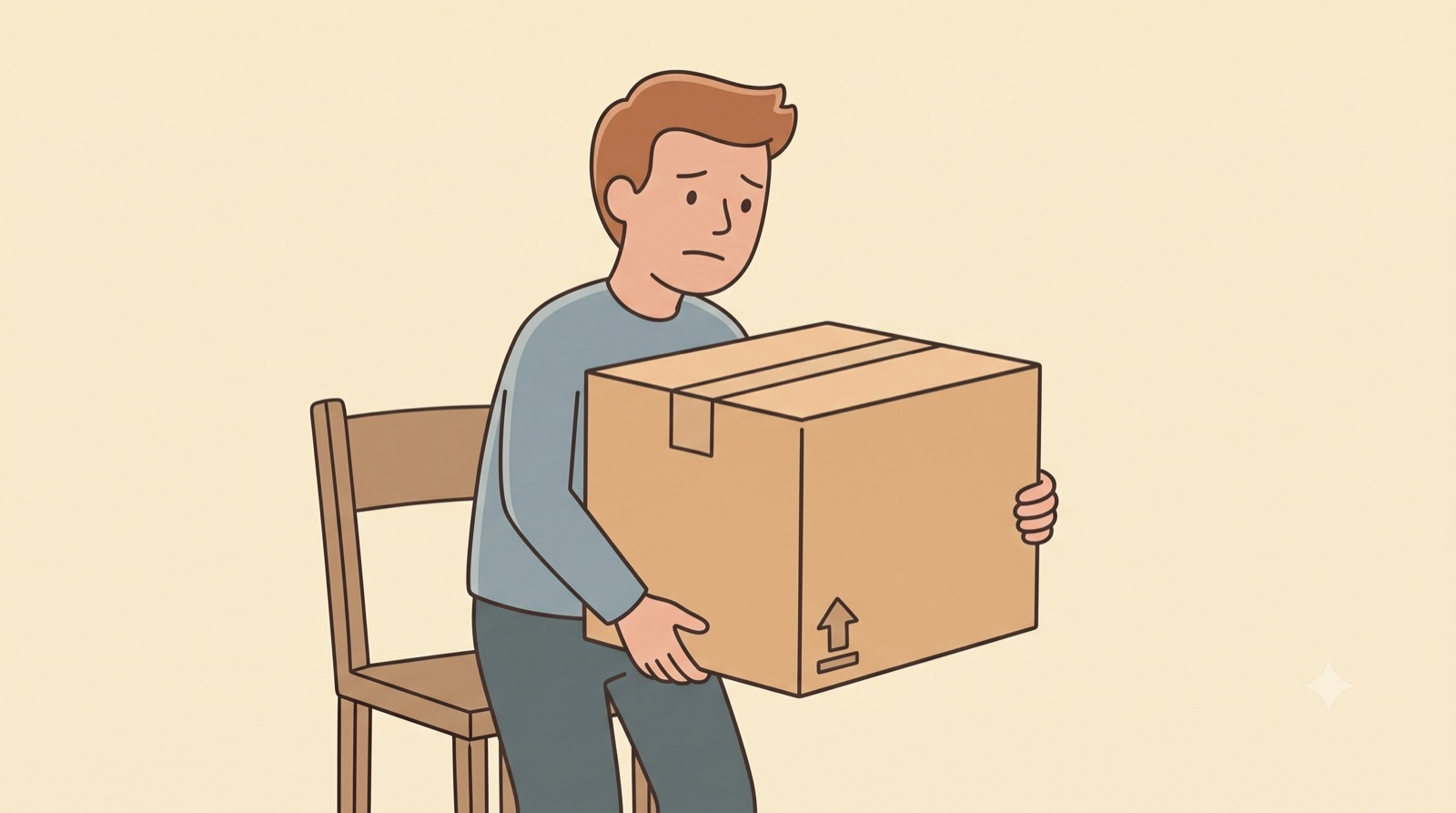
The result. When hundreds of thousands of households move in the same week (roughly 200,000 to 250,000 moves across the province), rental trucks, professional movers, and even cardboard boxes become nearly impossible to find. Prices climb, and you have to book well in advance.

It's no longer mandatory. Since 1974, July 1 has not been a legal requirement. You're free to negotiate a different lease-end date with your landlord, and moving outside the crush is often cheaper and far less stressful.

Good to know for newcomers. If your first lease starts July 1, book your truck and movers weeks ahead, and expect to see furniture left out on sidewalks (sometimes real finds!). Before you sign, read our guide to signing a lease in Quebec and our guide to your rights as a tenant; in Montreal, our July 1 moving guide gets straight to the point.

Go deeper

Our full guides on this topic

More in Quirky Quebec

Our other articles in this category

Vieauqc TeamYesterday

Quirky Quebec

Dépanneur culture: the little store that gets all of Quebec out of a jam

Open late, stocked with beer, milk and a loaf of bread at midnight. Where did this very Quebec institution — and its odd name — come from?

On nearly every street corner in Quebec, there's a "dép." This little neighbourhood shop is so much a part of the scenery that it's easy to forget how unusual it is — and how much its name tells a story. The word. "Dépanneur" comes from the French verb dépanner, meaning "to help someone out of a jam." The store lives up to its name: it's where you dash when you're out of milk at 10 p.m. or forgot the bread. The word is documented as a Canadianism in the Dictionary of Canadianisms on Historical Principles (DCHP-3) entry for depanneur. The origin. The term spread out of the Montreal area in the early 1970s, when a handful of small neighbourhood grocers began using it. It was eventually recognized by the Office québécois de la langue française in French in 1983 — and, unusually, in English in 2015 — a sign of how thoroughly it settled into both languages. Beer and wine. What really sets the dépanneur apart is that you can buy beer and wine there, often late at night and on weekends,…

Vieauqc TeamYesterday

Quirky Quebec

The Quebec expressions nobody understands at first

'Wanna go magasiner for a char?' A friendly little glossary to decode everyday Quebec French without panicking.

You already speak French, you arrive in Quebec — and yet some sentences leave you baffled. Relax: it's completely normal, it happens to everyone, and once you have the decoder ring, it's actually fun. Here are a few words that trip up almost every newcomer. Magasiner. Here, you don't "faire du shopping" — you magasine. The verb means to visit stores to compare or buy, and it's the preferred form in Quebec, documented in the Office québécois de la langue française's terminology database (French only). Un char. A "char" isn't a tank: it simply means a car. The word comes from an old French root (the same as charrue, "plough," and chariot), not from the English "car" as you might assume — a distinctly Quebec usage documented by the province's language authority. Présentement. Where elsewhere you'd say "at the moment" or "currently," Quebec prefers présentement. You'll hear it everywhere, including on hold messages over the phone. Bienvenue. The most disorienting of all: after a…

Quebec's July 1 'Moving Day': why the whole province moves at once | La Vie au Québec