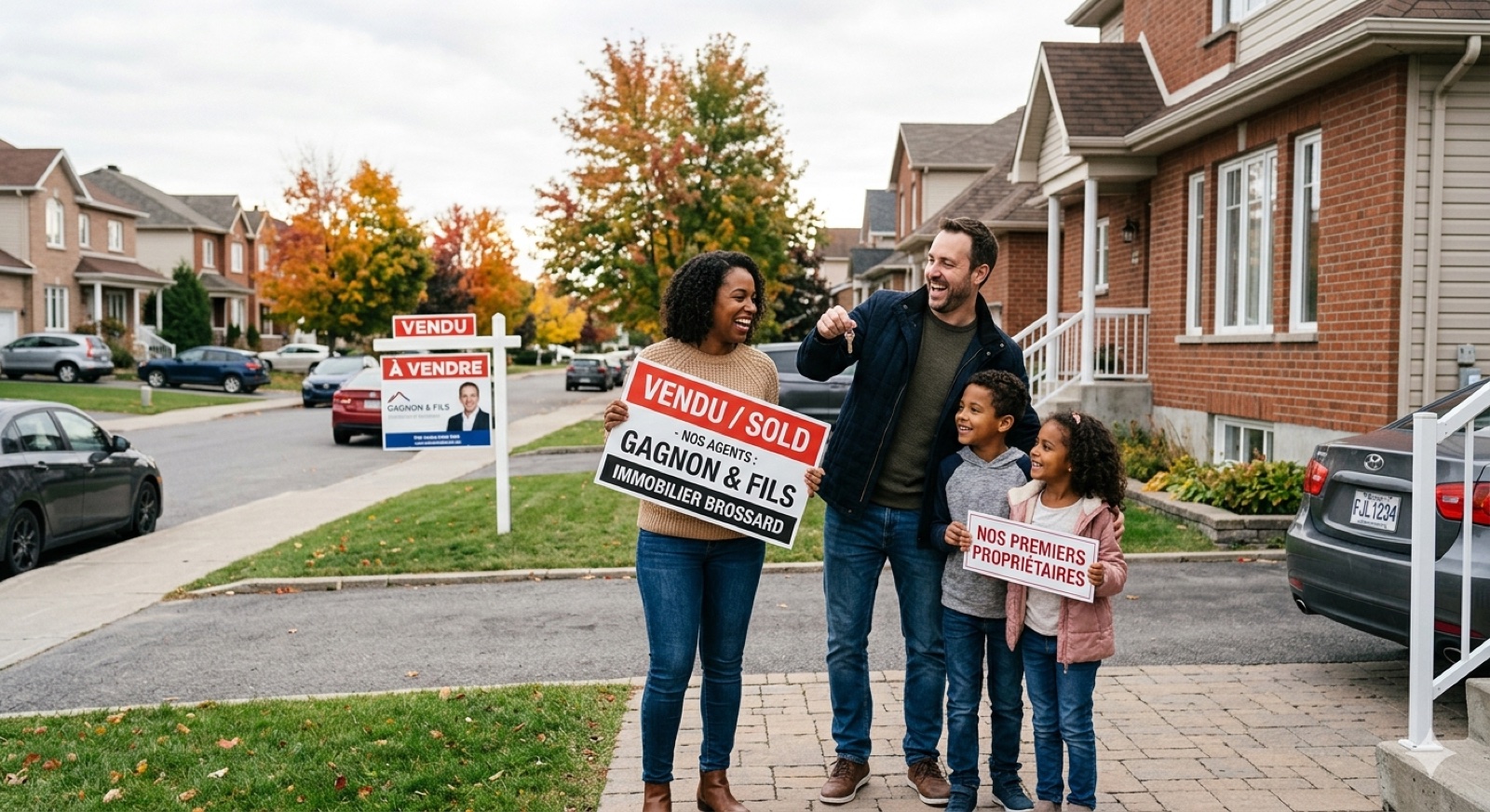
An account built for a first home. The FHSA — first home savings account (CELIAPP in French) — is a registered plan that helps you save your first down payment, according to the Canada Revenue Agency. Nearly a million Canadians have already opened one.
The double tax advantage is where it gets interesting. The FHSA combines the two best features of the other plans: like an RRSP, your contributions are tax-deductible (they lower your taxable income for the year); and like a TFSA, money withdrawn to buy a qualifying first home — contributions and growth alike — comes out entirely tax-free. It is the only account that offers both at once.
How much you can put in. You can contribute up to $8,000 per year, up to a lifetime maximum of $40,000. Unused room carries forward (up to $8,000 more the next year). Note one difference from the RRSP: the contribution deadline is December 31, not the end of February.
Newcomers can open one. This is the point often missed: to open an FHSA you must be an individual resident of Canada for tax purposes, be 18 (or the age of majority) with a Social Insurance Number (SIN), and be a first-time home buyer — meaning you have not lived in a home you owned during the current year or the previous four years, per the CRA. A temporary resident who has a SIN and is a resident for tax purposes is therefore eligible.
What if you never buy? Nothing is lost: the account must close after 15 years or at the end of the year you turn 71, but unused money can be transferred to your RRSP or RRIF, tax-free and without reducing your RRSP room. So your savings stay useful even without a purchase.
How to open one. You open an FHSA with a financial institution (bank, credit union, broker) that offers this registered plan, just as for an RRSP or TFSA. You then choose how to invest the money (savings account, GIC, funds, etc.).
Good to know for newcomers. If buying a home is part of your plans, even distant ones, opening an FHSA early starts your contribution room and shelters your down payment from tax. You do not have to put in $8,000 at once — start with what you can. For the road ahead, our guide to buying a house in Quebec explains the steps.